Every time someone criticizes the United States, a common response is, “If you hate America so much, why don’t you leave?”
The immediate response is to call anti-patriotism and disloyalty into question, and that criticism is often framed as betrayal. However, this “love it or leave it” mentality is unfair and, arguably, the true un-American rhetoric.
“(Patriotism) is something like a commitment or attachment to one’s own country,” assistant philosophy professor Daniel Drucker said.
A commitment to one’s country does not equate to blind praise. The problem is that many people equate criticism with a weaker devotion to something, which is simply untrue.
“I’m proud to wear the flag, … but I will be disappointed in times when we are not fair (or) not equal,” said government sophomore Julian Cruz.
If we aren’t allowed to openly debate and criticize our country’s past and present actions, we will continue to make the same mistakes. Good decision-making doesn’t come from ignoring errors.
“The only way to look after a country is to think about what that country ought to do,” Drucker said.
To address a problem, you must acknowledge that it exists.
“It’s best to keep the United States honest, … especially the people who are in power, because at the end of the day they’re representing us,” Cruz said.
Moreover, unconditional devotion is dangerous. It results in ignorance, supports erroneous systems and institutions and doesn’t allow them to better themselves. Refusing to question your country’s actions isn’t patriotism. It’s a herd mentality.
“I love this country, but I also believe in calling out its errors … if you don’t address a problem, it’s not going to get fixed.,” Cruz said.
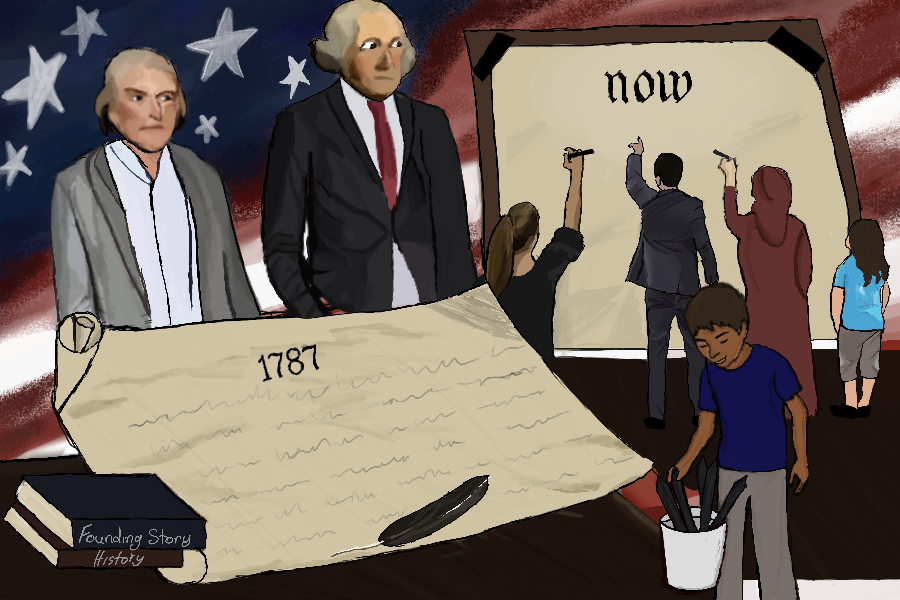
Blind loyalty isn’t an American ideal. Actually, it’s quite the opposite. This country has a long-standing historical precedent of protesting against officials, institutions and governments’ wrongful actions. Revolution is how the U.S. was formed and continued to grow into the superpower it is today.
“We became the United States … from calling out what was wrong,” Cruz said.
At nearly every point in our history, people have risen up against those who silenced them, and our country is better for it.
Americans pride themselves on living in a democracy, but democracy only works when people are willing to question power. Protest, public debate and criticism are not signs of a country’s weakness, but rather of its strength. It is evidence that its citizens care about its change and progression and that it’s an institution strong enough to adapt and respond to new challenges as they arise, which they always will.
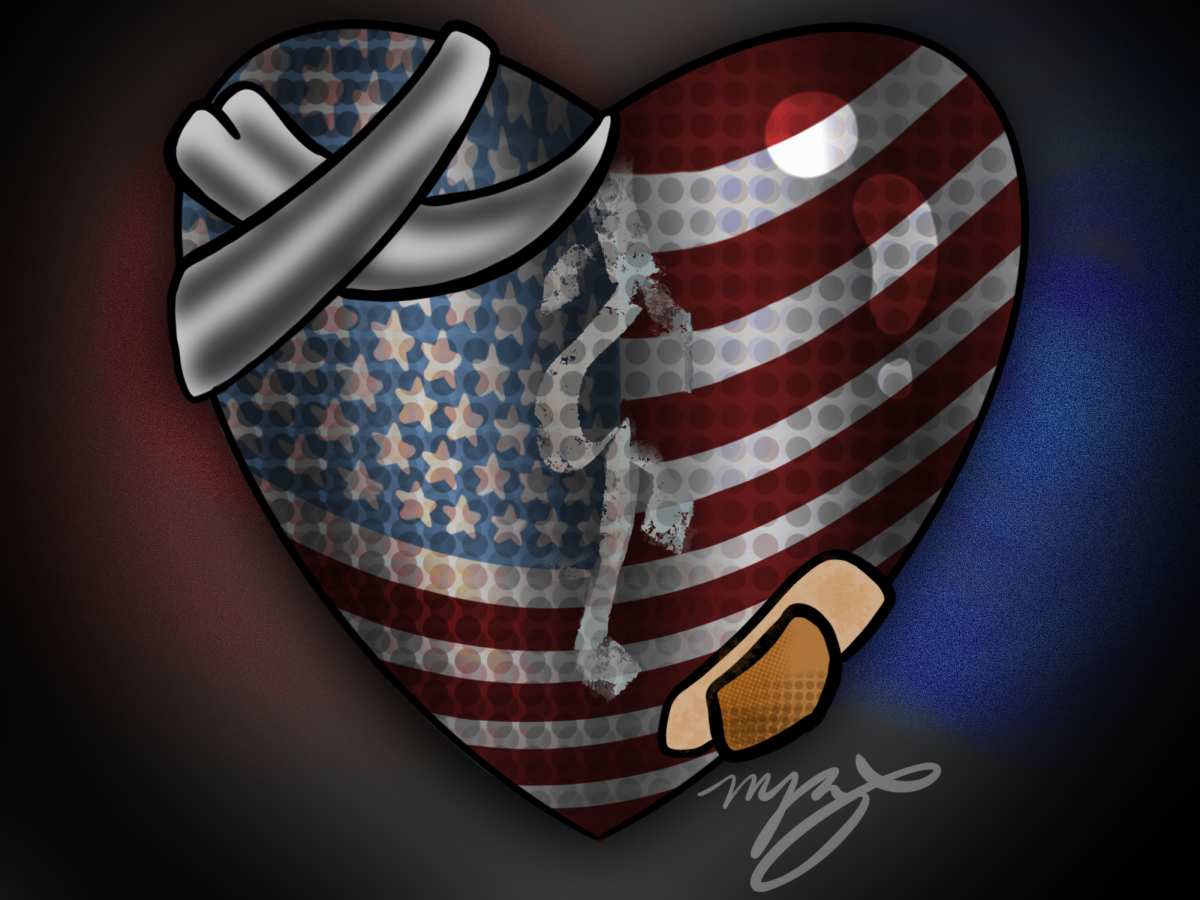
Patriotism doesn’t mean blindly supporting your country’s every action but rather encouraging it to be better.
“If we do know something is wrong, I feel like it is our duty to call it out,” Cruz said.
While too much criticism can erode a nation’s pride, constructive criticism is something different, and pride that cannot withstand scrutiny is a fatal flaw.
So, when people criticize America, we shouldn’t retaliate by calling them disloyal, but rather recognize the merit of their argument and consider how problems can be solved rather than ignored. A country that creates a culture where mistakes go unchallenged isn’t a strong one.
The next time someone tries to shut down healthy criticism by saying it’s traitorous, it may be worth remembering that people who want America to improve are often those who love it most.
Thakkar is a government and economics sophomore from Winter Park, Florida.