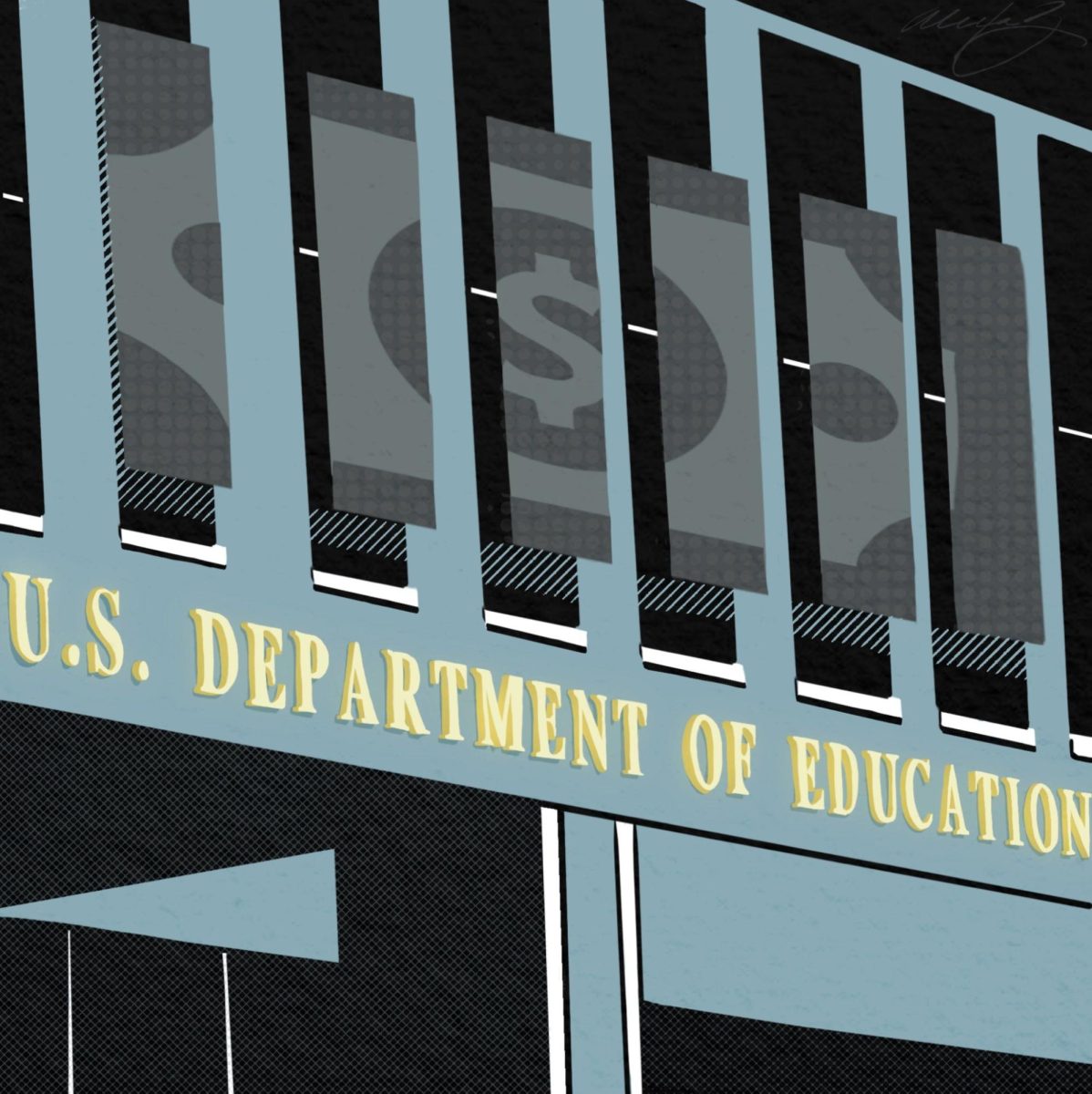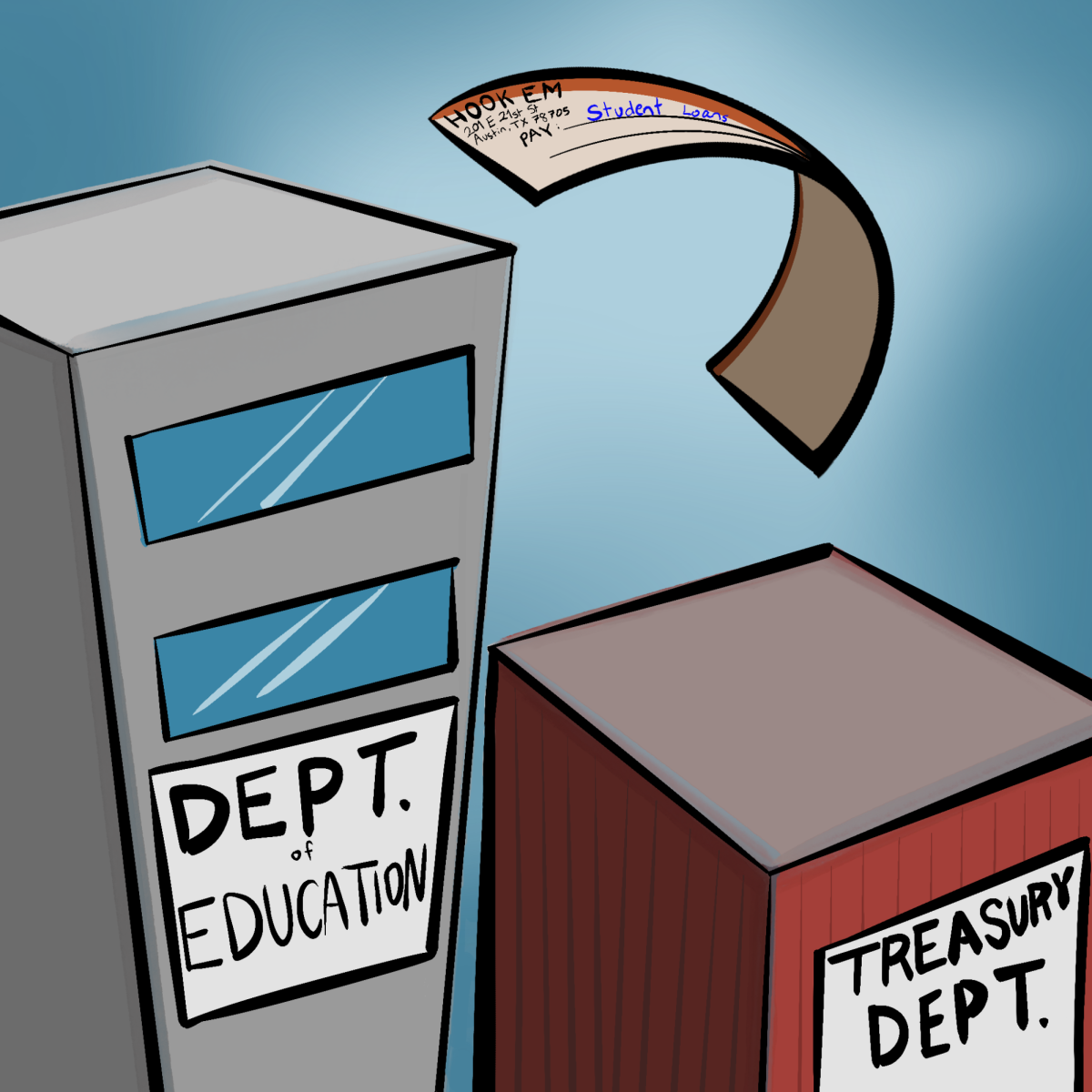
The U.S. Department of Education will transfer responsibility for collecting defaulted federal student loan debt to the U.S. Department of the Treasury, according to a March 19 Department of Education news release.
The creation of the Federal Student Assistance Partnership, the agreement that tasks the Treasury Department with collecting funds from students who failed to repay their student loan debt, was created to mitigate the cost of student loan programs from the Biden administration. It also aims to encourage the return of defaulted borrowers to repayment, according to the news release.
The federal student aid portfolio, or the amount of outstanding federal student loans, totals nearly $1.7 trillion nationwide, with almost 25% of borrowers in default, according to the news release.
“Americans know that the Department of Education has failed to effectively manage and deliver these critical programs,” U.S. Secretary of Education Linda McMahon wrote in the news release. “By leveraging Treasury’s world-renowned expertise in finance and economic policy, we are confident that American students, borrowers, and taxpayers will finally have functioning programs after decades of mismanagement.”
However, groups such as the Legal Defense Fund, a legal organization that fights for racial justice, and the National Association of Student Financial Aid Administrators, a nonprofit that advocates for student success, raised concerns about the move.
“Making a transition of this magnitude would require significant time and careful planning to avoid potential disruption to borrowers — an undertaking that could be challenging given the steep staff reductions that have taken place across the federal government,” Melanie Storey, President of the National Association of Student Financial Aid Administrators, wrote in a news release.
Aissa Bañez, the policy director at Protect Borrowers, an organization that helps borrowers avoid and exit student loan debt, said the change will further complicate an already frustrating borrowing process.
“The idea that this administration is going to move … this program to a completely different agency creates the opportunity for even more disruption and confusion and chaos,” Bañez said.
Bañez said the Trump administration’s switch does acknowledge the increasing amount of students defaulting on their loans, but it does not actually implement a true solution.
“Instead of actually working to help borrowers, they’re moving things around, and that’s only going to confuse borrowers, students and families,” Bañez said.
Students should stay up to date on changes to the Saving on a Valuable Education Plan, an income-driven repayment plan from the Biden Administration, Bañez said. The Trump administration issued guidance to borrowers on March 27 to exit the “illegal” SAVE plan and enroll in a different repayment plan within the next 90 days.
“What’s important to note that, no matter where the student loan system is living within the federal government, borrowers have rights and protections that are guaranteed to them,” Bañez said. “(Students) need to start thinking about what their plan will be once they begin repaying their student loans.”