In politics, it’s tempting to accuse the other side of being stupid. It’s also a lazy conclusion to draw.
According to a 2018 Axios poll, both Democrats and Republicans described the opposing group as “ignorant” more frequently than “evil.” Polarization is increasingly threatening political discourse and democracy. Disparaging the intelligence of political opponents, while often rooted in genuine concern, has evolved into another way of discrediting their opinions.
There’s a stereotype, especially within the political left, that voters on the other side are ignorant, uneducated and incapable of voting for their own self-interest. When people don’t vote the way we think they should, it can make their actions and beliefs all the more confusing. However, leaving this confusion unchallenged can be a slippery slope into condescension, further polarization and undemocratic ideas about who deserves to vote.
“The idea that Americans are too dumb, they just don’t understand the genius of our policies, is a losing argument,” said Daron Shaw, a government professor specializing in public opinion and voting behavior. “Sometimes messaging does matter, and I wouldn’t deny that. On the other hand, I’m struck by how often in recent elections parties seem to think they’ve got a message problem, as opposed to a substance problem.”
Often, the individuals facing accusations of ignorance are, in reality, victims of systemic factors like education that leave them more likely to be disengaged and vulnerable to being manipulated. Political actors weaponize culture wars, populism, patriotism and religious dogma, use the internet to spread disinformation and simultaneously build distrust in education and government.
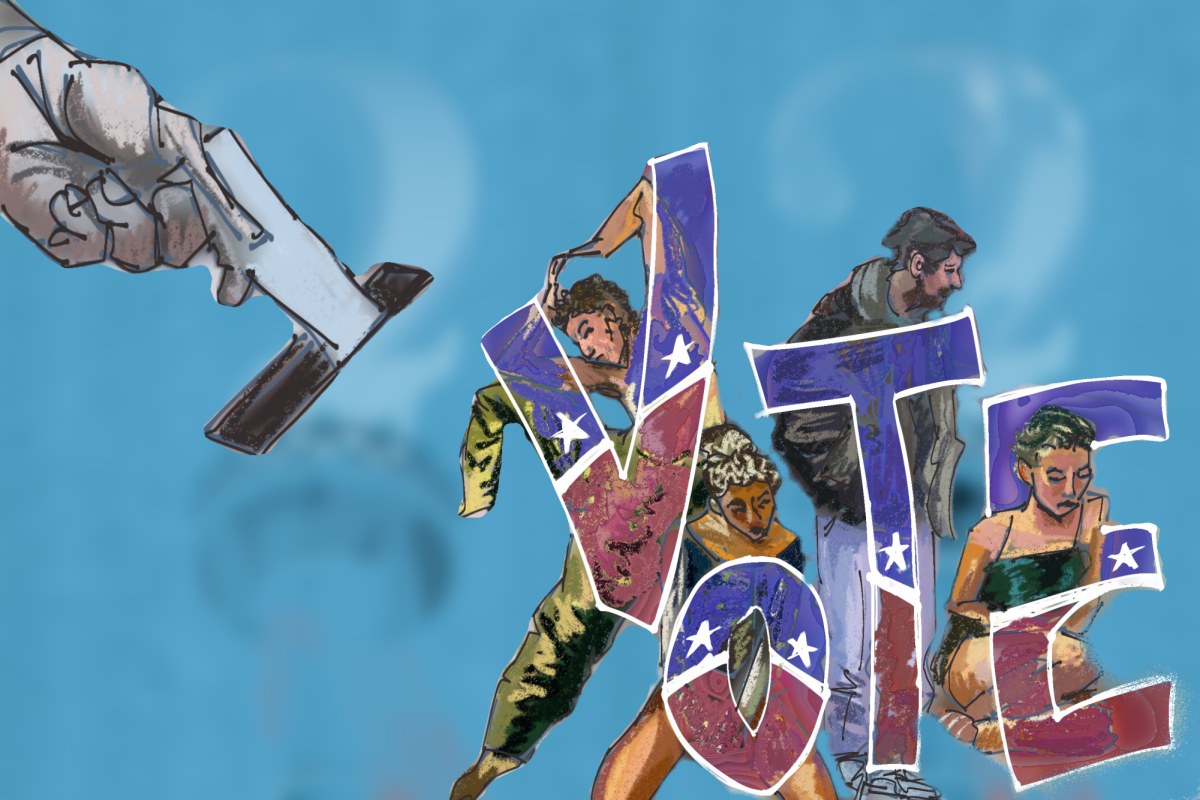
People often believe things that are factually incorrect, morally reprehensible or outright confusing. But “stupid” people voting isn’t an unintended consequence of democracy — it’s a necessary element. Everyone has the right to have their voices represented. Regardless of how we feel about their political decision-making, they’re as affected by the government as the rest of us.
Arguing that supposedly ignorant, undereducated voters shouldn’t vote at all can be a problematic argument in a democracy. The United States has a long history of voter suppression based on race, gender and wealth. Targeting unintelligent voters, in many ways, calls back to the accusations levied against minoritized populations that historically stopped them from exercising their rights.
“The problem is, how do we define education?” said Eric McDaniel, a government professor who focuses on Black politics. “Do we have people take literacy tests, which have been outlawed? This whole idea of ‘people have to be informed so they can vote’ is problematic. How do you measure people being informed? One of the things about a democracy is that you can be uninformed and still vote. If people want a better democracy, they need to be more active in making sure people are informed.”
But we can’t make sure people are informed if we alienate them further. Those seen as uneducated are often part of the demographic groups most in need of government assistance. Discouraging them from voting means encouraging them to further marginalize themselves.
It’s essential for those of us who are educated to step outside of our bubbles. Our personal values can blind us to the lived experiences and emotions that drive voting behavior. People continually voting in a way that we find disagreeable often isn’t a matter of stupidity on their part but a lack of understanding on ours. Voters are motivated by factors ranging from religious belief to economic concerns; reducing their decision to ignorance is arguably an act of ignorance itself.
“Are they really voting against their self-interest?” McDaniel said. “There might be things that you think are not that important, that are extremely important to them, and so they think they’re voting in their self-interest. Another thing would be to try to find ways to get information out to people. … One of the reasons why you have a lot of people who are misinformed is because they (feel) looked down upon.”
Making an effort to understand these voters doesn’t mean excusing their harmful views. It’s undeniable that some voters use that right to target marginalized groups, push for harmful legislation and support divisive candidates. But without understanding, challenging these beliefs becomes much more difficult.
Mocking someone’s intelligence only serves to alienate them from the opposing side, prevent productive dialogue and feed individuals further down pipelines of misinformation. We must understand that those who vote differently than us often aren’t stupid, just different. Looking down on them, no matter how obvious or logical it may seem, helps no one.
Until we recognize that differences are both necessary and inevitable in democracy, we’ll remain vulnerable to the actors that benefit from driving us apart.
Tuscano is a government sophomore from Round Rock, Texas.