Kate Mara, an actress with a career spanning many genres and mediums, who is often recognized for her role as Zoe Barnes on the Netflix series “House of Cards,” takes the lead “The Astronaut,” which premiered at SXSW on Friday. Directed and written by Jess Varley in her feature debut, “The Astronaut” premiered at the ZACH Theater as part of the festival’s Narrative Spotlight section.
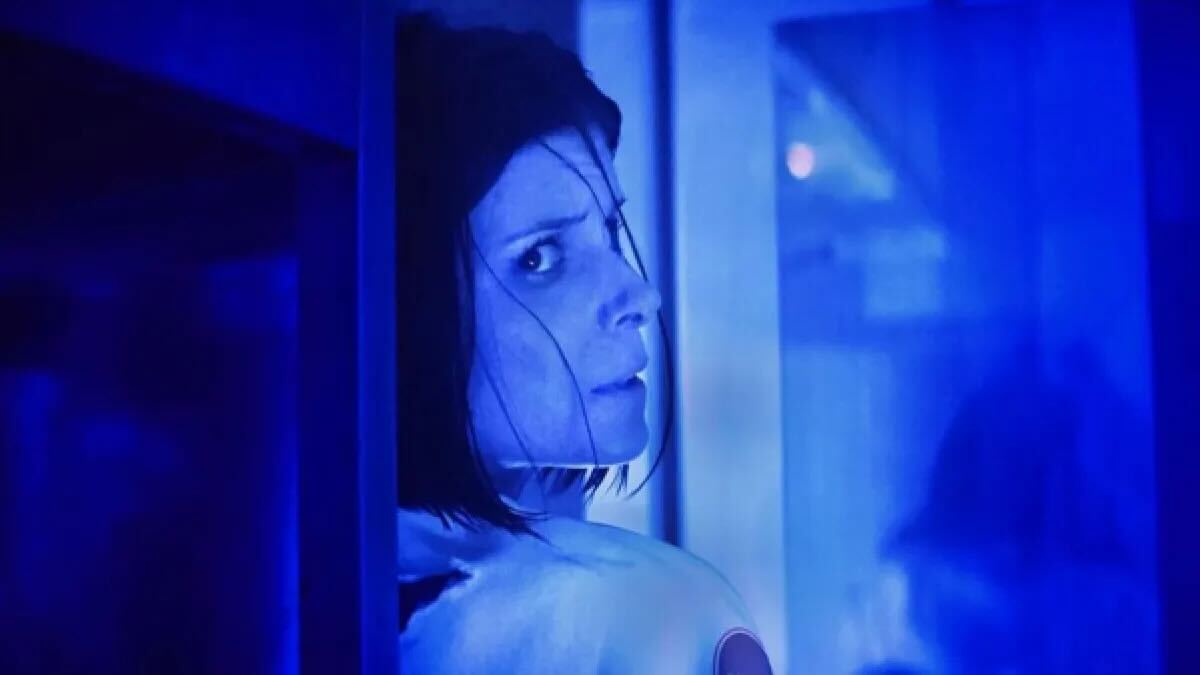
“The Astronaut” follows Mara, as Sam Walker, after she’s placed under surveillance following her return from space. What the audience quickly learns is that something has gone horribly wrong during her descent towards earth. Walker lost consciousness and developed symptoms including severe bruising, hallucinations and tinnitus, which her doctors try to diagnose before clearing her to return to space.
Walker never gets the chance to return to space, at least not in the same way she was introduced to audiences in the beginning of the film. Her state by the tail end of the film leaves more questions than it does answers.
The film features a trio cast consisting of Mara, Gabriel Luna (“The Last of Us”) and Laurence Fishburne (“The Matrix,”) but most of the storyline and emotional duress is centered on Mara’s Walker. Because of the lack of screen time for most of the other characters, in many ways Walker feels incredibly isolated, which imaginably is a realistic representation of the readjustment process many astronauts go through after returning home.
One key element of the film is the sound design, which helps the audience weave through the sometimes droning storyline.
The film spends majority of its run building up what seems to be a very interesting recovery period for Walker, who is experiencing symptoms and dangerously violent hallucinations, and then sort of wraps itself up way too quickly. Varley’s “The Astronaut” would either work better as a longer feature, or a television series with more time to dive into Walker’s backstory and explain some of the unanswered questions left by the film’s 90 minute runtime for an ambitious amalgamation of genres including sci-fi and horror.
On that note, Varley’s blend of science fiction and thrilling horror elements are well noted, as the director’s aforementioned implementation of sound as a driving force in the film emboldens some of the horror elements she’s going for. The foreboding music helps communicate to the audience the film’s quick, yet thrilling turns.
While the horrifying possibilities of what might happen when extraterrestrials come into contact with humans basically created the science fiction genre, Jess Varley’s “The Astronaut” proves an ambitious story in the genre can still be told. Whether or not the story was well told is up to the viewer to decide for themselves.
3 hallucinations out of 5