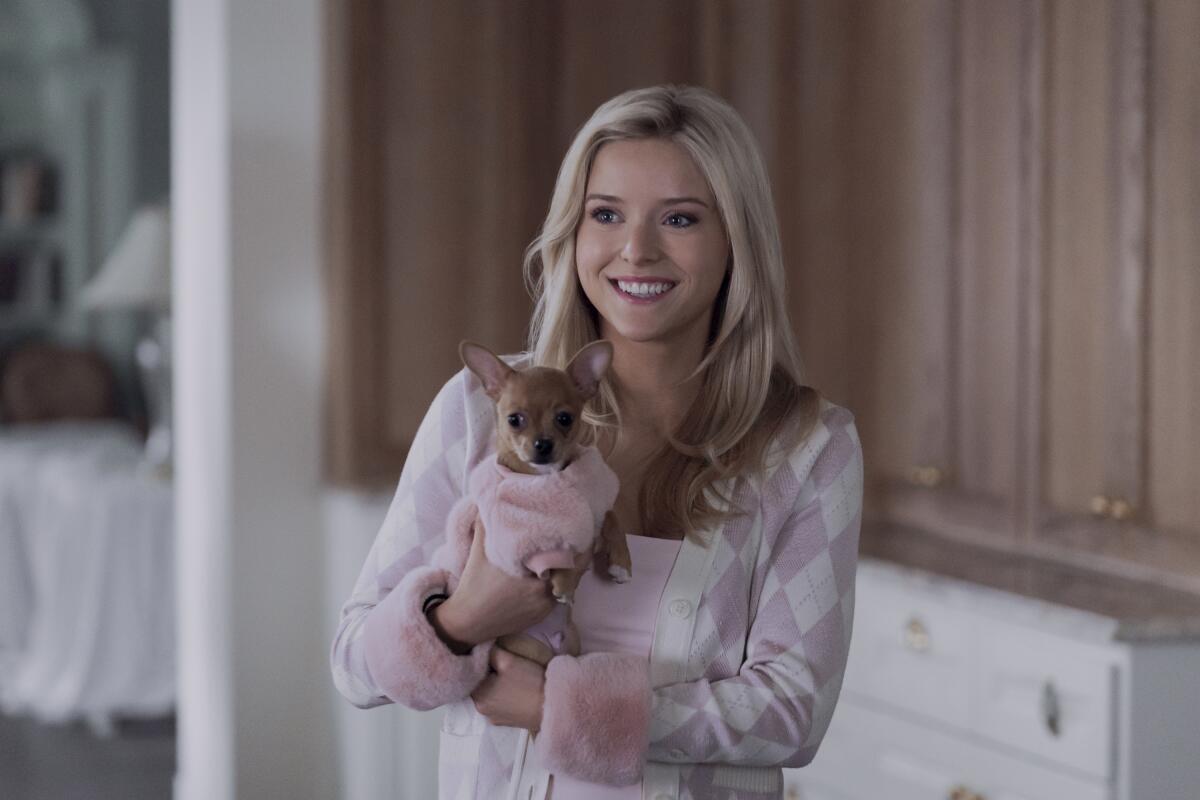
“Leviticus” follows the story of two young boys living in conservative Christian Australia. After they get outed and subjected to religious “healing,” the boys encounter a terrorizing entity that takes the form of the person they love the most. After debuting at Sundance Film Festival, “Leviticus” got added to the Festival Favorites section at South by Southwest.
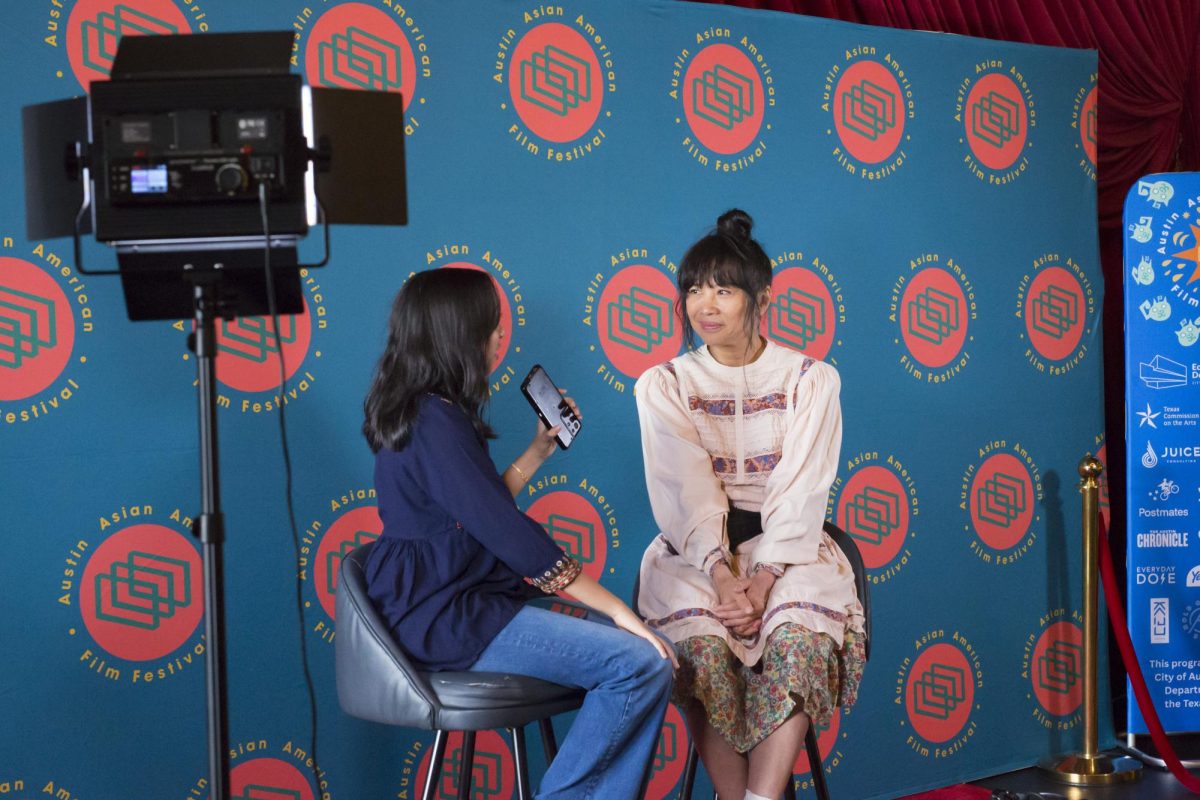
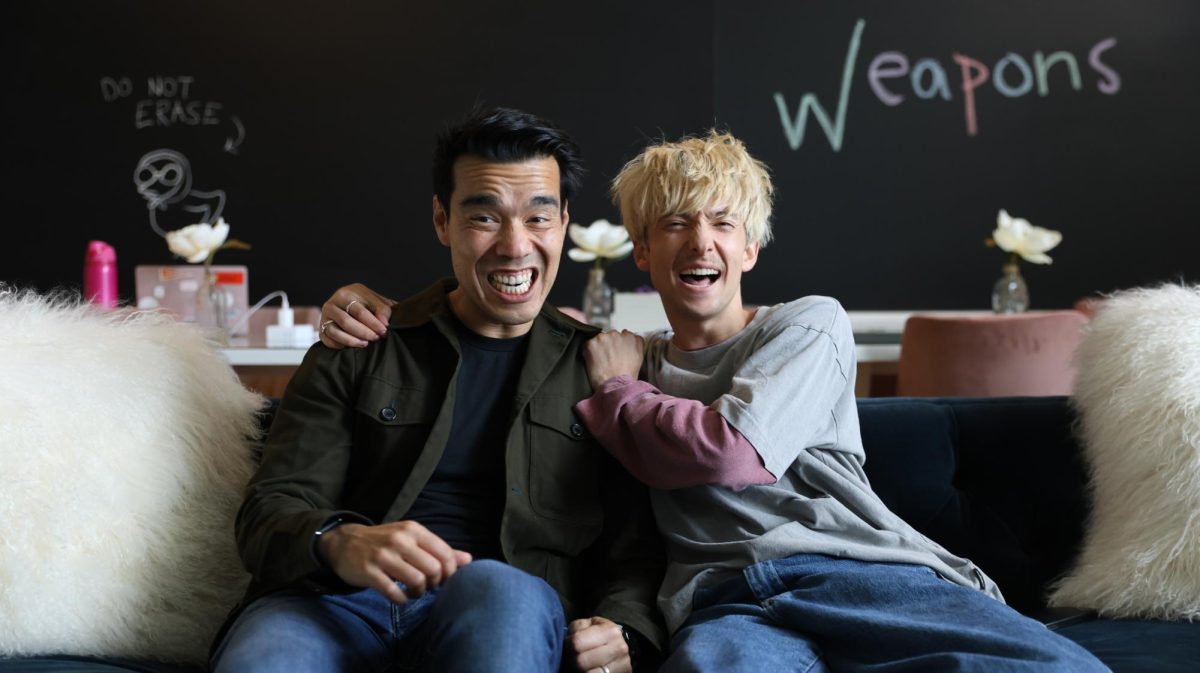
The Daily Texan sat down with director Adrian Chiarella and lead cast member Joe Bird (Naim), to speak about the film’s themes of homophobia and love and its significance within the horror genre.
The Daily Texan: The ending of “Leviticus” highlights the importance of embracing love over fear. What was your purpose in crafting this ending and its significance in a horror film?
Adrian Chiarella: I always knew that was the message that I wanted to give with this film – to choose love. It was what I always wanted to say, no matter how difficult that is, and no matter what you’ve been scarred with in your experiences, which these young men have been scarred by something quite brutal.
DT: The portrayal of young love in this film is beautiful. Joe, can you speak on your experience in crafting this portrayal, and Adrian, the importance of that to you in the film?
Joe Bird: We knew from the start that this horror film wouldn’t work if the love story didn’t work either. Adrian sent me and (co-star) Stacy (Clausen) out on little activities where we just really got to know each other and bond and over two weeks pre-production, we just became best friends within the first three days, which made everything smooth sailing. We worked closely with Adrian to figure out the different levels of intimacy in different parts of the film, and also how much desire is taking effect … how much desire these characters have in a certain scene.
AC: This movie, on so many levels, doesn’t work unless there was that chemistry between Joe and Stacy. I think it wouldn’t have worked on a love story level, for very obvious reasons, but I think it wouldn’t have worked as a horror movie either, because the entire concept of the monster, the entity, relies on there being a true connection between these two characters. So, we really needed the audience to believe that within the first couple of minutes of the film.
DT: There’s a line of dialogue in the film, “One day you will believe in things you cannot see.” Adrian, how did you craft the idea of the villain in this film and it being something that others can’t see?
AC: Everything with this film went hand-in-hand with what makes it a great horror movie, but also what makes it something that we’re trying to speak to, and this entity, this monster, as a metaphor for homophobia (and) for everything that young queer people are growing up with in the world. It was important that it was something that other people couldn’t see because I wanted it to be this cipher, this code amongst young queer people, that it was something only they could see. … One of the biggest things when you’re growing up queer is not only that people may not accept how you feel, it’s that they don’t even understand how you feel. They don’t believe how you feel or how you identify. … That can be really, really hard for young people. That element of mythology was really important to me.