It’s difficult to look back on an academic year when every step toward progress has been met with resistance, suppression or silence. From administrative overreach to legislative threats to
academic freedom, it feels like the University we are supposed to trust is increasingly aligning itself with those working to limit the rights of its own students and faculty.
This Editorial Board responded in the best way we could — with our writing. But as the attacks continue to roll in, we couldn’t seem to keep up.
We have produced seven editorials this academic year, each increasingly more difficult.
Last semester, we argued that UT’s continuous neglect of its faculty risks long-term damage to its reputation and academic standing. We also endorsed candidates for the November 2024 elections.
This semester, we covered federal anti-immigration policy’s impact on the UT community. We also endorsed student candidates following the annual student government debate, which we moderated with some complications.
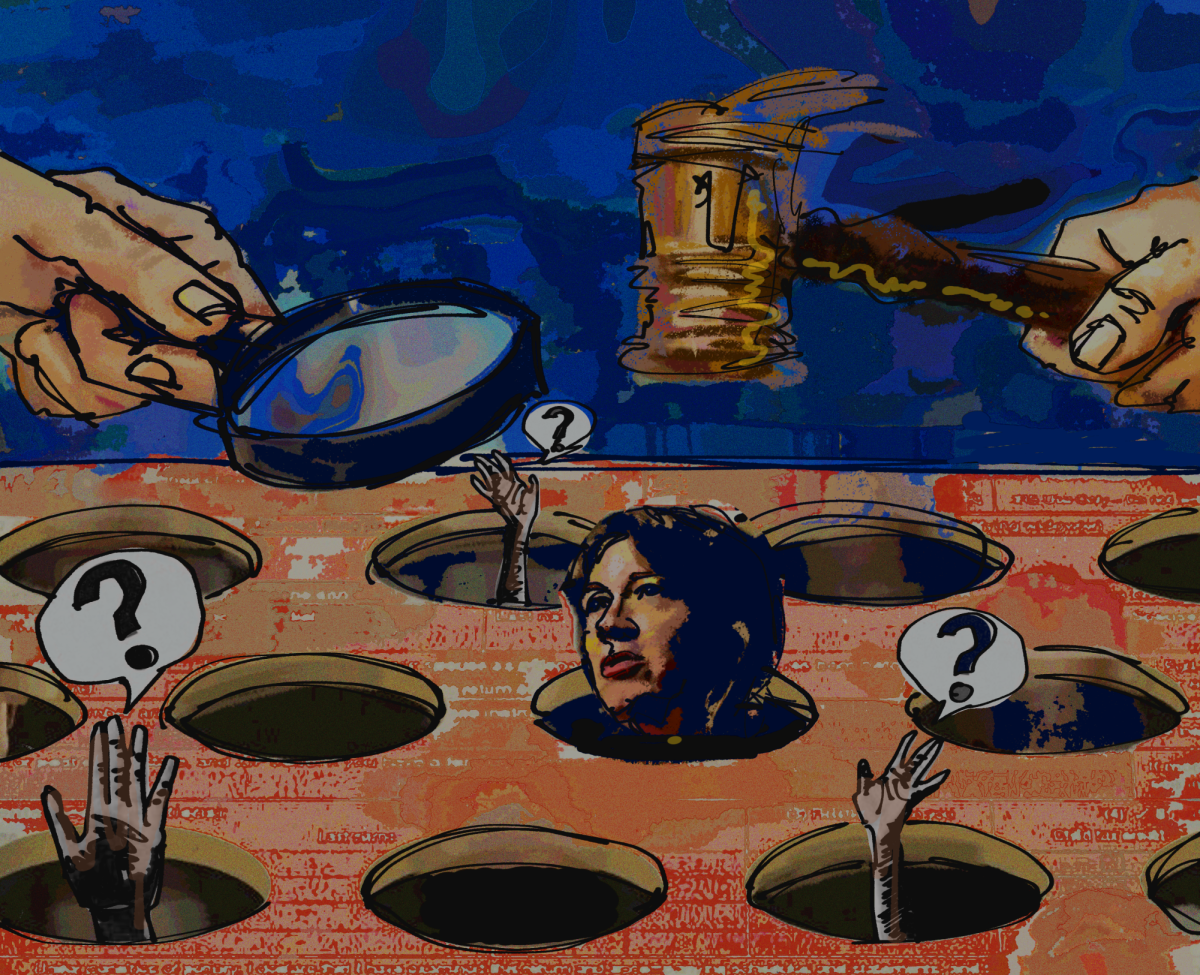
This was the first year our questions were censored by the Office of the Dean of Students. Additionally, the Office intervened in the campus-wide election, overturning the disqualification decision made by the Supreme Court of Student Government. Both instances were an attempt to undermine student freedom.
The Editorial Board endorsed Grayson Oliver and Elizabeth Tomoloju for Student Government president and vice president. However, due to the Offices’ intervention, Hudson Thomas and Thierry Chu won, setting a dangerous precedent for student-led elections.
We endorsed candidates we believed in, only to watch University administration undermine the legitimacy of our election process.
Our latest editorials focused on the state legislature’s repeated efforts to undermine the rights of Texans, from Texas Senate Bill 37’s attempts to limit faculty autonomy and censor discussions on race, gender and culture in classrooms to the Board of Regents’ unconstitutional drag ban.
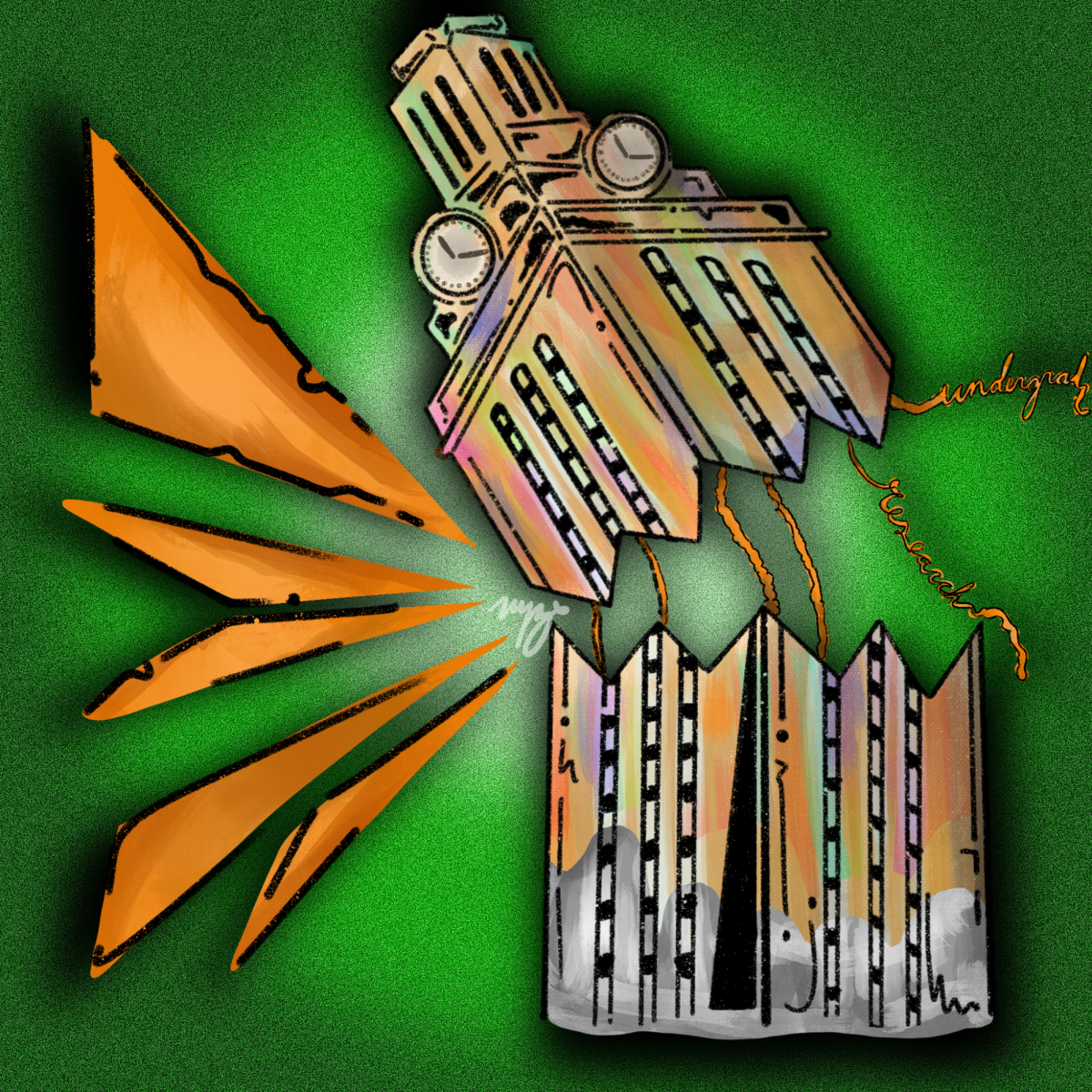
UT’s administrative overcompliance is nothing new. We have seen it time and time again, most recently in its decisions to conduct mass firings following SB 17 and deploy state troopers against student protestors last April. Their fear of potential retaliation often comes at the expense of their own community.
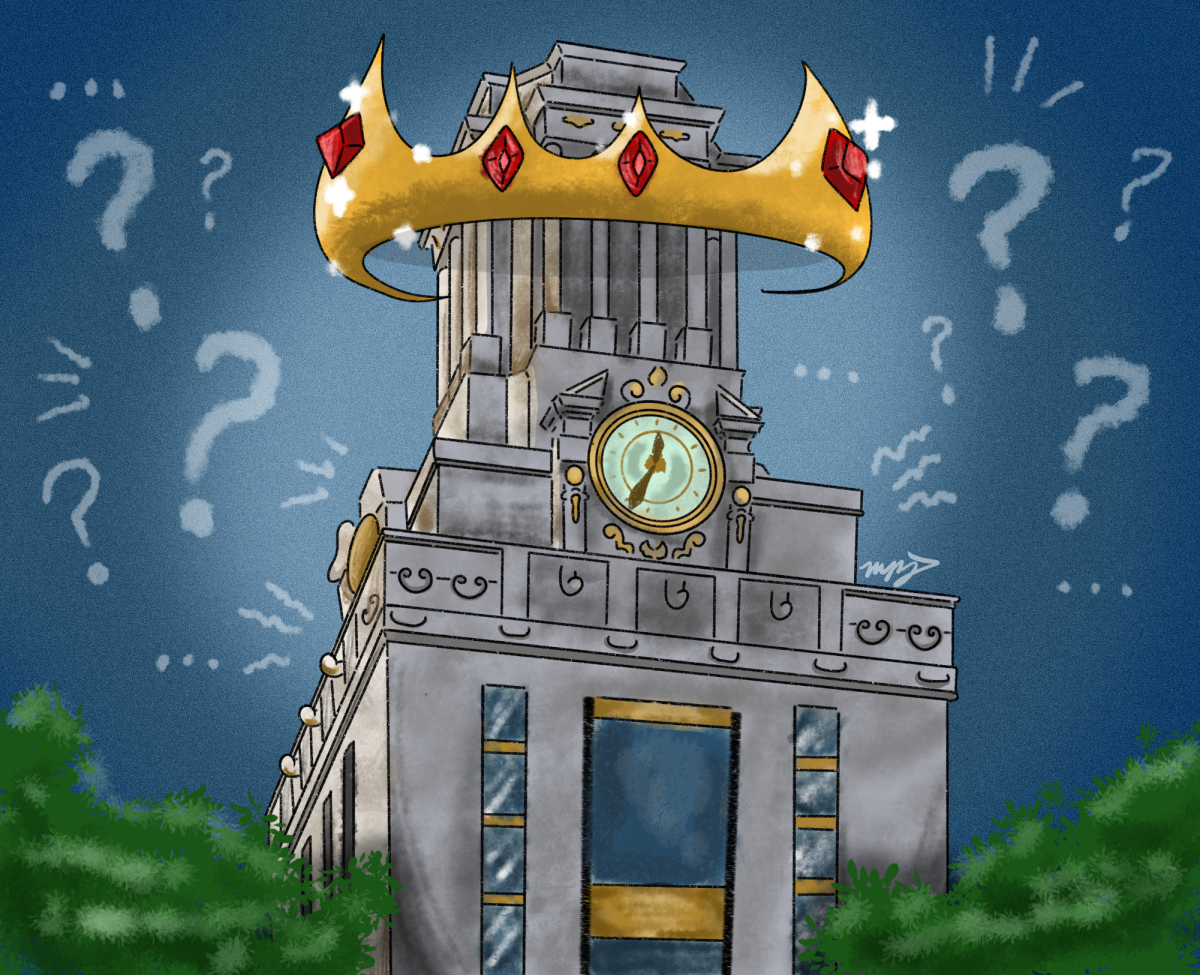
With the influx of government control over higher education, UT hangs in an increasingly precarious position in which legislative force and administrative compliance threaten the principles of free expression and academic freedom that should define this institution.
From a decline in faculty autonomy to an increase in gender policing, conservative agendas now dictate campus policy, curriculum and student expression, even at the expense of the First Amendment. This shift is perpetuated on all levels, from the federal, state and student governments, and only becomes more threatening when UT remains silent.
The endorsement of one political ideology and censorship of another will have dangerous consequences on our University, including silencing dissenting opinions, obstructing diversity of thought and effectively ending academic freedom.
This presidential administration’s attacks on the media industry and the public’s
declining trust in journalism pose real threats to our paper and to newsrooms nationwide. Student journalism is crucial to holding our government and institutions accountable, a responsibility more important now than ever.
In the face of legislative attacks, the University’s overcompliance and administrative overreach, the Editorial Board stands for free speech and academic freedom for students and faculty.
We are not going to let these issues go unacknowledged. As long as The Daily Texan has the ability to say something, we absolutely will.
The Editorial Board is composed of associate editors Emily Harrison, Tenley
Jackson, Tanya Narwekar, Ava Saunders, Anjali Shenoy and editor-in-chief McKenzie Henningsen.