The shifting conditions for free speech in the United States were on Hope’s mind even before they arrived at UT as an international student. Hope, who requested to omit their home country and use a pseudonym for safety reasons, said they are conscious of the potential safety risks related to online expression.
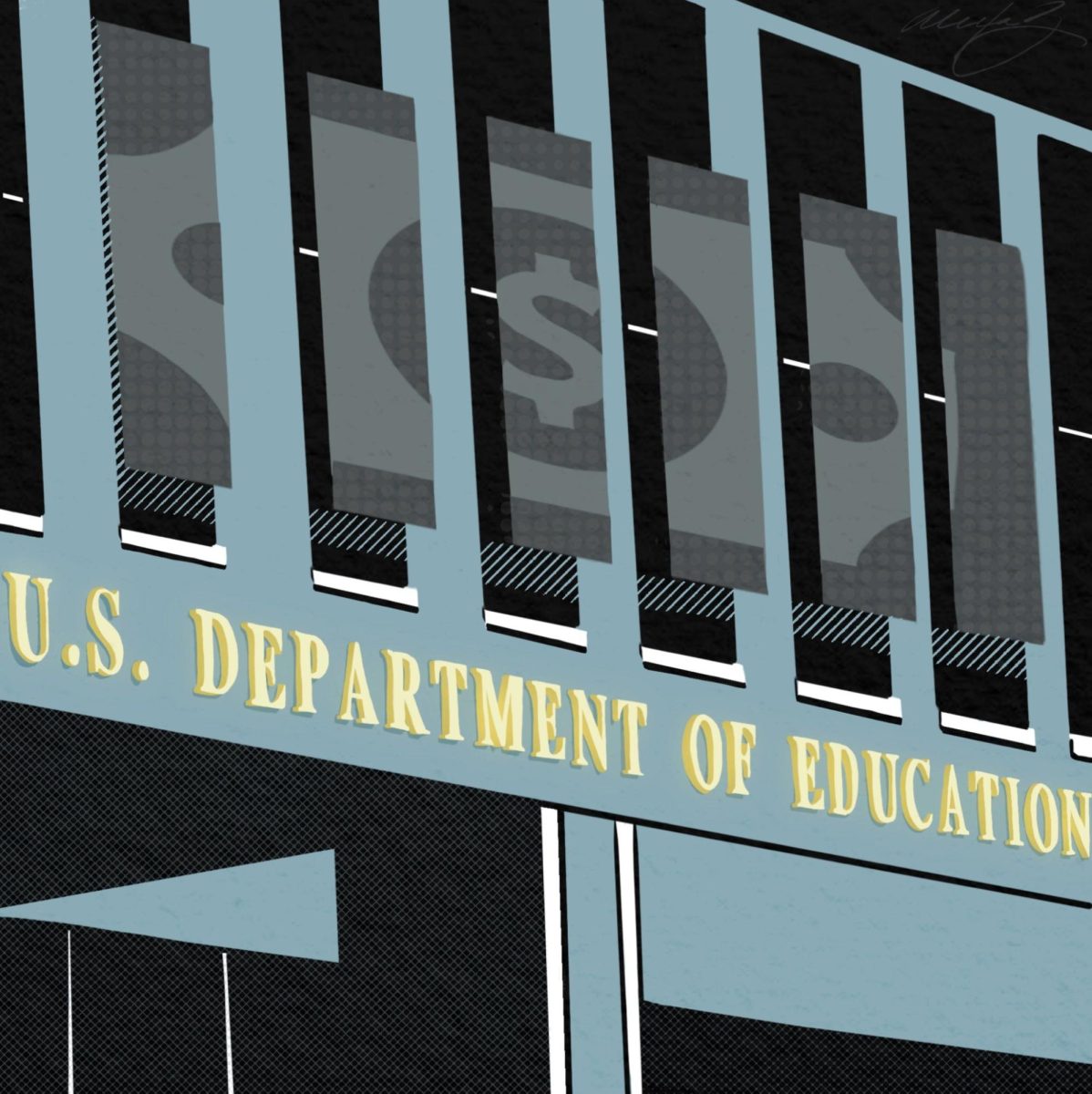
Surveillance of noncitizen social media activity has increased in the months since the State Department introduced its artificial intelligence-powered “Catch and Revoke” program in March, which led to visa revocations for students who appeared to “have supported terrorists or otherwise abused (U.S.) hospitality.”
New interviews for student visa applicants are now paused until the State Department issues guidance on an expanded social media vetting process for all future applicants, according to an internal memo obtained by Politico on May 27.
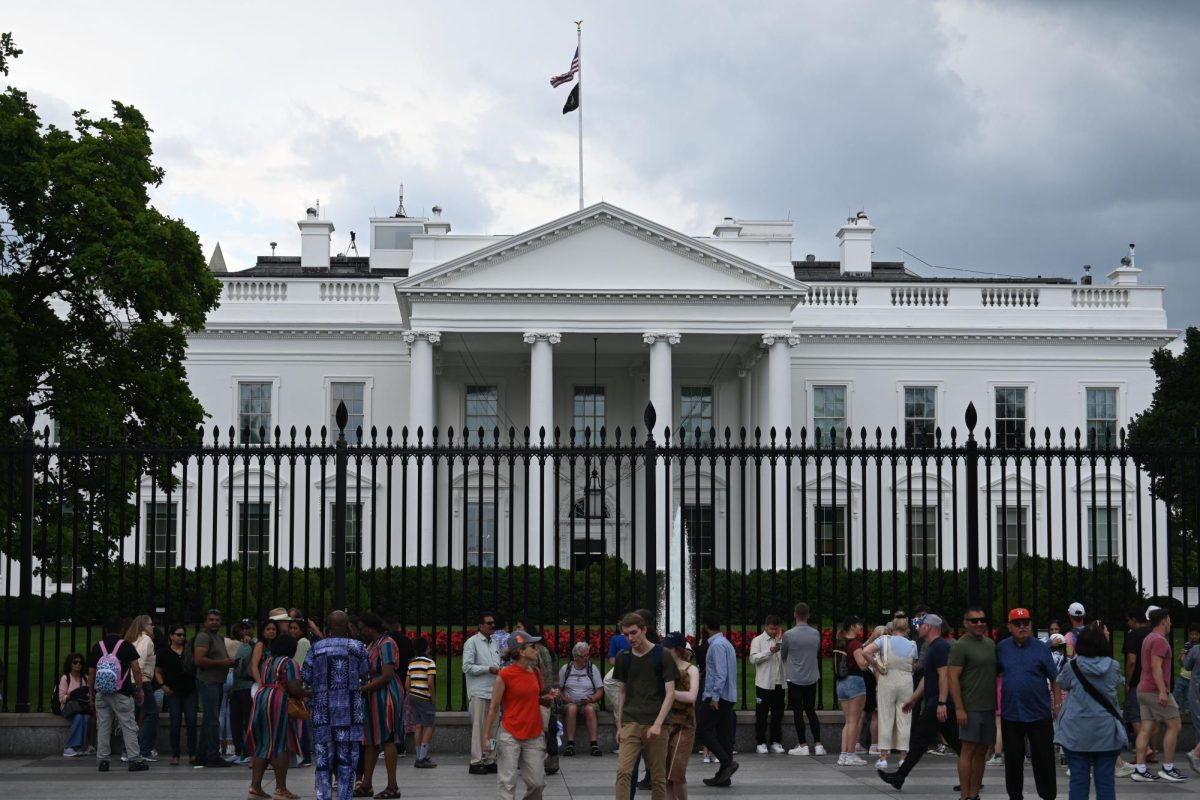
“Every adjudication is a national security decision,” State Department spokesperson Tammy Bruce said during a press briefing. “A visa, as a reminder, is a privilege, not a right.”
As an international student, Hope said they perceived American society as “free-spirited.” However, when it came to free speech and social media usage back home in their home country, Hope said they did not feel comfortable freely expressing their opinions. This did not change once they arrived in Texas last fall.
For now, Hope continues to take in information passively, using social media only to engage with the news and stay informed on issues they care about, including healthcare and access to housing.
“Since (most students) are citizens, (they) can feel more free,” Hope said. “Since I’m not a citizen, that fear is always there.”
The First Amendment protects noncitizens and citizens, said Allison Matulli, a fellow for the First Amendment at the Freedom Forum. However, the surveillance of social media can deter people, including students, from engaging in lawful expression when considering potential immigration consequences, Matulli said.
“When you’re vetting someone to enter the country, you are thinking of how they would engage as a citizen here, or (for) someone who’s under a particular type of visa, if they would be doing whatever that visa allows them to do and only that activity or something lawfully under that umbrella,” Matulli said.
It is currently unclear what specific criteria is used to evaluate social media accounts belonging to student visa holders or prospective applicants. In April, the Department of Homeland Security announced it would begin screening noncitizens’ social media accounts for “antisemitic” activity, including students and people applying for permanent residency.
The threat of non-admittance will create a “chilling effect” on speech, including for international students who feel that self-censorship is necessary to avoid potential discrimination during the visa application process, Matulli said.
“Even if something’s offensive and unpopular, maybe someone expresses an idea whether it’s pro-Palestinian (or) anti-Semitic, whatever their speech is, and one might think that’s very offensive, this could amount to unconstitutional viewpoint discrimination if the government were to act against their particular viewpoint,” Matulli said.
Increased scrutiny of international students’ social media reflects the intersection between immigration enforcement, surveillance and free speech like never before, said Austin-based attorney George Lobb.
While the State Department first began requiring all applicants for U.S. visas to submit social media usernames in May 2019, Lobb said such practices date back to at least 2013.
“When you sign up for social media, you waive all your privacy rights for the most part because it’s a third party,” Lobb said.
Though the State Department has “wide latitude” to issue or deny visas, Secretary of State Marco Rubio alone can decide whether to revoke the visa of a person deemed to be a “threat” to U.S. national security, Lobb said. Columbia University student activist Mahmoud Khalil was arrested in March under the Immigration and Nationality Act, which grants Sec. Rubio the power to deport an individual because of “potentially serious adverse foreign policy consequences.”
“In adjudicating visa applications, consular officers do not determine whether information or statements constitute ‘political speech,’” the State Department’s Visa Office wrote in a 2019 statement. “All available information is reviewed and vetted based on statutory visa eligibility standards.”