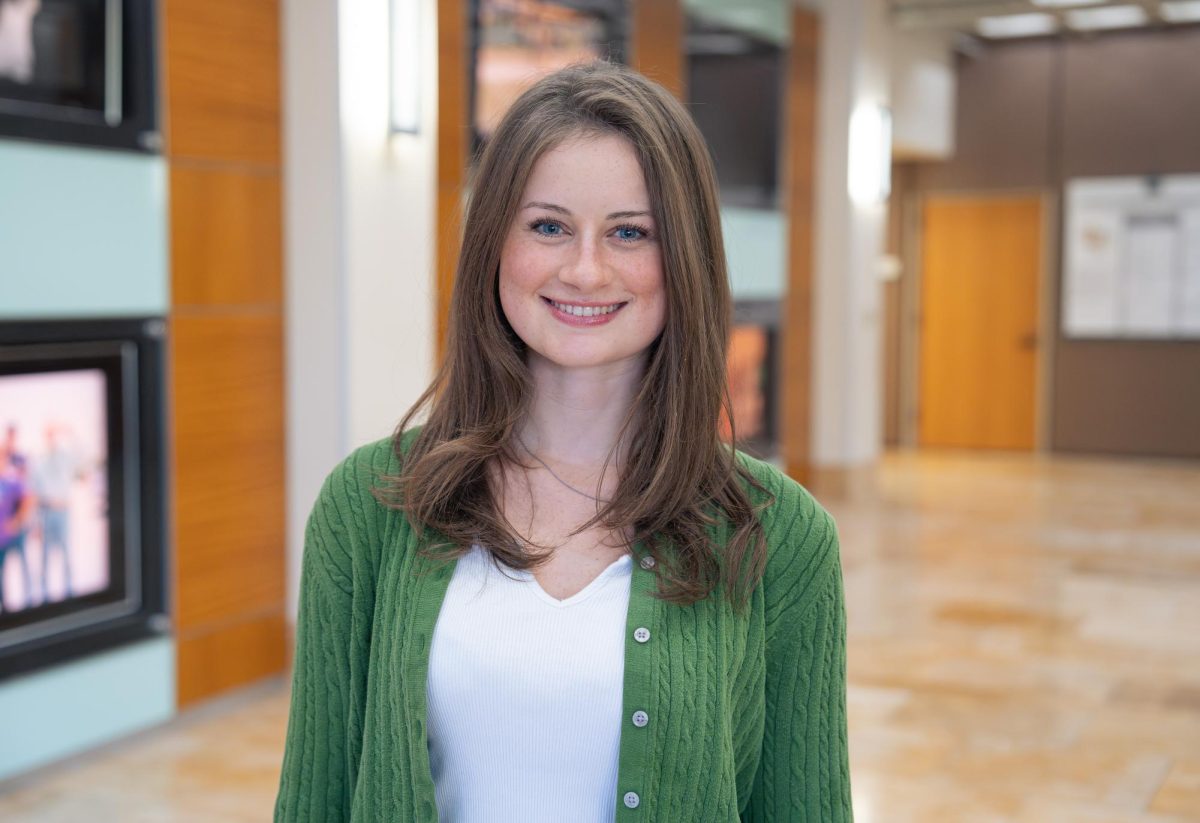
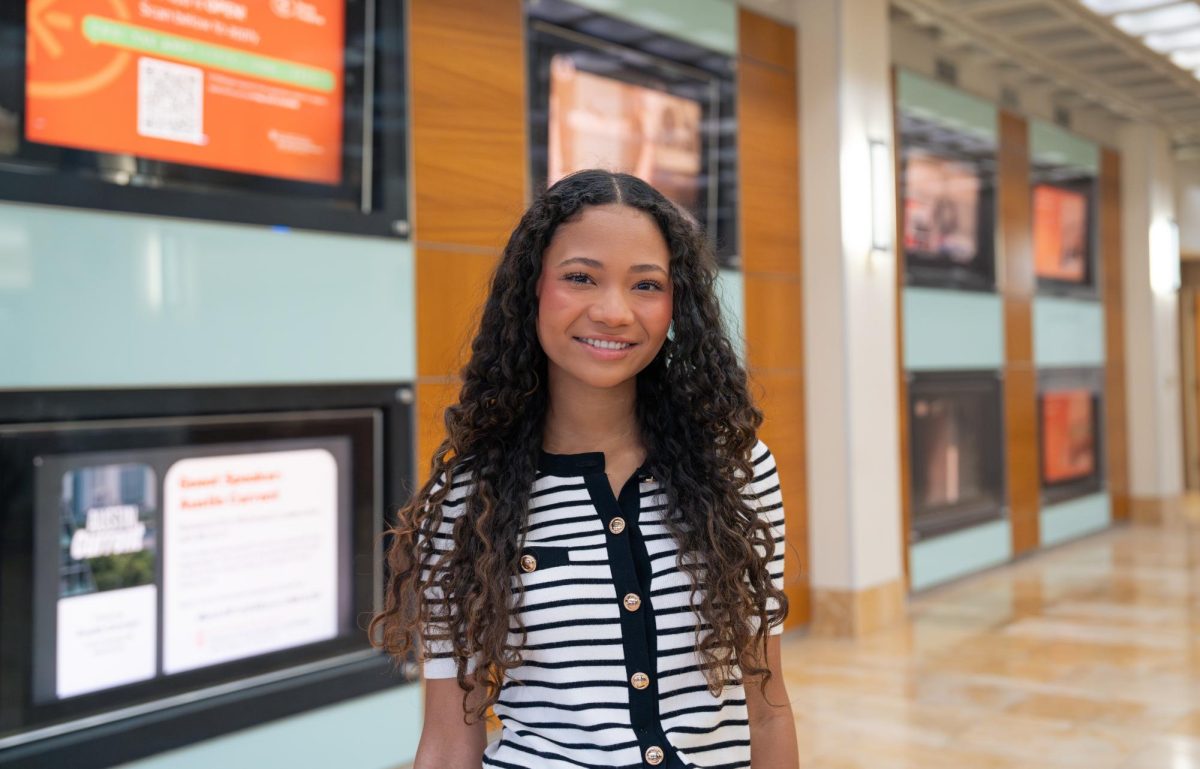
General Audio Staffer Rhea Chowdhary and Daily Texan en Español translator Isabella Santos speak with members of Reggaeton Dance Club about the community it has built at UT.
Reported and produced by Rhea Chowdhary. Cover photo by Joshua Cesar Pierre. Music by Kitty Beats.
Rhea Chowdhary: Content warning, the second half of this episode contains mention of sexual assault. Listener discretion is advised.
**Intro music**
Chowdhary: Reggaeton is a popular Latin music genre, combining hip hop, reggae, and salsa dance rhythms sung in Spanish. With any type of music, a shared taste not only provides enjoyment, but it helps foster a strong community.
Chowdhary: My name is Rhea Chowdhary and I am a general audio staffer for The Daily Texan. In this episode, Daily Texan en Español translator Isabella Santos and I will be speaking with Reggaeton Dance Club vice president Sheree Inga, choreographers Kristelle Rodriguez and Daida Garcia and member Barbara Soriano-Morais about the community that the Reggaeton Dance Club has built at UT and what it means to them. Their quotes will be translated from Spanish to English throughout the episode.
**Music**
Isabella Santos: When entering a new environment, such as coming to college or joining a club, it’s natural to feel a sense of nervousness or anxiety. However, Kristelle and Barbara detail how the UT Reggaeton Dance Club very quickly became a comfortable environment for them.
Barbara Soriano-Morais: “Pues nunca, nunca había bailado antes en frente de gente. Siempre sería, siempre fue yo y mi espejo. Entonces, pues sentí tímida, pensé que me iban a juzgar, que iban a decir, o sea, como la primera práctica que atendí era, le hicimos tipo como círculo de baile. Pero después de esa primera práctica, pues vi realmente qué tipo de gente está dentro del club y que es un lugar que te apoyan mucho, que te motiva.
Santos: Barbara said, I had never danced in front of people before, only by myself in front of the mirror. I was nervous and thought people would judge me, especially at the first practice, where we did a dance circle. But after that first practice, I realized the kind of people in the club; it’s a very supportive environment where they motivate you and cheer you on no matter what.
*natural sound from a rehearsal*
Kristelle Rodriguez: Me recordaba mucho a lo que yo aprendí en casa. Entrando al club, siempre, o sea era muy positivo el ambiente. Me hicieron sentir muy contenta estar ahí, como dijeron todas mis compañeras, ahí no hay vergüenza. O sea, vas y siempre te la pasas bien
Santos: Kristelle said, it reminded me of the dance training I had growing up with back home. From the start, the environment was always positive and they made me feel happy to be there. Like the girls said, there’s no shame there, and every practice is a good time.
Chowdhary: The beats in reggaeton music are playful and fun, but as choreographer Daida explains, the club represents so much more than a place where people come to simply dance and socialize.
Daida Garcia: Yo crecí bailando danza lírica, contemporánea y ballet, y siempre sentí que no había un lugar en ese espacio para mi cultura. Entonces, cuando encontré una organización que si me dejaba hacer mi pasión, pero a mis propios términos y a mi propia manera, se sintió muy empoderador y es un gusto poder hacerlo con todas estas muchachas presentes.
Chowdhary: Daida said, I grew up dancing lyrical, contemporary, and ballet, and I always felt like there was no space amongst those styles to express my culture. Finding a club that allowed me to dance with passion on my own terms, in a space that embraces who I am, It feels very empowering, and it’s an honor to share that with these women.
Santos: Sheree expands on this by saying how the club is a place where students from Latin and Hispanic backgrounds are able to find a sense of belonging and “home” at UT, or for students of other backgrounds, to learn more about a new culture that might be unfamiliar.
Sheree Inga: Yo creo que lo que más me gusta del club es que es una manera de demostrar la cultura que los hispanos tienen. Me parece que el club de reggaetón es muy bueno para demostrar que nuestra cultura no es necesariamente algo malo, siendo que muchas personas fuera de la comunidad hispana a veces pueden tener este prejuicio. No le estamos haciendo daño a nadie, lo estamos haciendo de una manera sana y ayudando a todos los estudiantes que están en nuestro grupo puedan seguir yendo a clase, tengan un lugar donde se sientan a salvo y donde puedan sentirse en casa, porque la mayoría de nosotros venimos de otras ciudades, otros países, otros estados. También es una buena manera de compartir nuestra cultura con otras personas que quizá no tienen la experiencia, porque al final del día, la cultura está para compartirla y para disfrutar y para divertirnos.
Santos: Sheree said, what I love most is how the club shows Hispanic culture. The Reggaeton Dance club is a great way to show that Hispanic culture is not necessarily a bad thing, being that sometimes people may have that prejudice. We’re not hurting anyone, and we are doing it in a healthy way to help our students to keep going to classes and giving them a safe space to feel at home, especially since many of us come from other cities, states or countries. It’s also a way to share our culture with others who may not know it, since at the end of the day, culture is meant to be shared and enjoyed.
Chowdhary: With Reggaeton Dance Club being a Latin and Hispanic culture focused club, they always encourage students of all backgrounds to join the club and to not be intimidated if they are not familiar with reggaeton. Sheree details how the club members organize many different events and meetings that focus on connecting all the members of the club in order to create one united community.
Inga: Por ejemplo, un evento que ocurre normalmente dos veces al mes, los viernes normalmente, en la noche, que lo organiza Jenna, quien se encarga de las comunicaciones, ella normalmente se encarga de agarrar pedazos de letra de las canciones a las que bailamos y básicamente las divide en oraciones y las traduce para que todos podamos entender. En las prácticas normalmente saltamos a la música y vamos en base al ritmo, pero también estos eventos donde hablamos más sobre qué significa la letra y de dónde. Y la verdad es que hasta yo me he dado cuenta de que he aprendido mucho más sobre el lenguaje. Realmente es una oportunidad muy buena para aprender más de otros idiomas, de otra cultura y de integrar a las personas.
Chowdhary: Sheree said, we host lyric breakdown nights twice a month. Jenna, our communications officer, gets parts of songs we dance to and translates the song lyrics, so everyone can understand its meaning. Normally, in practice, we just dance to the rhythm, but these sessions, where we speak about the meaning of lyrics, I realized I learned a lot about the language. It truly is also a great opportunity to learn another language and culture, and to integrate with people.
Santos: Beyond dance and culture, the founder of Reggaeton Dance Club Laysha Gonzales built the club upon the foundation of advocacy for the things she is passionate about and have affected her personally. In April of this year, she released a thesis exploring the historical and cultural significance Reggaeton Dance Club has had on student activism and identity liberation, specifically after Texas Senate Bill 17 was passed, which removed Diversity Equity and Inclusion, or DEI programs. Kristelle expands on Laysha’s’ experiences and why that has made advocacy such a focus in the club.
Rodriguez: Our founder, the reason she started, um. This club, and she says it openly to everyone was because unfortunately, her freshman year of college, she did get raped. So like she started this club like as a way of her to basically like express how she was feeling. And she’s always said like, our slogan is shake ass for a cause. Just going to like charity events and like helping out around like Austin if we can, and then like just giving out to the people. Cause that’s like literally the biggest part on why she even created the group.
Santos: The club has previously partnered with organizations such as Casa Marianella, as well as uses social media to show their support of Suicide Prevention Week, Human Trafficking Awareness Day, Global Community Engagement Day, Self Injury Awareness Day, Pride month, and more.
**Outro music**
Chowdhary: Through talking to members of Reggaeton Dance Club, we learn that the club not only serves as a place for students to jam out to music and express their feelings through dance, but as an empowering community of students from all backgrounds who want to spread Hispanic and Latin culture throughout their community.
Chowdhary: This was audio reporter Rhea Chowdary and Daily Texan en Español translator Isabella Callegaro Santos. This episode is a production of the Daily Texan’s Audio Department. More episodes can be found on your streaming platform of choice.
**Outro music**