I received a postcard last week from my friend, Charlie, who is currently 8,880 miles away in Melbourne, Australia. The letter is dated Aug. 26, 2025, and features a deep yellow, surf background, decorated with Charlie’s typical, practically illegible writing and scratchy doodles. Even though Charlie’s letter took nearly two months to fall into my hands, no other means of communication has made her feel closer.
The digitalization of our society means communication has never been easier. Whether you’re calling a family member, receiving a picture from your busy travelling friend or texting your roommate to pick up groceries on the way home, communication is fluid, simple and quick. However, the convenience of digital communication overlooks the meaningful and satisfying connections produced by handwritten letters. Students would benefit from writing more letters to integrate the intimacy of physical communication back into their lives.
The overabundance of communication, especially through social media, diminishes its intimacy. People have hundreds of followers on Instagram, but how many of those people would you talk to in the street?
“Letters are a particularly intimate form of communication, because when you receive anything from someone, there is a value attached to that,” said Maddie Holland, associate professor in the Moody College of Communication. “This person spent more time than they needed to, and spent more of their cognitive effort and emotional effort in creating this thing for me, it is a particularly impactful form of communicating.”
The composition of letters is co-beneficial for the writer and the recipient. For the writer, the cognitive and physical acts of thinking through and writing down thoughts are clarifying and helping regulate emotions. For the recipient, there’s less room to question what is being said — the effort, control and editing mean the message is more intentional.
“It’s definitely a centering experience for the person. It can be cognitively taxing and complex to take the thoughts or feelings or emotions that are in your head and crystallize them into words that will make sense to someone else,” Holland said. “When the messages that we’re sending to other people are clearer, that can help us establish more intimate bonds, because we really know what the other person is thinking.”
One reason people ignore letter-writing is the length of time. It took Charlie’s letter a treacherous two-month-long journey to reach me, but somehow the postcard she scribbled herself reached my fingers. The benefits of writing letters outweigh the inconvenience.
There’s something charming in the tangibility of letters. As a history student, my favorite sources to read are personal letters — random memorabilia that miraculously survive. I quite enjoy the thought of leaving my own trace for others to come across.
Mallary Tenore Tarpley, assistant professor of practice in the School of Journalism and Media and McCombs School of Business, emphasizes the rarity and physical worth of handwritten letters.
“There’s so much value in these letters, because a lot of times they tell a story in and of themselves, and they also have staying power,” said Tenore Tarpley. “People are (more) likely to keep them. There’s something about actually being able to hold a letter, and that tangible quality of a letter gives it a greater sense of presence in our lives.”
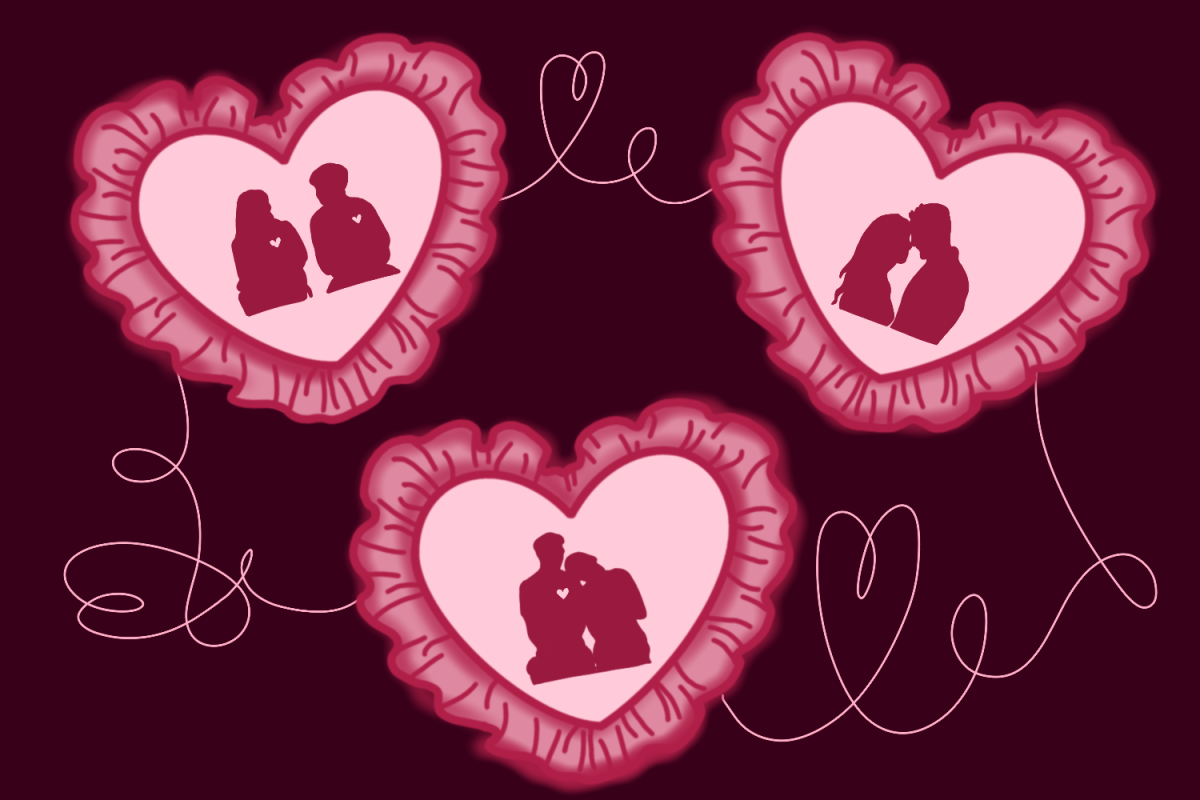
I’m not bashing texting, and I think sending memes to friends has its own form of intimacy, but add in a handwritten letter once in a while. Remind the people you love that you’re thinking of them — it really never misses.
Slimmon is a history junior from London, England.