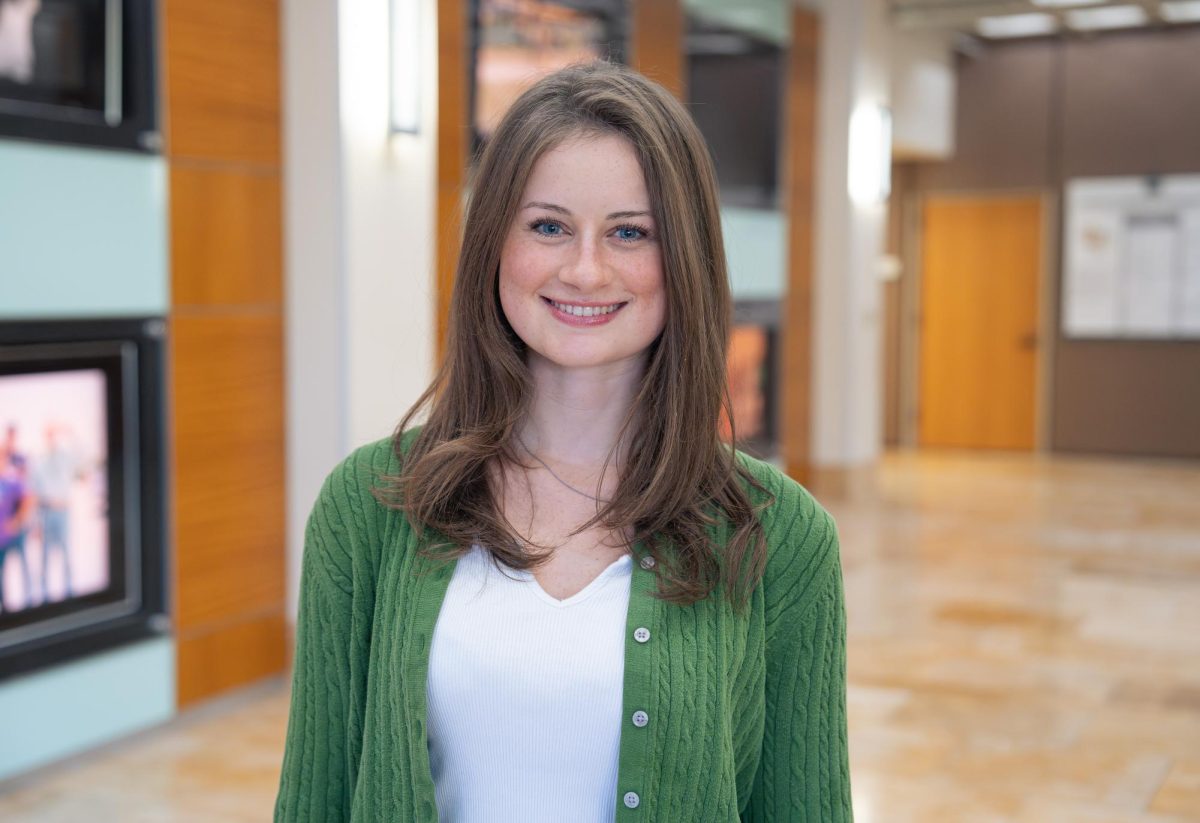
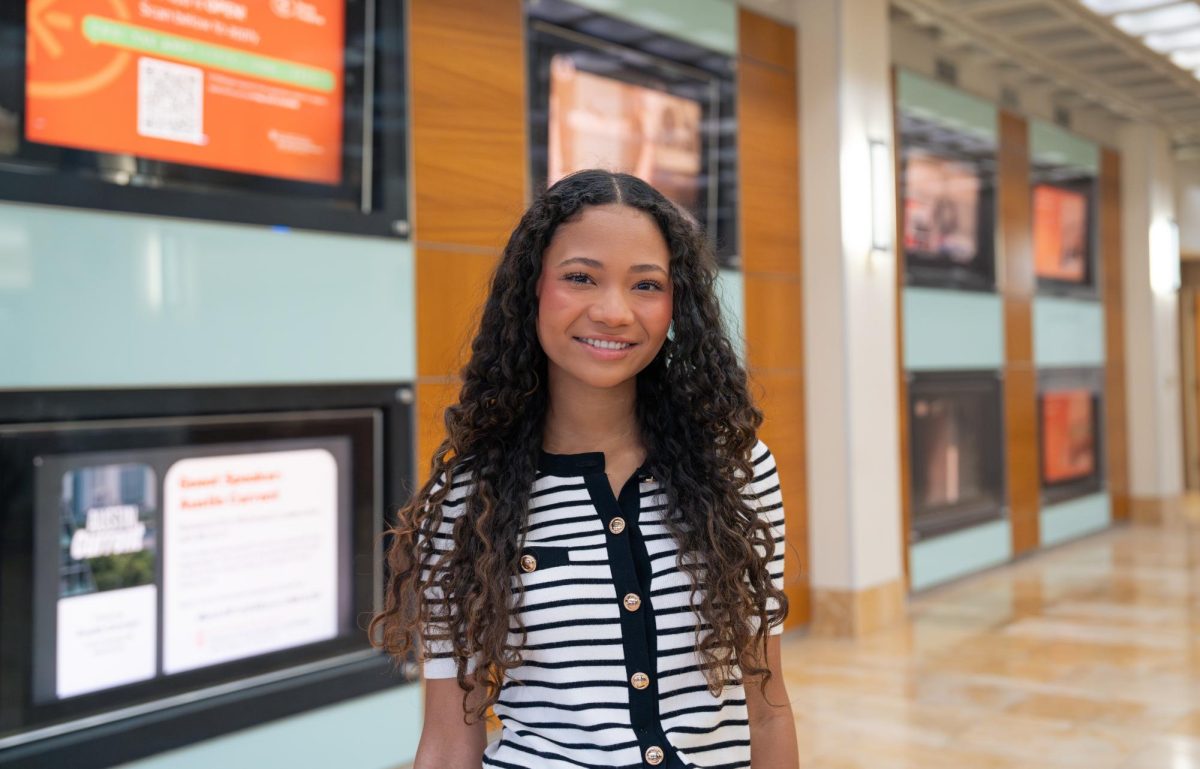
Audio Reporter Rhea Chowdhary and Daily Texan en Español Translator Isabella Santos speak with members of Latin Economics and Business Association (LEBA) about its activities at UT and how it serves as a home away from home for members.
Reported and produced by Rhea Chowdhary. Translated by Isabella Santos. Cover art by Key. Music by Pixabay.
**Intro music fade in**
Rhea Chowdhary: With UT’s McCombs School of Business being one of the top business programs in the country, many business-centered student organizations have grown into full fledged communities, building students for career readiness outside of the classroom. However, some organizations invite more international populations than others, allowing the blend of cultures to create a unique environment for students to learn in but also rely on for adjusting to the culture of UT.
My name is Rhea Chowdhary and I am a general audio staffer for The Daily Texan. In this episode, Daily Texan en Español translator Isabella Santos and I will be speaking with Latin Economics Business Association, or LEBA, Project Manager Antonella Canahuati, Community Service Coordinator Sebastian Stetson, and member Mateo Doehner, on what LEBA is and the community fostered through their diverse member population.
**Intro music fade out**
Isabella Santos: In the process of amplifying students for a future in business, LEBA focuses on bringing Latin business leaders to teach members about what the industry actually looks like. Antonella and Sebastian talk about why having these conversations is such an important aspect of the club, specifically their talks with company leaders.
Antonella Canahuati: Nosotros tenemos cada miércoles, se llaman general meetings. Traemos a recruiters, o a CEOs, o a speakers de diferentes compañías, diferentes ámbitos profesionales. Por ejemplo, ahorita, esta semana, tuvimos al CEO de Scotiabank Central America. Y Robert Williams no solo vino a hablarnos sobre su experiencia profesional como banquero, sino que nos contó cómo él llegó a tener una posición tan alta y a ser un líder. Como que nos está formando para hacer los próximos líderes de Latinoamérica y del mundo. Y cada miércoles tenemos esa oportunidad, el networking, el conocer a personas que han pasado por el mismo recorrido que nosotros, casualmente ese semestre, los que han venido a la mayoría han sido alumni. Entonces, saber que hay gente que se formó en ut y ha llegado a ser exitosa en la vida es una parte muy motivante y muy inspiración para nosotros.
Chowdhary: Antonella said the club brings in recruiters, consultants, or speakers from different companies and different professional fields. This week, they had the CEO of ScotiaBank Central America, Robert Williams, who not only came to talk about his professional experience as a banker, but he also told them about how he reached such a high position, training them to be the next leaders of Latin America and the world.
In addition to speakers, every Wednesday they have networking opportunities, meeting people who have gone through the same journey as them. Antonella mentioned that most of those who have come this semester have been alumni, which is inspiring and motivating as they come from the same educational background.
Sebastian Stetston: Creo que es muy importante todo lo que dices y todo lo que resaltas y subrayas en lo que dices, no. Es muy importante que, como tú dices, tuvimos alumni este semestre de speaker, uno que me resaltó mucho es Felipe Delgado es CoFounder CEO de Merama. Es una compañía valuada ahorita en 1,000,000,000 de dólares. Entonces está muy cañón que no, no son nada más un speakers de que que tú dirás de que alumna es de que a lo mejor trabajan en x, no, como tú dijiste, Robert Williams, que es el CEO de todo Scotiabank Latam y tener la oportunidad de hablar uno con uno, con un un cuate de su calibre, o sea, picarle el cerebro y y tener oportunidades de sentirte en un ambiente en donde, por ejemplo, yo quisiera estar en un futuro, no.
Santos: Sebastian adds on by saying one who really stood out to him is Felipe Delgado, co-founder and CEO of Merama, whose company is currently valued at 1 billion dollars.
It’s cool to him that they’re not just getting to talk to alumni, but having the opportunity to talk one-on-one with someone of his caliber really blows his mind and makes sure it all sticks. These opportunities put members in an environment that trains the social aspects of business for their future.
Chowdhary: However, the officers and members make it clear: LEBA is not only about building your skills in business, but building relationships that will last a lifetime. For Mateo, who is an international student from Monterey, LEBA has served a greater purpose through being a home away from home.
Mateo Doehner: Sí, me hizo definitivamente sentirme en casa. Hasta al punto que no extraño más en mis papás mucho. Porque tengo, yo aquí a mi nueva familia,, la gente que yo quiero. Y sí, siento que LEBA me ha ayudado demasiado a ver a la gente que no veo mucho entre semana. Pues de repente me lo topo un miércoles y platicamos del colegio en vez de las cosas que pasan en nuestra casa o cosas diferentes. Entonces, definitivamente siento que LEBA me ha ayudado a sentir que no estoy lejos de casa y sentir que estoy donde, donde sí pertenezco.
Chowdhary: Mateo said LEBA has helped him adjust to UT, to the point that he doesn’t miss his parents much because of the family he has made in LEBA. It has also helped him see the people he normally sees only on weekends throughout the week, such as running into them on a Wednesday and talking to them about school instead of things that happen at home. It helps him feel like he’s not far from home and feel like he belongs.
Santos: Sebastian adds to this, highlighting the unexpected deep connections he formed with people from various countries.
Stetson: Al entrar a LEBA, yo nunca creí que en la universidad iba a hacer amigas de Honduras, amigos de Monterrey, de Panamá, de Perú, ¿sabes? Entonces es muy, padre que este es tu círculo social, no. Ya se convierte en tu mano derecha, no, con el cual te vas a tomar café, que nunca pensabas que iba a pasar. Entonces está muy padre todo eso. Que nada más, como dijo Antonella. Pues todos los pilares que tenemos en LEBA, cada uno se va apoyando de sí mismo.
Entonces es muy padre ver eso. Como Mateo, que es un freshman, que justamente entró a LEBA y hicimos clic. Que es mi cuate, y conoces al otro, que sí conoces a gente de Monterrey que vámonos a Monterrey no. Entonces, muy padre de todo eso.
Santos: Sebastian says when he joined LEBA, he never imagined having friends from Honduras, Monterrey, Panama, and Peru in college, and it’s really cool that they aren’t just your social circle; they become your right-hand people. Like Antonella said, it is like all the pillars they have in LEBA support one another.
In Mateo’s case, he just joined the group and they instantly clicked, allowing them to talk casually.
Chowdhary: When international students arrive at UT, it’s hard for them to adjust to the fast pace and large environment of the university. Antonella, an international student from Honduras, touches on how LEBA makes her feel like she is a part of a large united community, regardless of where everyone is from.
Canahuati: Mayormente, los miembros de LEBA sí, son todos latinos, verdad? Tenemos gente de todo Centroamérica: Panamá, Salvador, Honduras, Nicaragua, Costa Rica. También tenemos mucha gente de México, de Perú, de Colombia.Sí, tenemos mucha presencia hispana. Es la mayoría, pero LEBA también está abierto to all majors and to all nationalities. Tenemos miembros que incluso son americanos, son de los Estados Unidos y ellos join LEBA por su parte social y las oportunidades académicas. Pero yo, en el personal cuando llegué a UT hace dos años, era la única hondureña por acá, verdad? Entonces, llegar acá completamente sola, como les comenté, yo quería estar en LEBA.
Me gusta que tengamos esa oportunidad. Es un privilegio estar acá y esa oportunidad de aprender de las otras culturas y a otras personas, pero llegar a LEBA y saber que cuando ya llegué el miércoles a las seis y media a la a la a la mi, yo puedo hablar español otra vez.
Y yo puedo compartir estas hasta hablar de comida o hablar de nuestra familia, o hablar del clima. Eh, en verdad es, siento que has dado una parte muy grande de nosotros, latinos acá en UT. Ser parte de LEBA cambia completamente tu experiencia como estudiante internacional en UT.
Chowdhary: Anotella said the organization has people from all over Central America, including Panama, El Salvador, Honduras, Nicaragua, and Costa Rica. They also have a lot of people from Mexico, Peru, and Colombia, presenting a strong Hispanic presence.
She feels like it’s a privilege for her to be there and learn from other cultures and other people. She knows that when she gets to the 6:30 Wednesday meeting, she can speak Spanish again. She can share cultural things, even talk about food or talk about families, or talk about weather. It’s a very big part in the lives of Latinos, and especially Latinos at UT, and being part of LEBA completely changes your experience as an international student at UT.
Santos: Sebastian furthers this point, talking about how the community of LEBA focuses on inclusion and helping their international community feel more comfortable at UT.
Stetson: Sí, creo que es como Antonella la decía, no le en una palabra, podría ser comunidad por podría ser familia. Entonces, creo que es justo eso UT es una escuela muy intimidante. Este, muy grande. No sabes ni a dónde ir tu primer semestre. Entonces, saber que LEBA está ahí siempre y saber llegar de qué hoy a los latinos, como a LEBA, no. Este, es muy bueno llegar y que todos te reciban con una sonrisa. Todos te reciban súper de buen humor. Que te inviten a todos, que te hagas amigos, inmediatamente sea donde seas, no sea de Monterrey, seas de Perú, seas de este de donde sea. Creo que es muy bonito saber que, por ejemplo, llegar a UT a una escuela súper intimidante en Texas no este, llegar y saber que hay una comodidad enorme de latinos. Este creo que te ayuda a junto a a justo lo que decían la pregunta, no el cultural shock, de sentirte un poco más, menos homesick este sentirte más en casa, saber qué hicieron la gente que ya ha estado ahí tiempo para no sentir ese cultural shock muy fuerte y saber que pase lo que pas y estamos es una familia, eso LEBA la organización en sí.
Santos: Sebastian said that to sum up LEBA into one word, it would be community or family. UT is a very intimidating school; it’s big and you don’t even know where to go your first semester. So, it’s important to know LEBA is always there and always supporting the Latin community.
Everyone is very inviting and always smiling. You are able to make friends immediately, no matter where you’re from, whether you’re from Monterrey, Peru, or wherever. It’s really nice to know that when arriving at UT, and a new place like Texas, there’s a huge sense of comfort within LEBA.
Having a huge Latino community helps with culture shock, making members feel less homesick through being surrounded by people who have experienced it and can help you adjust to it, knowing that no matter what happens, LEBA is family.
Chowdhary: Hovering over the topic of community, Mateo highlights that the community was not only important for connection, but for his growth.
Doehner: Este para mí, LEBA, este como miembro, no como officer, es un poco diferente para mí, como que es una oportunidad para crecer este sea como persona o este socialmente o profesionalmente también. Este, pues con los speakers que vienen, o sea literalmente aprender de ellos y crecer, este, en mi comunidad, profesional y como que poder aprender qué tengo que hacer con errores que ellos habían hecho que yo puedo evitar, pero también, como decían, es una comunidad de verdaderamente mis amigos.
Este, sean los tailgates este o sean las juntas. Yo voy. Saludo a la gente este ahí conocía muchos los amigos que que que ahorita yo considero mis mis buenos amigos aquí. Entonces sí, con la palabra comunidad. Para mí es increíble este. Una oportunidad para crecer.
Chowdhary: Mateo said that for him, LEBA presents an opportunity to grow personally, socially, and professionally. From speakers, he learns from them and grows his professional community, while also learning from the mistakes they made so he can avoid them. But also, it’s a community of true friends. Whether it’s at tailgates or meetings, he is constantly greeting people, meeting many people who he now considers his good friends. So yes, the word “community,” for him, it’s incredible, but it’s also an opportunity to grow.
**Outro music fade in**
Chowdhary: LEBA goes beyond what its name suggests. Yes, it’s an economics and business association for Latin and Hispanic students, but it also serves as a place where students from various Latin and Hispanic backgrounds can come together and face challenges of college and new environments together. Whether it’s through developing relationships or developing professionally, LEBA ultimately serves as a second home for many of its members.
This was Audio Reporter Rhea Chowdhary—
Santos: —and Daily Texan en Español Translator Isabella Callegaro Santos.
Chowdhary: This episode is a production of The Daily Texan’s Audio Department. More episodes can be found on your streaming platform of choice. Follow us on Twitter @texanaudio, that’s t-e-x-a-n-a-u-d-i-o, and check us out on thedailytexan.com, that’s d-a-i-l-y-t-e-x-a-n dot com. Thank you for listening.