Those interested in practicing law in Texas are no longer required to attend an American Bar Association-accredited law school to sit for the Texas bar after the Texas Supreme Court officially ended the requirement on Jan. 6.
The bar exam is one component that determines whether someone can practice law in Texas. The court first proposed the order and asked for public comment on it last September.
The ABA is an organization that assists state supreme courts and other bar admission authorities in setting out requirements for bar admission, wrote Jennifer Rosato Perea, managing director for the ABA’s section of legal education and admissions to the bar, in a statement.
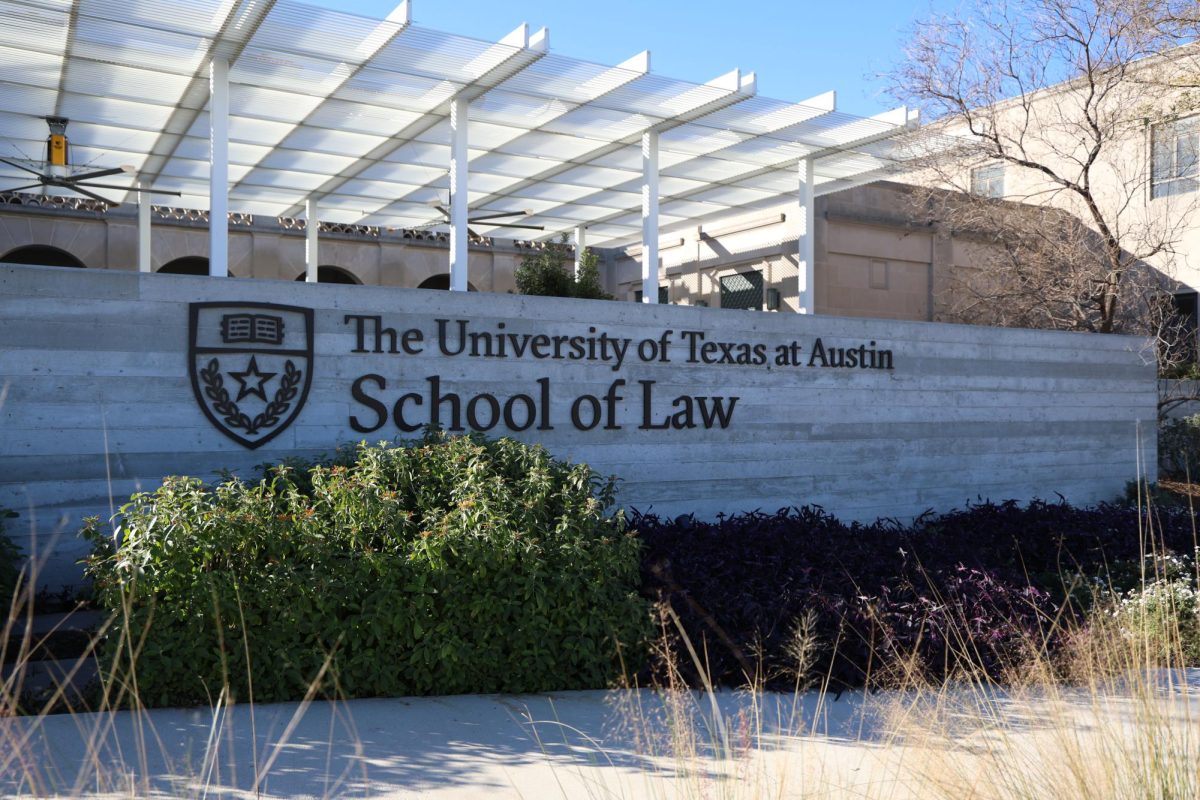
The order allows students to attend any school on the Court’s approved list of schools, which includes every school currently accredited by the ABA. The UT School of Law is included on this list.
This ruling does not mean the Texas Supreme Court will take a new role in accrediting law schools, wrote Christopher Roberts, the executive director of marketing and communications at UT Law, in an email to The Daily Texan.
“All the court has done is say that it will consider letting graduates of non-ABA-accredited law schools also sit for the Texas bar exam, in addition to graduates of ABA-accredited schools,” Roberts wrote in his email. “In other words, they are expanding access to the bar exam, not limiting it.”
In the order, the court said it “intends to provide stability” to schools already approved by the ABA. If, for whatever reason, the ABA removes its approval of a school, graduates of that school could still take the bar exam in Texas.
“The court’s decision doesn’t affect the School of Law or our students at all,” Roberts wrote. “The school remains ABA-accredited and there are no plans whatsoever to change that.”
This order comes after the president of the ABA criticized the Trump administration for targeting judges the administration does not agree with. In April 2025, the ABA filed a lawsuit against the Department of Justice for ending the ABA’s funding “suddenly, and without notice.”
The Court would still allow lawyers who attended school in other states to practice law in Texas and intends to keep Texas law school degrees transferable to practice in other states. However, if a student attends a school not ABA-accredited but approved by the Texas Supreme Court, they may face extra requirements or may not be allowed admission to other state bars, according to the ABA’s Comprehensive Guide to Bar Admission Requirements.
“We will also continue to prove our value as an accreditor, working with state accrediting authorities and law schools across the country to improve our Standards and promote a national accreditation system to the benefit of students, employers, law schools and the states themselves,” Perea wrote in a statement.