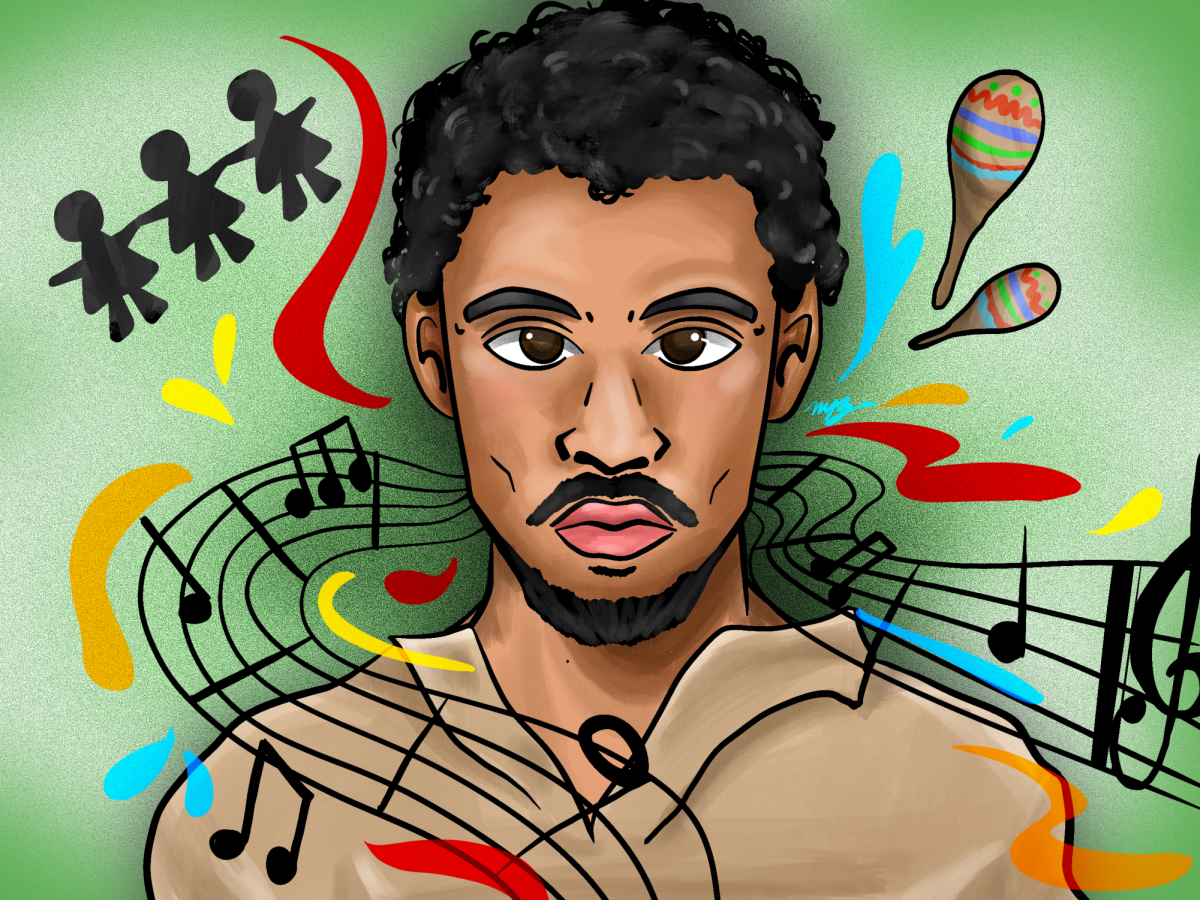
This past Super Bowl weekend, Puerto Rican artist Bad Bunny performed on the biggest stage in America. However, people weren’t debating his choreography or musical talents. Instead, they debated whether he belonged there.
Bad Bunny has previously used his platform to speak out on political matters, and his performance, centered around his Puerto Rican identity and sung entirely in Spanish, caused quite the outrage before even happening. In disdainful anticipation, Turning Point USA went as far as to hold its own “All-American Halftime Show.” Spokesperson Andrew Kolvet claimed it was “an opportunity for all Americans to enjoy a halftime show with no agenda other than to celebrate faith, family and freedom.”
A week before the Super Bowl at the Grammy Awards, many artists used their acceptance speeches to criticize ICE, prompting familiar calls to “keep politics out of entertainment.” Additionally, Bad Bunny’s acceptance speech drew many critics who were outraged by his condemnation of the Trump Administration’s treatment of immigrants.
Generally, opponents believe the award stage is not the place for them. They assert that in the world of the arts and entertainment, people shouldn’t talk about politics. Others disagree.
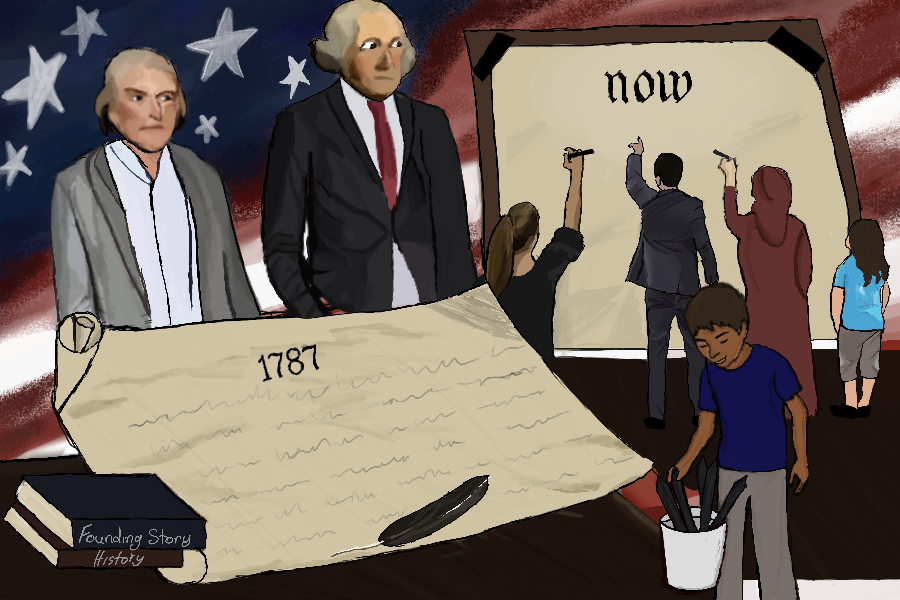
“There’s just no historical precedent for that,” said radio-television-film professor Nathan Cutietta. “This country was founded on people writing pamphlets against the British government, people making songs against the British government (and) writing poetry against the British government. … It’s in our foundation that we use art to mobilize people and say what we want.”
The arts have always provided a stage for unorthodox people — a refuge for expression and individuality. Musicians like Billie Holiday, writers like Oscar Wilde and actors like Mark Ruffalo have all either directly used their medium of art to make political statements or used their stage to speak up.
“Without the introduction of different cultures, different politics, different religions, different backgrounds, ethnicities, countries, whatever that might be, a lot of the art that is loved so deeply by both sides of the political spectrum would not exist,” said radio-television-film sophomore Diyaa Dossani.
The arts have always been a space for people to voice their opinions, and that’s what makes them so interesting. Without the intersection of identity, opinion and culture, art would be of no real substance. The point of art is to express oneself. However, people may feel uncomfortable when encountering differing opinions.
“They just don’t want to be confronted with themselves in a place … where they actually have to sit back and think, ‘Am I making the right decision?’” Dossani said.
She noted that, even within her major, students feel less inclined to make bold statements for fear of being rejected or ignored due to this sentiment.
“There’s certain things that I can and cannot make,” Dossani said. “A lot of it is unspoken (and) a lot of those conversations don’t happen publicly, but it’s pretty well known within the department.”
Bad Bunny, Holiday, Wilde or even Dossani didn’t bring politics into the arts or the Super Bowl stage. It’s always been there, and art does not become political only when it challenges us. It becomes political when people say that certain identities and stories do not belong.
Those demanding that art remain neutral are not calling for peace. They’re calling for silence, and silence has never moved anyone.
Thakkar is a government and economics sophomore from Winter Park, Florida.