Structures are constantly changing across campus at UT, from refurbishing historical buildings or tearing them down to build something new. The architecture of UT is meant to display a brand that leads innovation, sets a standard of excellence and builds a collaborative environment. Within that character includes the identity of its students.
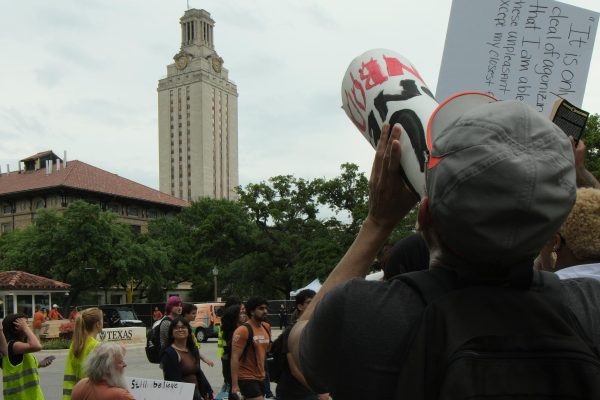
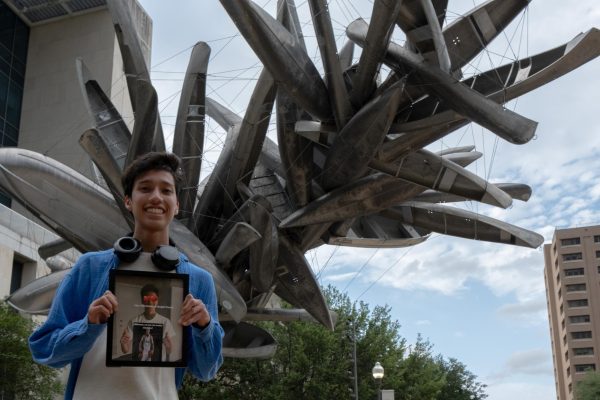
The designs of the first buildings on campus set the message of the University. From 1910 to 1922, University architect Cass Gilbert’s designs were the start of a beautiful enterprise with University Hall, preceding the tower, Battle Hall and Sutton Hall.
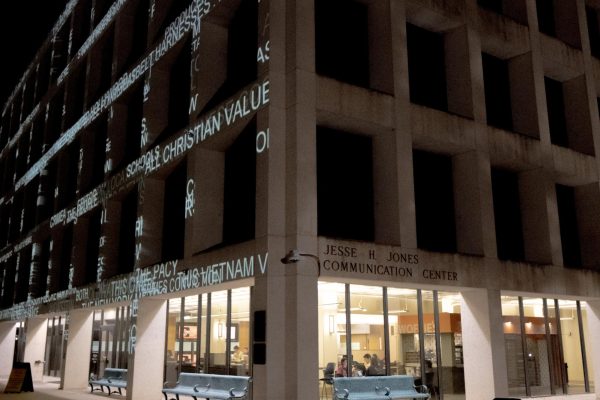
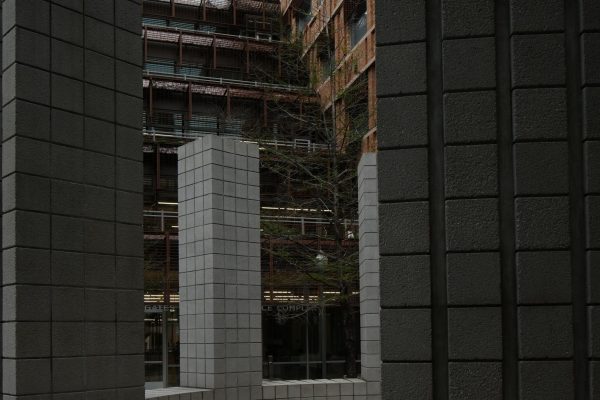
The standard of what new structures followed continued up until what architecture professor Larry Speck described as a “dark period” for UT’s buildings.
“(From) 1955 to 1995 … the University was growing quickly, they just threw up new buildings,” Speck said. “The entire engineering campus, … PCL (Perry-Castañeda Library), they just tore down the Erwin Center. Amazingly, all those buildings are being torn down.”
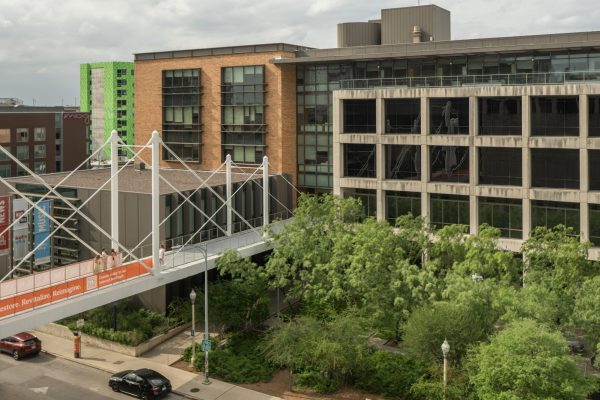
Some are buildings that clash against UT’s commitment to collaboration and innovation. They failed in representing the students, which kickstarted the decision to tear these buildings down in favor of newer renditions.

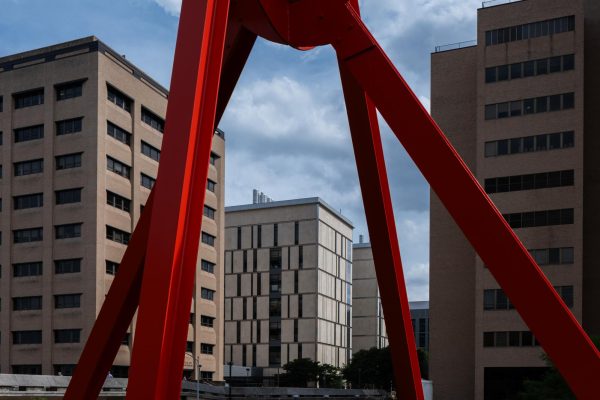
“I’m glad they’re getting rid of the (Chemical and Petroleum Engineering) building,” said Tony Martinez, an electrical and computer engineering sophomore. “There’s grime that can never really be cleaned.”
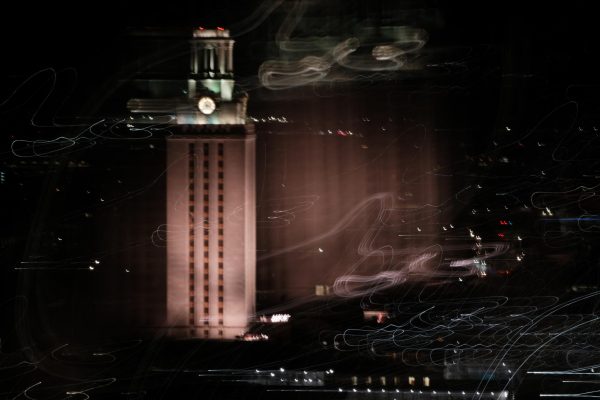
A campus highlight, the UT Tower, will be under restoration until summer 2027.

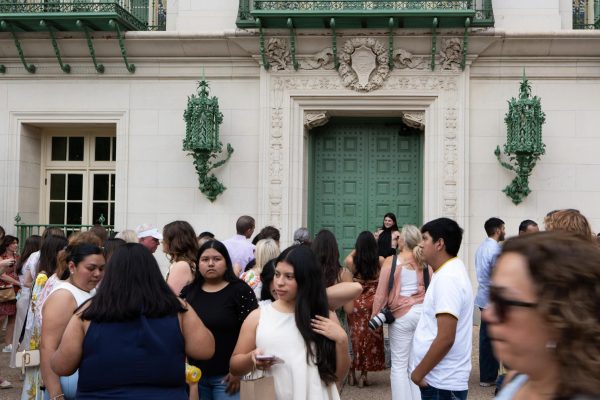
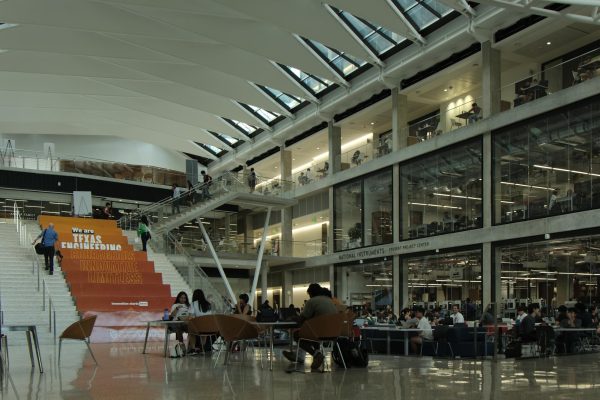
As new buildings at UT are made, they favor functionality. The new engineering spaces include more laboratories, study spaces, hubs and resources. The G. B. Dealey Center for New Media, built in 2012, gave the communications school a home for many of its majors, as well as KUT/KUTX studios and student services.
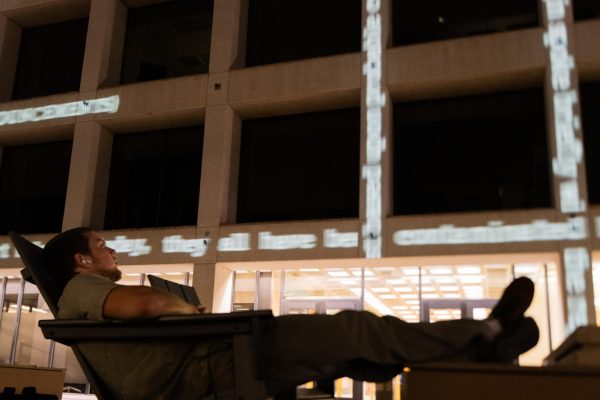
As for the older buildings on campus, some gain additions from Landmarks, an organization that enhances spaces through interactive projects.
“Landmarks serve as a reminder for students to recognize how art connects in those spaces and to just think about a different field of study that supports them,” said Jo Roznovsky, Landmarks’ education programs coordinator.

Having served as the founding director and dean of the Center for American Architecture and Design, Speck and the 1993-97 University president, Robert M. Berdahl, created a master plan that changed how buildings on campus were going to look, creating an impact that echoes through the evolving campus layout today.
“The University used to be a more cohesive entity, and now it’s a little more balkanized into schools and colleges,” Speck said. “It’s been a very good sales tool for getting prospective students (and) prospective faculty members. … It has reflected more the schools and colleges.”