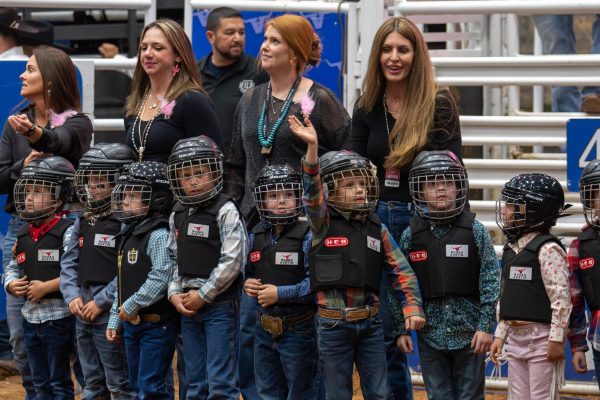
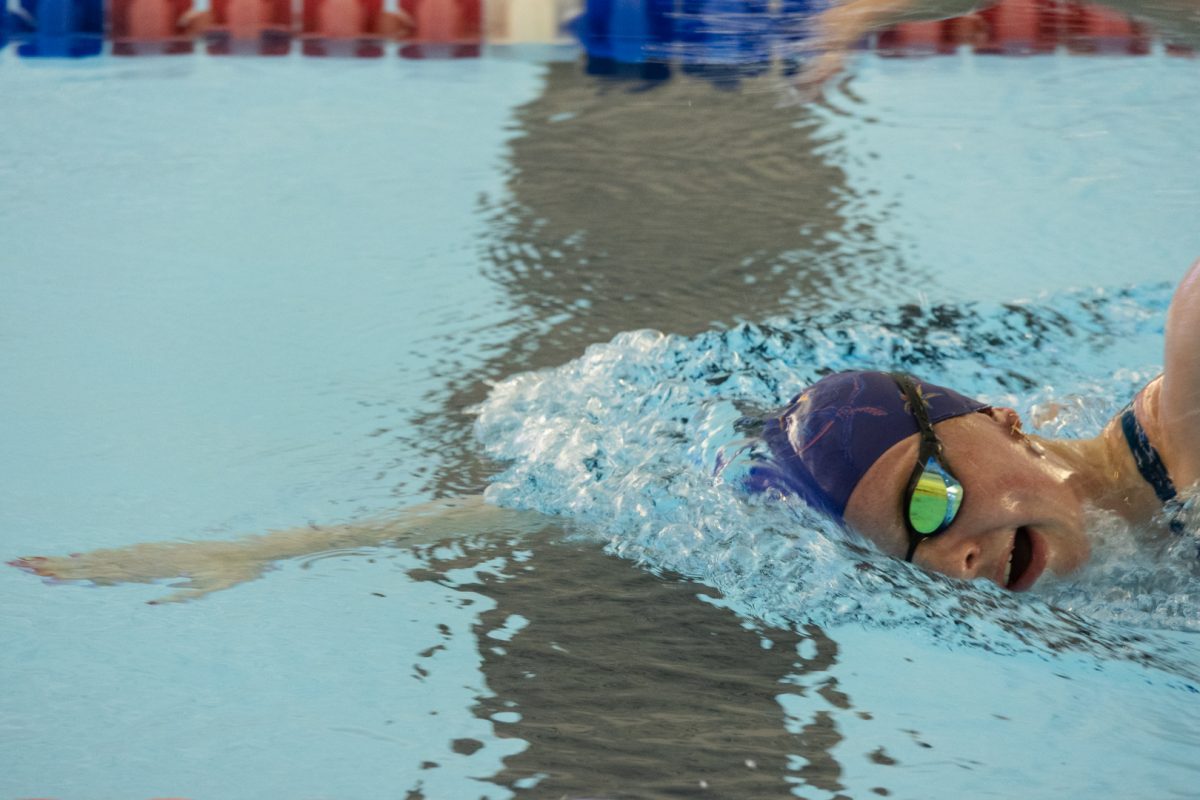
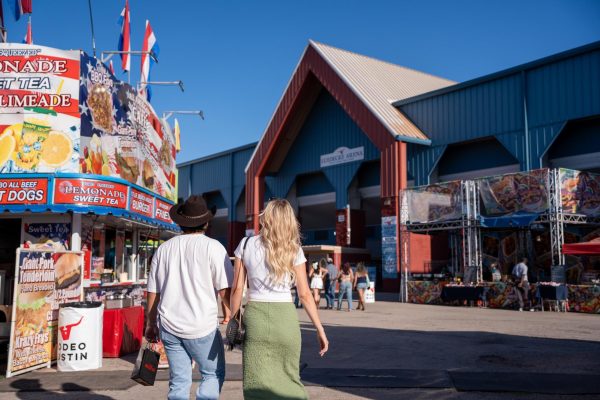
Approaching the Travis County Expo Center, the smell of funnel cake carries out to the parking lot. Rides swirl in the air as children drag their parents through the fairgrounds; nearly everyone has on their cowboy hats and polished boots. The sights signal the start of one of Austin’s biggest annual traditions – Rodeo Austin, drawing longhorns (real and human), Texans and competitors from across the world.
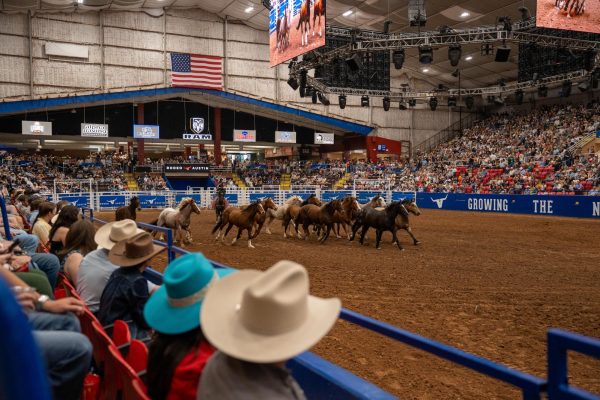
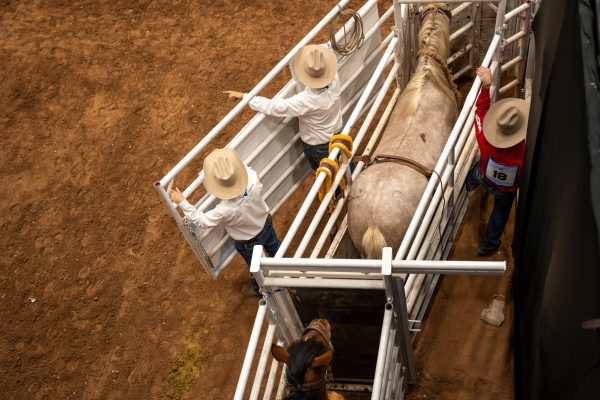
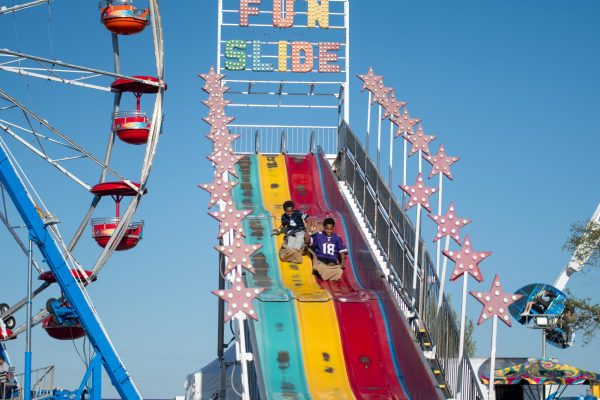
Part of the Texas ProRodeo Circuit, Rodeo Austin started March 13 and lasted 15 days, featuring ProRodeo competitions, concerts, a carnival and a massive youth livestock show.
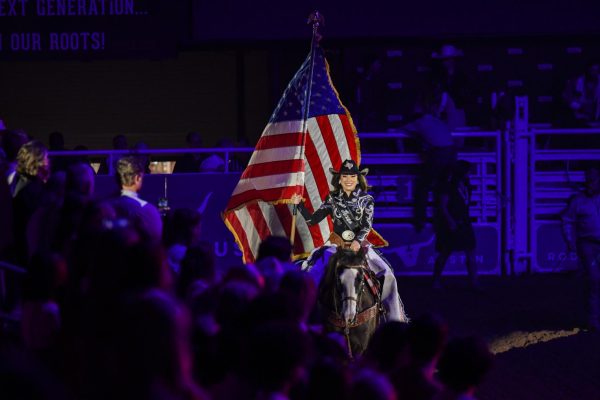
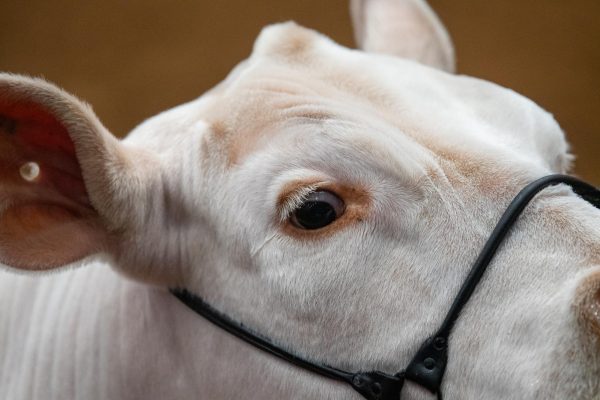
As you enter the Luedecke Arena, people settle into their seats as the smell of livestock fills the room. Announcers with a Texas twang welcome everyone with the Cowboy Prayer, followed by the Star Spangled Banner. The arena lights turn on, and the ProRodeo competition is underway.
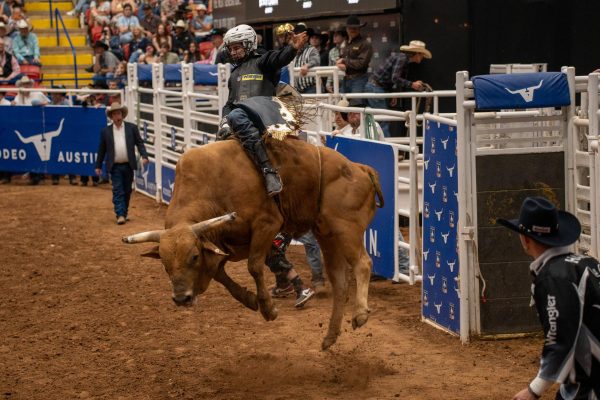
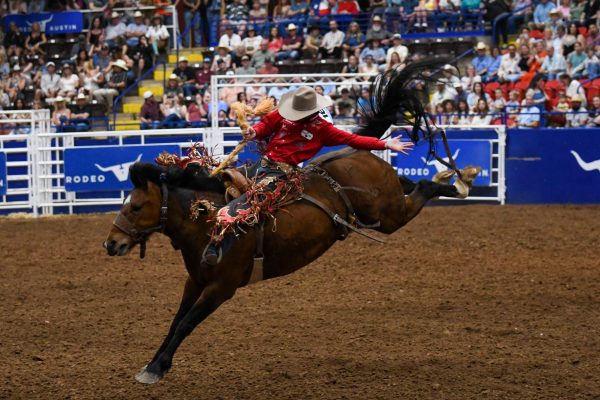
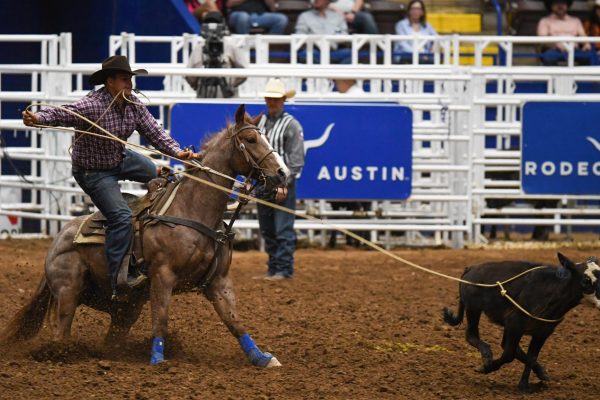
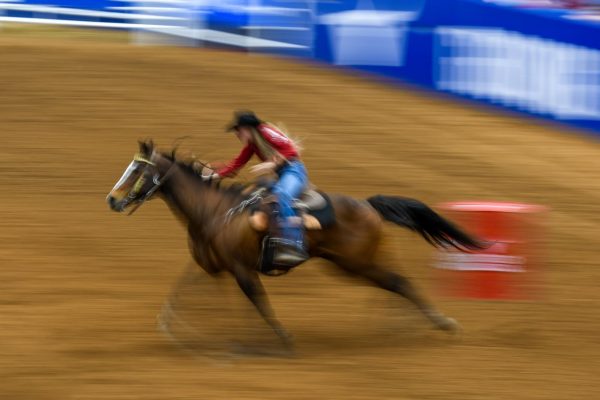
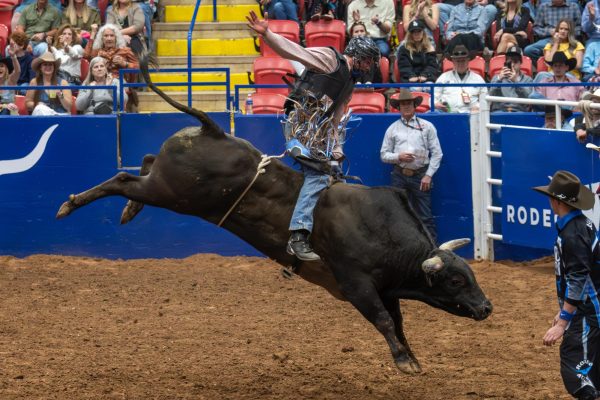
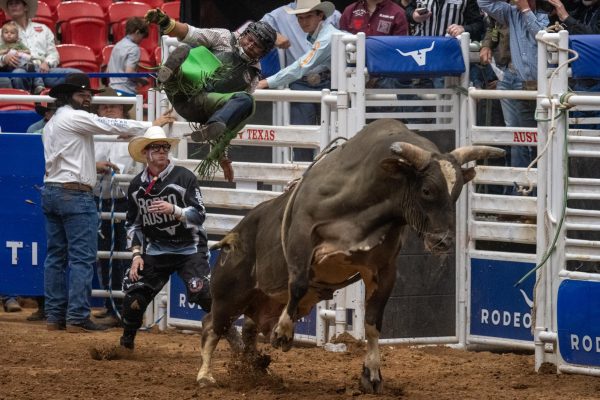
Cowboys take their positions in events like bull riding and saddle bronc as part of roughstock, the types of events one thinks of when they picture a rodeo. They have to ride for eight seconds with one hand, all the while judges score the cowboy and bull alike. Beyond roughstock events, timed challenges force competitors to beat the clock in sports like tie-down roping and barrel racing.
This rodeo season kicked off differently with the Xtreme Bull competition. Elite riders competed against the world’s rankest bucking bulls. This year’s grand prize winner, Wyoming cowboy Dylan Rice, took home $13,476 after scoring 89.5 points.
“(This sport) was a dream to begin with, you know,” Rice said. “And then it turned into a career, and … then the number one priority in my life.”
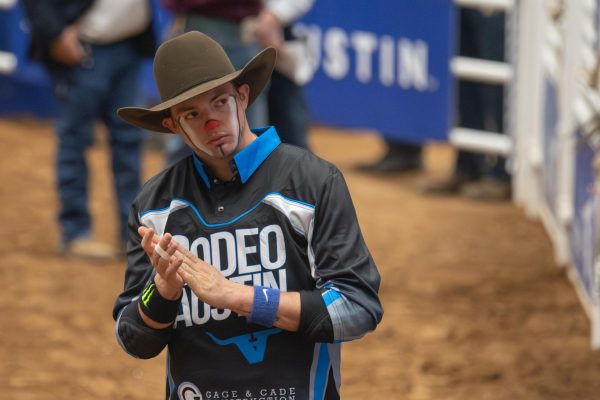
Aside from the entertainment, there’s no shortage of moving parts when it comes to Rodeo Austin. They utilize more than 23 active committees, relying on a network of over 1,000 volunteers.
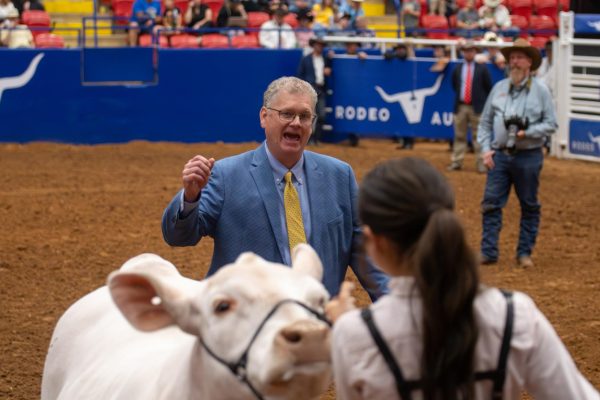
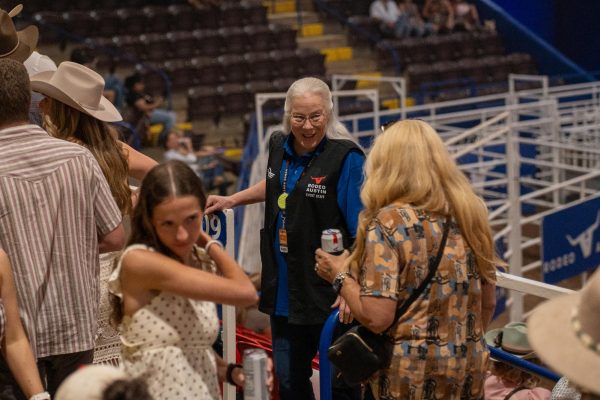
Volunteers help raise over $3.7 million every year to support Texas students, part of the organization’s mission to “grow the next generation.”
“It’s building the future for our children, and carrying on the tradition of rodeo, FFA, animals and learning. It supports the education of these kids,” 10-year volunteer Anita Lundell said. “To carry on the traditions is important.”