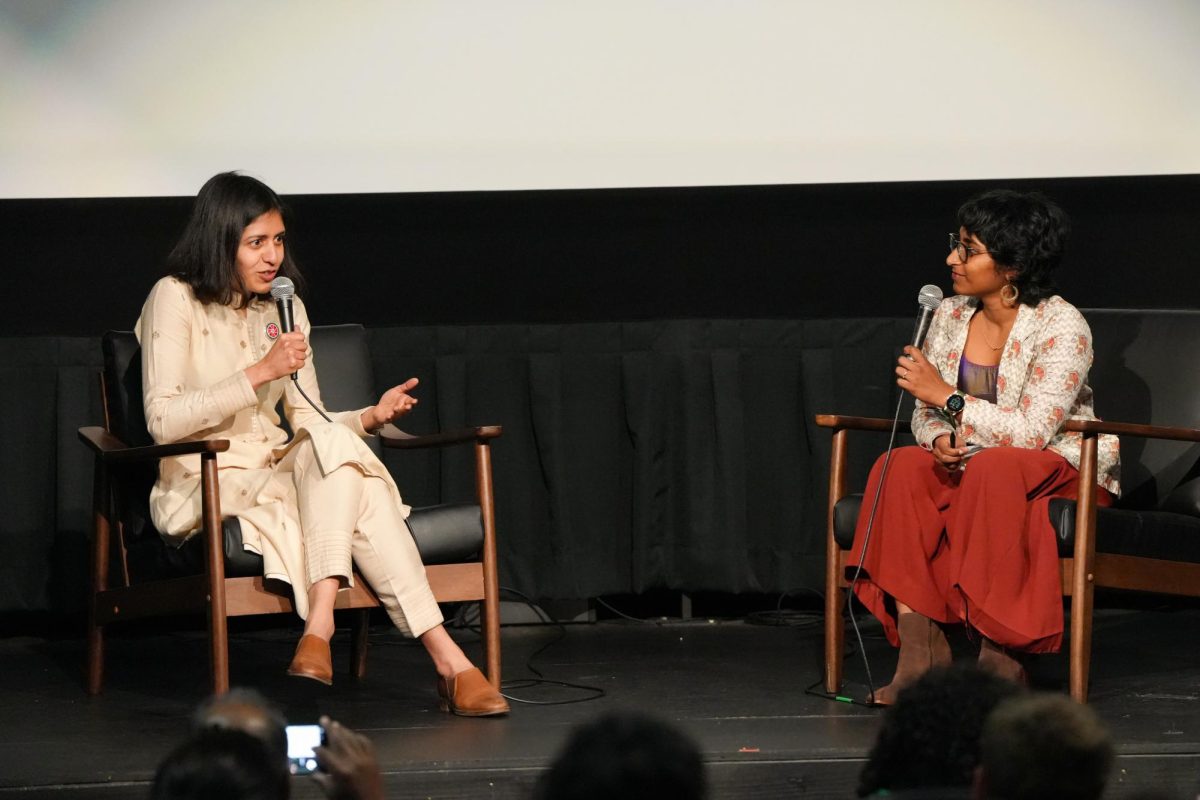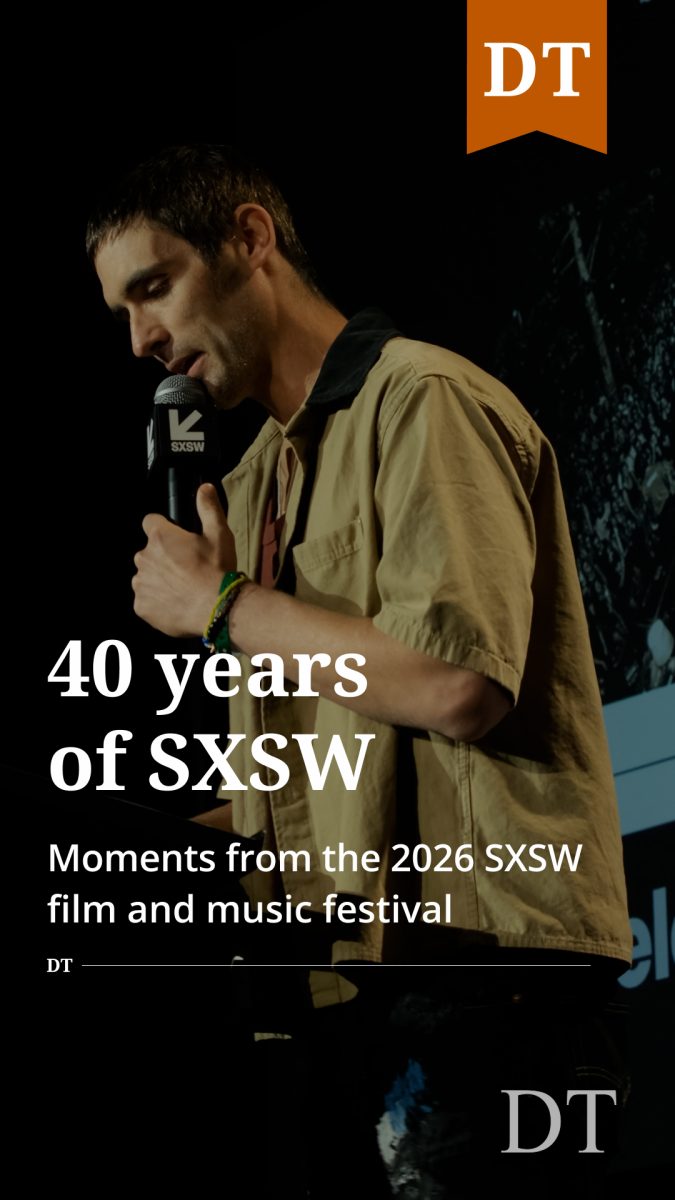
Five years after the release of “Selena: The Series,” 28 years after the premiere “Selena” and 30 years after her death, the first Selena family-supported documentary, “Selena y Los Dinos” was showcased on Wednesday at South by Southwest with her parents, sister and former bandmates in attendance.
Directed by Isabel Castro, the film centers on the life of Selena Quintanilla, a Mexican-American singer from Corpus Christi. Known as “The Queen of Tejano Music,” Quintanilla made waves musically in the U.S. and Mexico. “Selena y Los Dinos” tells the story of how she rose to fame alongside her band and family members, Los Dinos.
The documentary features interviews with her family, husband and two other members of Los Dinos. The documentary, unlike other media, is told through Quintanilla’s voice using never-before-seen videos filmed by the family and unreleased interview footage.
The documentary recounts Quintanilla’s journey to becoming a lasting icon for the Mexican-American community, from coming to love music to winning a Grammy.
Both the featured home videos and family interviews showed the Quintanilla family’s sarcastic humor and close bond, with inside jokes about “running on Hispanic time” (running late), relatable sibling arguments over chips and teasing remarks about clothing styles. The film provides context for some of Quintanilla’s greatest hits, such as “Amor Prohibido,” “Como La Flor,” and “Dame Un Beso,” and the process of making her unreleased English song “Dreaming of You.”
Throughout the film, the commentary and intimate moments with Quintanilla and her family cultivate a strong fondness for their life on the road. Towards the end of the documentary, the family recounts the night Quintanilla was shot. After watching Quintanilla grow up throughout the documentary, audiences will feel like they lost someone they personally knew.
On a harrowing note, the film ends by showing the impact of her legacy with videos of a statue of her likeness, her museum in Corpus Christi and of present-day children singing her music. It also emphasizes that Quintanilla opened many doors for Mexican-American performers, with the idea that “they can take her life, but we’re going to keep her memory alive through her music.”
5 flores out of 5