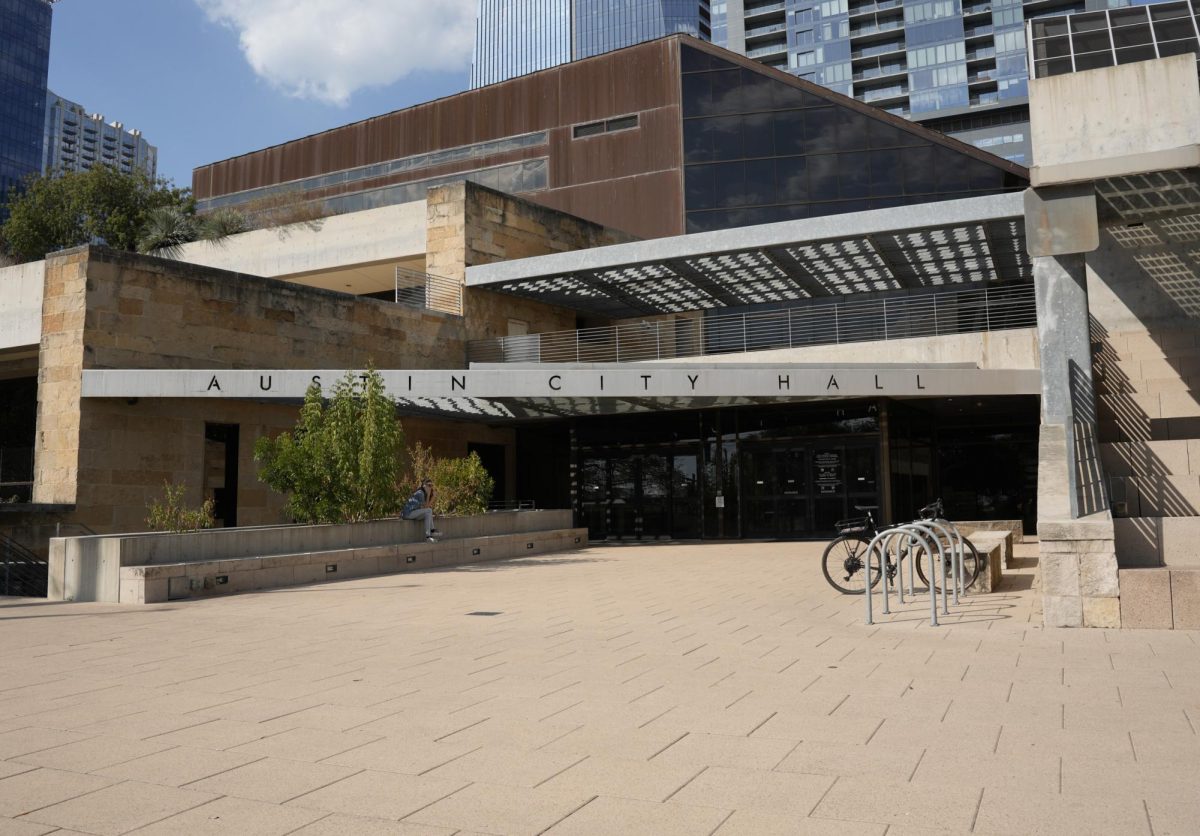
Mayor Kirk Watson announced during a June 10 press conference that opioid overdose deaths in the city and Travis County decreased due to a $2 million federal grant that expanded training and access to life-saving naloxone.
“We’ve seen a decline in overdose deaths here in Austin, Texas,” Watson said during the press conference. “That’s not just a number. It means lives saved, families intact and a community that’s learning how to keep each other safe.”
The grant, administered last May through the Substance Abuse and Mental Health Services Administration, enabled Austin and Travis County to distribute more than 24,000 doses of naloxone or Narcan, which reverses the effects of an opioid overdose. The funding also helped train over 1,100 people in overdose response through the “Breathe Now” program and launched a public media campaign with 56 million impressions on social media, according to a city news release.
“We’ve proven that adequate training and access to Narcan saves lives and can turn the tide on the epidemic that we’re seeing,” said Robert Luckritz, chief of Austin-Travis County Emergency Medical Services. “We’re carrying naloxone on every ambulance, fire truck and police car … so that we can distribute them to individuals in need.”
Travis County Judge Andy Brown said during the press conference that overall opioid-related fatalities in 2024 decreased by 22%, down from 486 to 380. Fentanyl-related deaths dropped from 279 to 179 between the years 2023 and 2024, which represents a 36% decrease.
“This decrease is just the beginning,” Brown said. “Together, we’re building a stronger foundation rooted in compassion, data and a commitment to ensuring every member of our community has access to the resources they need to survive and thrive.”
These local efforts align with Texas’s broader response to the opioid crisis. The Texas Health and Human Services Commission runs the statewide “One Pill Kills” campaign to raise fentanyl awareness and funds the Texas Targeted Opioid Response program, which supports prevention, treatment and naloxone access across Texas, according to their respective websites.
“These (programs) prove what we can do when we work together as a community, as a city and as a county,” Luckritz said.
Dr. Desmar Walkes, medical director for Austin Public Health and health authority for Austin-Travis County, emphasized ongoing strategies during the press conference, including an opioid resource dashboard and continued naloxone distribution funded by opioid abatement funds.
“The city of Austin will continue to support harm reduction, peer support, naloxone training and distribution, healthcare provider training and communication strategies … through a coordinated multi-sector approach,” Walkes said. “We will continue the progress toward our goal of ending overdose deaths.”