Two Austin congressmen spoke at the University on Wednesday: U.S. Rep. Lloyd Doggett, D-37, who announced his possible retirement, and the man likely to take his place as UT’s congressional representative, U.S. Rep. Greg Casar, D-35.
Why are they important?
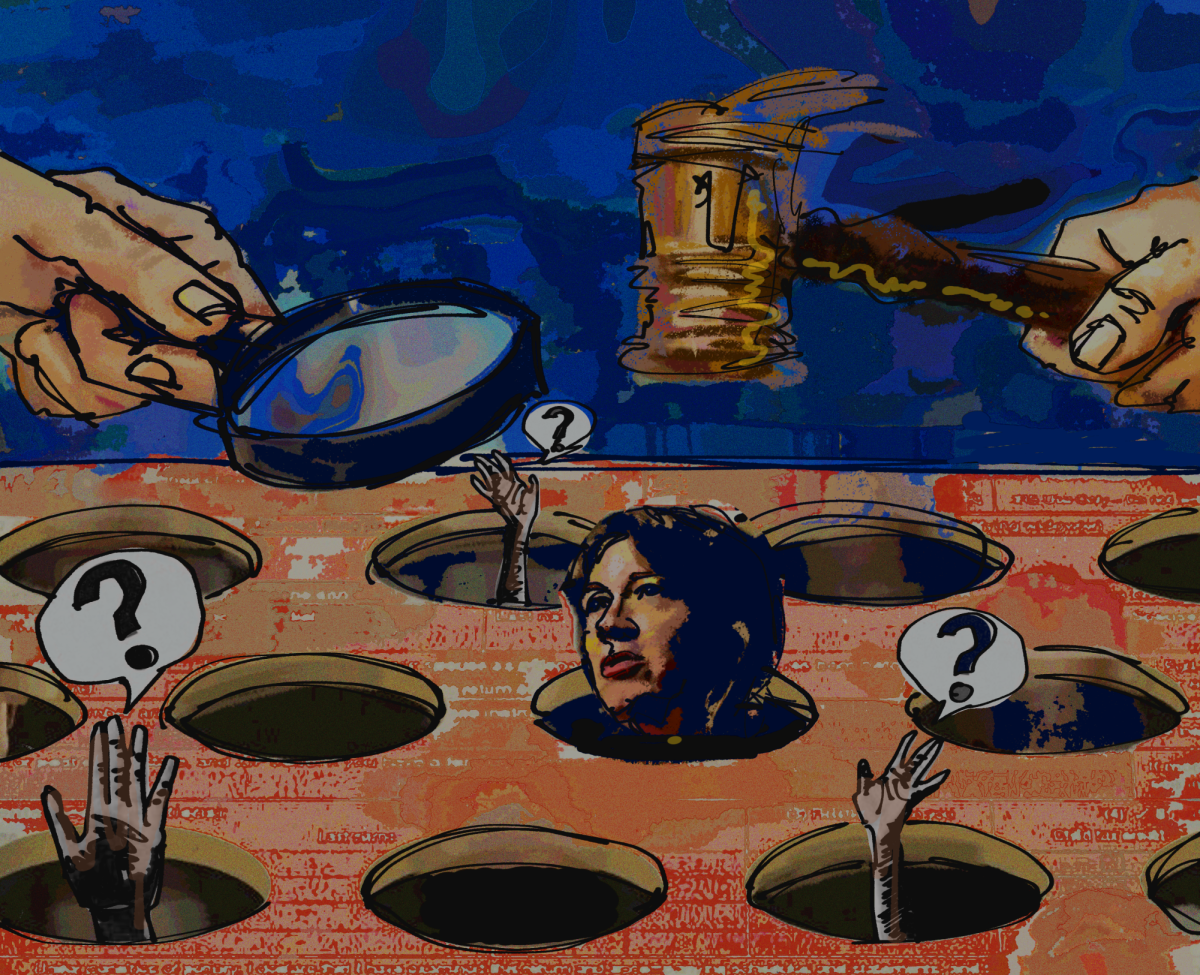
Until last week, both were embroiled in a possibly contentious member-on-member primary election for UT’s district in 2026 due to Texas House Republican efforts to reduce Democratic-leaning districts in the state by redrawing the state’s congressional maps.
However, Rep. Lloyd Doggett, who has represented the University or some part of Austin in Congress since 1995, announced he would cede the district to the younger Rep. Greg Casar if the state’s congressional maps are upheld by the courts. Casar announced he would run for UT’s district on Monday.
Running as the incumbent and maintaining connections to important Democratic constituencies, Casar is positioned as the favorite to win the primary for the seat in March after Doggett’s exit from the race, said Mark Strama, director of the Annette Strauss Institute for Civic Life.
“He’s done a really good job of getting his name out there during the time that he’s been in Congress, and even before that, when he was in city council,” Strama said. “He will probably be really well-financed as chairman of the (Congressional) Progressive Caucus.”
If Casar wins the primary, he is virtually guaranteed to win the U.S. congressional seat. The district containing UT has not voted for a Republican since 2020, when state legislators split the University and West Campus across four different congressional districts. The current heavily Democratic district containing UT was created after the 2020 census gave Texas two additional seats in the House. Strama said this Democratic district was carved out to increase the number of Republican-leaning districts in other areas.
“The way that they are creating more Republican districts around the state is to remove Democratic voters from other districts and pack them into the smallest possible number of Democratic districts that they can,” Strama said.
How will Casar represent the University?
Before becoming a congressman in 2023, Casar was an Austin City Council member from 2015 to 2022. As a council member, he helped pass housing affordability measures, such as the Affordability Unlocked resolution, promoting affordable housing in areas facing gentrification.
Casar said he wants to keep pushing for housing affordability initiatives as UT’s representative.
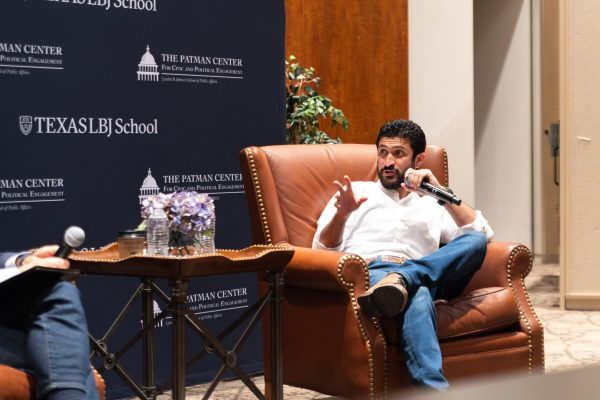
“We have to keep housing construction going in growing areas, and with federal subsidy, you can actually demand that working-class people and middle-class people be able to live in that housing,” said Casar during an event at the LBJ School of Public Affairs.
Casar has also supported housing affordability for students, voting against a controversial redevelopment project of student apartment complexes in Riverside in 2019, citing affordability concerns and a lack of student voices on the project. As a congressman, he called for the Trump administration to reverse an increase on federal student loan interest in July.
“For too long, Congress has focused on the most elite people that already have plenty of money … rather than thinking about the next generation and thinking about students,” Casar said.
While Doggett and Casar were in office together, they supported many similar causes, such as raising the minimum wage and recognizing a Palestinian state. Casar said he will keep fighting for many of the issues his predecessor addressed if he becomes the next representative.
“Congressman Doggett and I have served as leaders in our Progressive Caucus,” Casar said. “We’re aligned on so many of those sorts of issues. I’ve been grateful to serve with Congressman Doggett, I have learned a lot from him.”
What did Doggett say?
Doggett’s career in politics started at the University as student body president during a time of increasing interest in student governance and diversity of the student body on campus. Doggett drew on parallels from his time at UT, working with the faculty senate and Board of Regents to make sure student voices were heard.
Doggett addressed issues including the recognition of a Palestinian state, supporting the LGBTQ+ community and healthcare.
Doggett said he is concerned about the future of American democracy and acknowledged the Trump administration’s handling of universities, the press and the militarization of cities.
“If I sound a little alarmist, I am,” Doggett said.“I am alarmed that not enough American people recognize the dangers that we face. Many people out there think that we thought maybe a little too much about the threat to democracy in the last election, and we should be talking more about kitchen table issues.”
Doggett said the Democratic Party should focus on showing the American people that it is a “working-class party fighting for working families.” He said the party should begin to outline an agenda that a Democratic president could carry out.
“We have a lot of work to do during the month of September,” Doggett said. “If the Republicans let us do it.”