UT RecSports was one of the first intramural programs in the United States, established in 1916 by Berry M. Whitaker. It initially started as a program exclusively for men, until physical training professor Anna Hiss created the first women’s sports club in 1919, marking the start of a separate intramural department for women.
Intramural Sports for Men and Intramural Sports for Women remained separate departments until 1973, when they combined to become the Division of Recreational Sports. Since their combination, UT RecSports has grown to offer 40 sport clubs for students to choose from, giving Longhorns an outlet for competition, training and community.
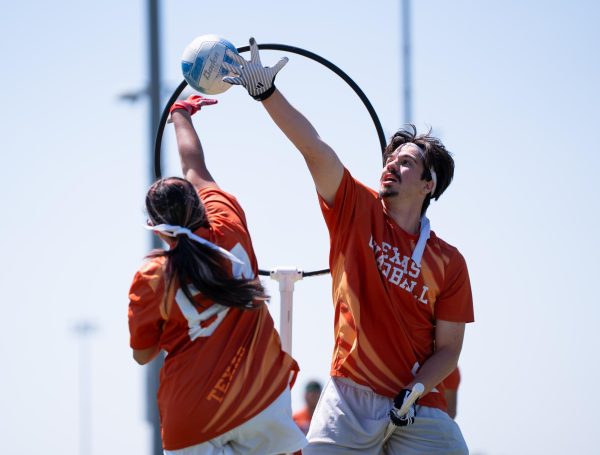
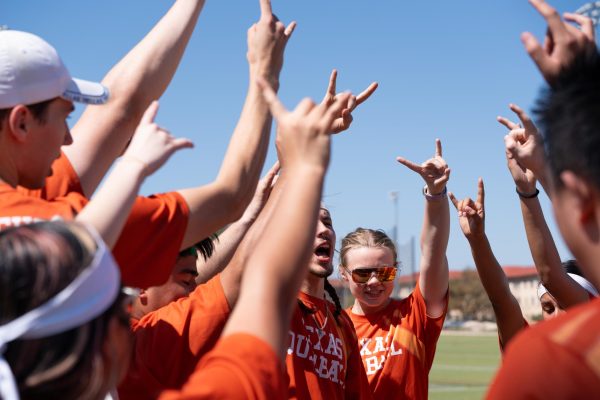
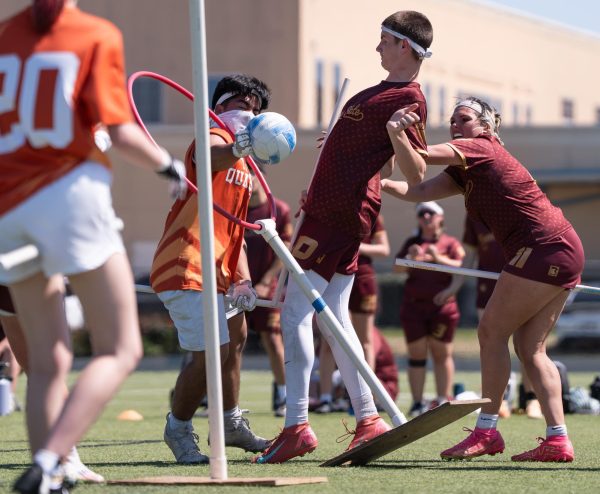
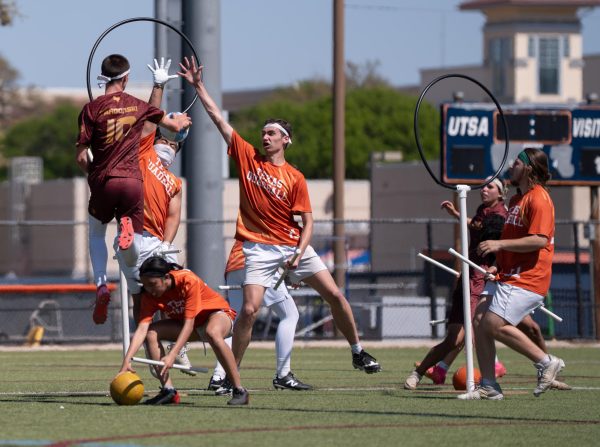
Texas Quadball, a UT RecSports club, is a historically dominant quadball program with five national championship titles. Playing a game inspired by quidditch from Harry Potter, UT’s co-ed quadball team is in the Southwest district, one of the most competitive in the country.
“We are the only team that gets to officially use ‘Texas’ on our roster,” said chemistry sophomore Addison Hewitt, Texas Quadball social chair. “Every (other school in the district) has to use some sort of abbreviation. We’re the only people who get to call ourselves Texas Quadball, which I think is such a flex.”
For many, the clubs are more than a side project; they’re an integral part of players’ well-being. Whether it’s the social factor, the emotional outlet or the physical activity, the athletes rely on RecSports clubs to influence their lives in meaningful ways that other activities may not offer.
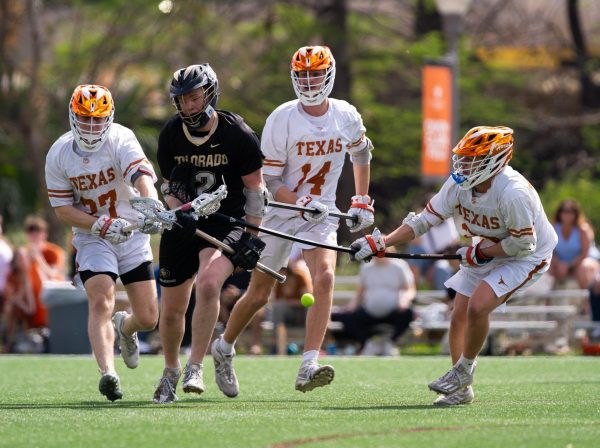
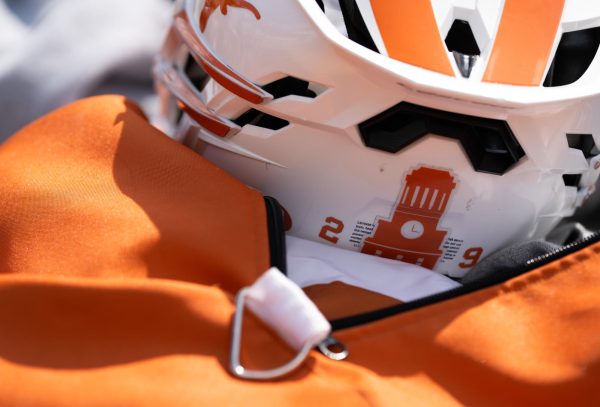
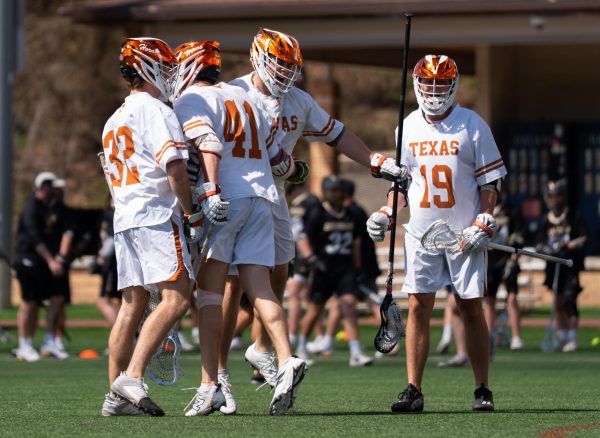
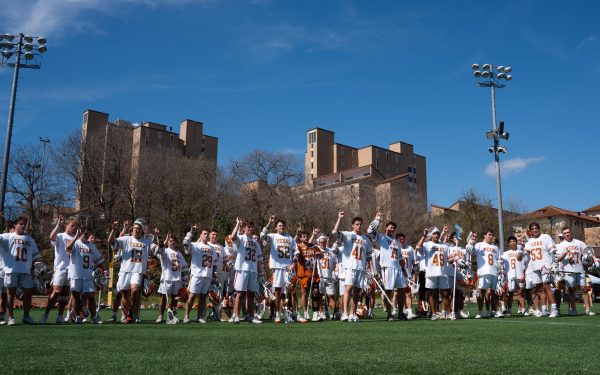
Club teams compete on a state and national level, much like the Texas Athletics teams. Competition is at the forefront of players’ minds – they have fun, but create expectations to exceed when competition comes around, regardless of their sport.
“We have this kind of culture on the team that’s very goal-oriented,” said Texas Men’s Lacrosse freshman Colby Fung. “The idea is that this year we make it to the Final Four, if not the national championship – that’s been our set team goal since the fall … just so that everybody’s on the same page.”
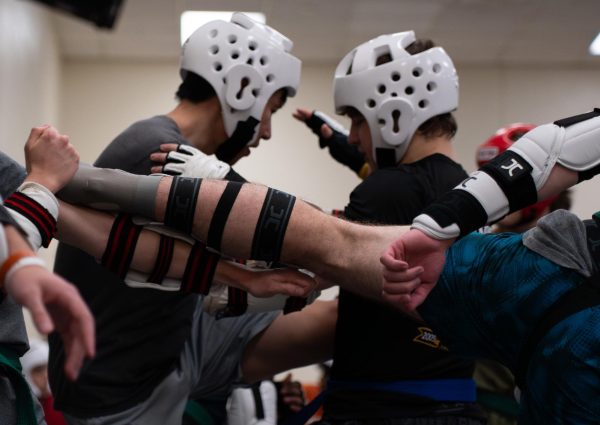
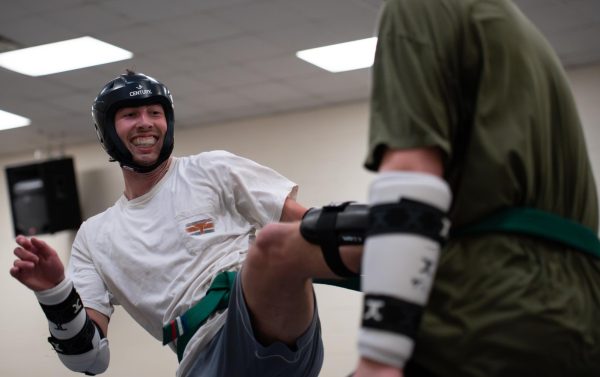
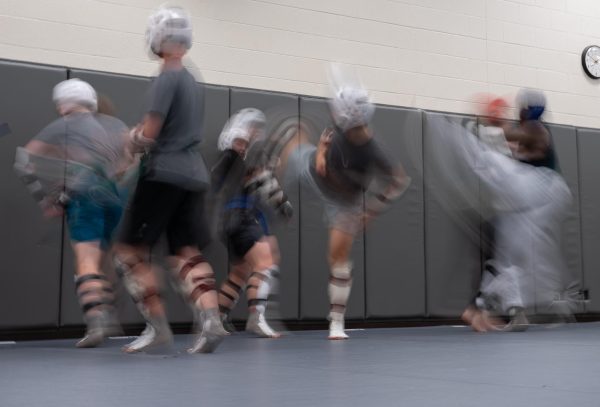
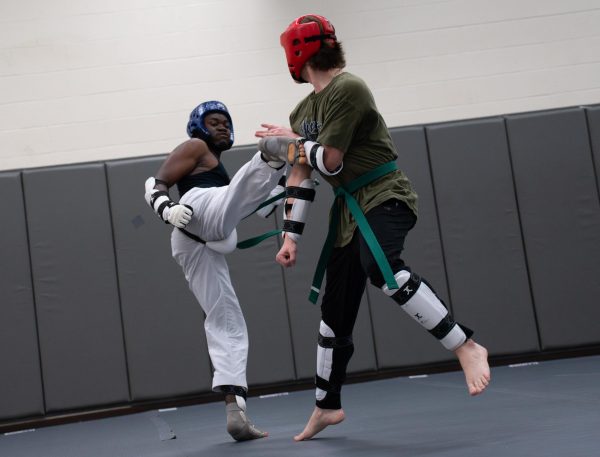
Paired with competition, multiple RecSports club participants mentioned the importance of their sport being a physical outlet.
“It’s very important to me to have a physical outlet, just to let out energy,” said Texas Taekwondo sophomore Tyler Chamberlain. “In the middle of finals week, when I’m sitting in the PCL for hours on end, it’s always a great thing to have in the back of my mind that I can pop down (to practice) on a Tuesday or Thursday, even while tests are going crazy.”
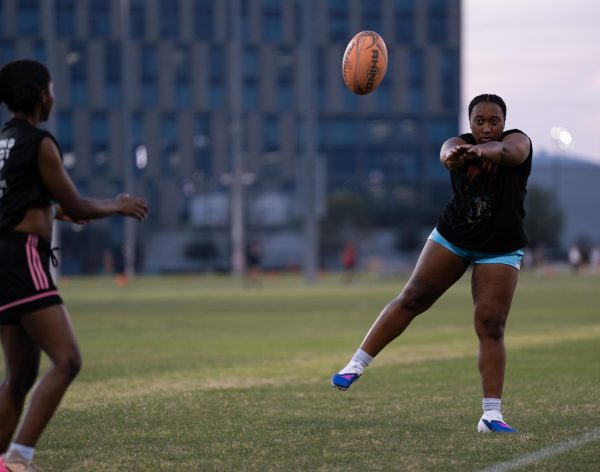
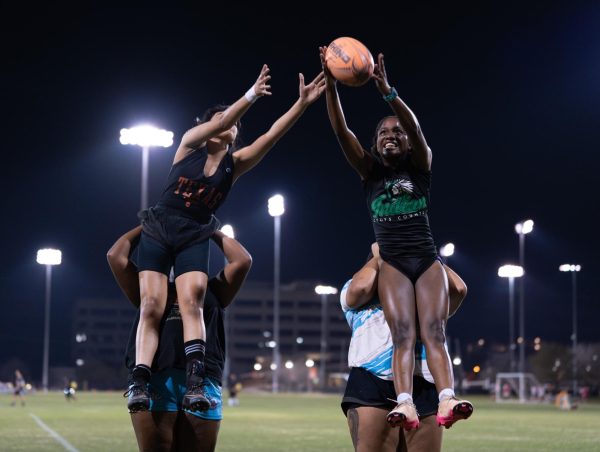
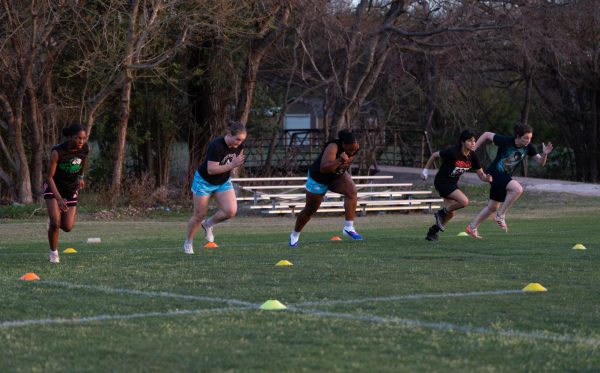
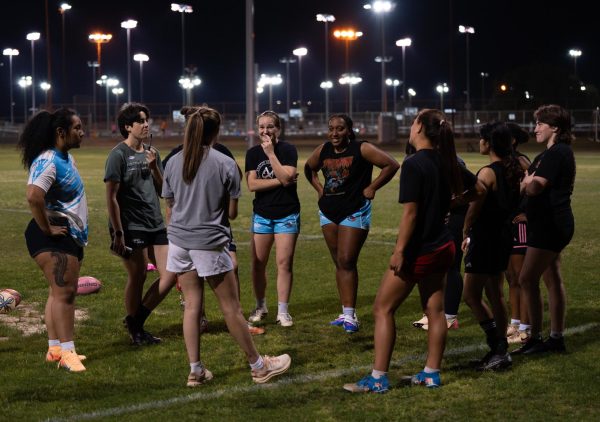
Beyond the physical aspect of RecSports, players have found their community. Members of each club said they’ve felt they’ve made close friends or formed a family-like bond with their teammates, creating spaces for them to grow closer to others at a large university.
“It does give me a community of people I can lean on, and people that I can look forward to seeing, either eight hours a week or on a long car ride 10 hours at a time,” Nia Barkhum, neuroscience junior and Texas Women’s Rugby president, said.
No matter how hectic life gets, or how hard the competition gets, participants in Texas Quadball, Texas Men’s Lacrosse, Texas Taekwondo and Texas Women’s Rugby continue to find a place for competition, training and community.