It’s budget season in Austin.
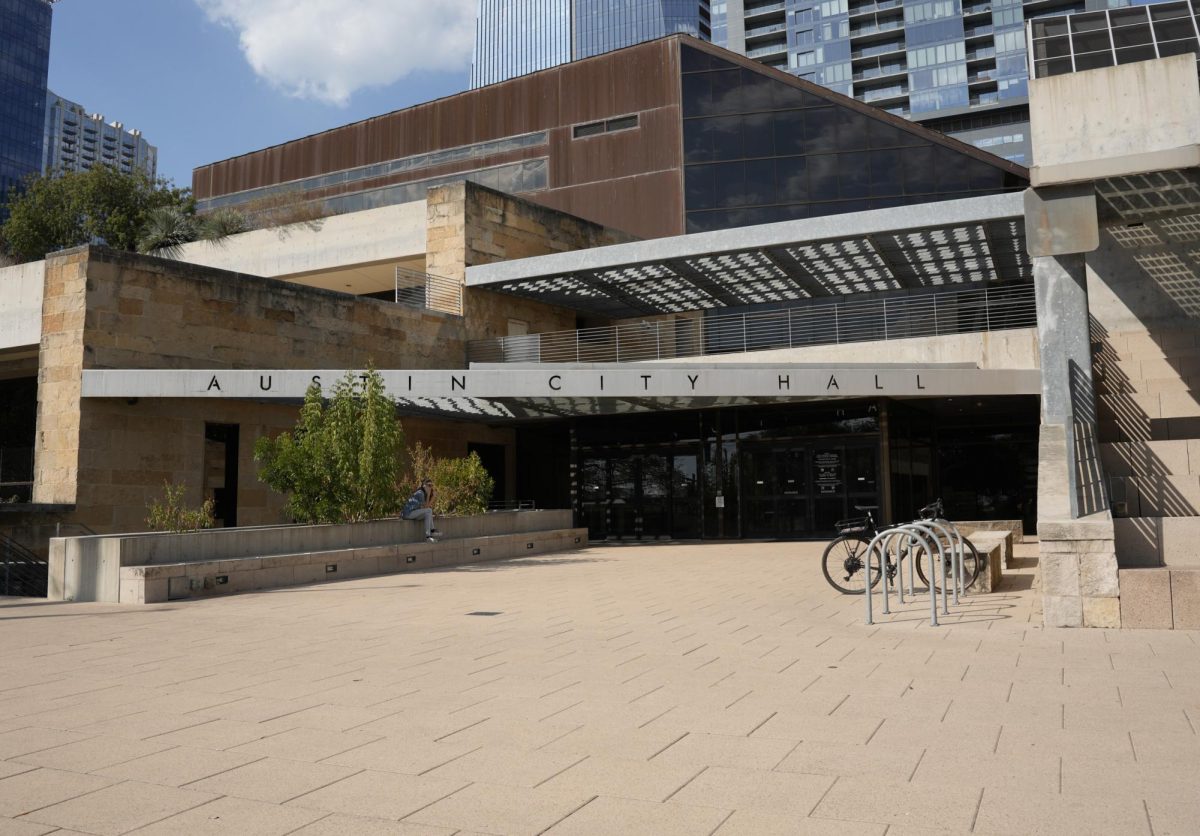
The city is in the four-month-long process of drafting its budget for fiscal year 2026. While reviewing its compliance with federal and state auditing regulations, the Austin City Council Audit and Finance Committee discussed scheduling budget items in a Wednesday meeting.
The budget process for fiscal year 2026 kicked off earlier this month when the Office of Budget and Organizational Excellence presented the Five-Year Financial Forecast Report to the city council on April 8. The city is already projected to spend about $5.7 million over what it gained in revenue this fiscal year, according to the city’s report.
The city faces a projected $33.4 million deficit in next year’s general fund and an $80 million deficit in five years. The budget office urged city leaders to “scour department budgets for savings.” During the April 8 meeting, Vanessa Fuentes, council member and mayor pro tem, said while the $5 million is not a problem, the possible growth of the deficit is.
“It was a sobering update but a critical update for us to receive (and) understand the financial outlook for our city,” Fuentes said. “Hearing that we anticipate a $30 million deficit for next year is deeply concerning, especially at a time where our community is experiencing federal funding cuts.”
The deficit means the city must find ways to cut expenditures on city programs or increase revenue if it wants to avoid deficit spending. Joshua Blank, UT’s Texas Politics Project research director, said deficit spending would make building projects more difficult.
“Most cities wouldn’t want to do that because it would impact their bond rating,” Blank said. “Not only would it become really expensive for them to borrow money, which is how they usually fund capital projects, we would also increase (the) interest they pay on what they already owe.”
According to the budget office, Austin struggled to raise revenue from sales tax this year. The office forecasts sales tax revenue at $7.9 million under its previous forecast for fiscal year 2025 which the city attributed to “economic uncertainty and declining consumer confidence,” in its report.
The report states the city has also struggled to raise revenue from property taxes since the state legislature passed Senate Bill 2 in the 86th Legislative Session, which prevented the city from raising property tax rates by more than 3.5% without an election. The budget office forecasts a 10% decrease in revenue from property taxes for the fiscal year 2026 if current rates are maintained.
Economics professor Thomas Wiseman said cities like Austin tax “inelastic” goods, like food and housing, because they will not see large declines in demand due to an increase in price.
“(Cities have) limited tools, so it has to raise the sales taxes or property taxes,” Wiseman said. “Politically, it’s easy for the state to make a political point by limiting the city’s ability. That then looks like the state is on the side of the people, but it’s a little more complicated than that.”
The city can increase its property taxes if the increase receives a majority of votes in a local ballot measure. However, in his February State of the State address, Gov. Greg Abbott said he is pursuing making cities garner a two-thirds majority to raise property taxes. Blank said this push places the political blame on cities.
“To the extent that people’s property taxes have increased, or their tax burdens have increased over the last number of years, despite legislative efforts to decrease property taxes, it leaves state leadership with a bit of explaining to do,” Blank said. “The explanation that the governor chose during his State of the State speech was to lay the blame at the hands of (the) local government.”