Over the past month, the U.S. Supreme Court issued over 20 rulings, addressing a variety of issues. These decisions could affect millions of Americans and have significant implications for issues impacting UT.
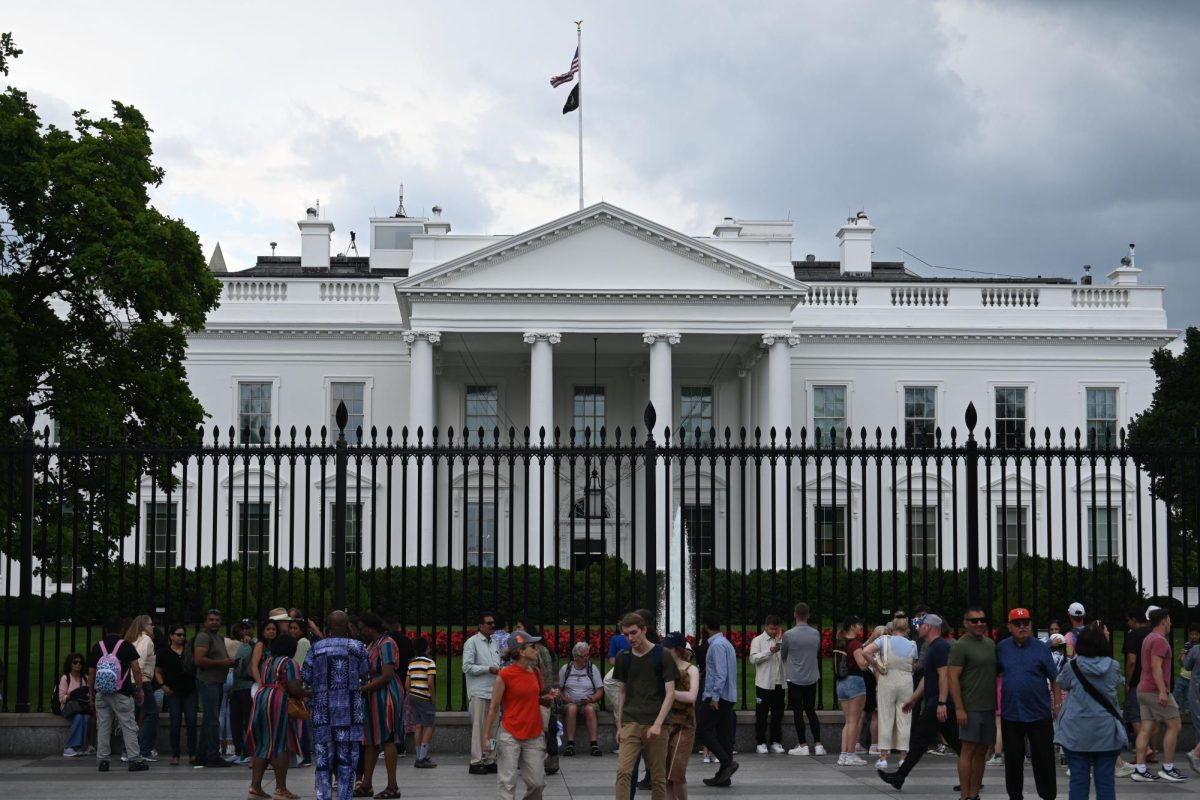
The Supreme Court issued multiple rulings that could impact the Trump administration’s efforts to reduce the size of the federal government and the enforcement of state laws.
Ban on Nationwide Injunctions
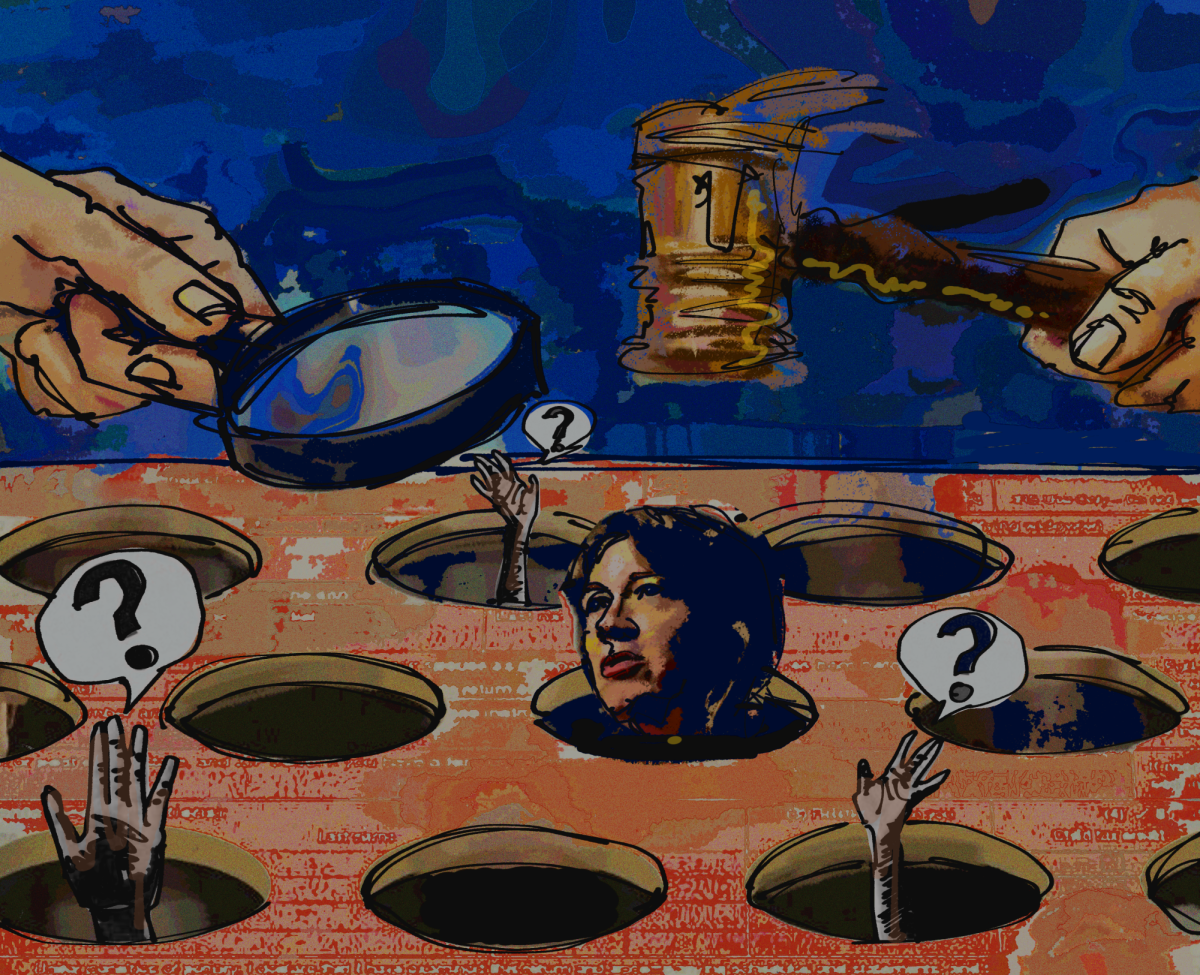
On June 27, the Court restricted how federal judges can issue nationwide injunctions, also known as blanket injunctions. Before the ruling, district court judges could issue orders that affected the entire country regardless of the parties in the case. Now, judges’ orders can affect only the parties of the case in front of them.
“It’s simply going to make it more difficult on plaintiffs,” Lucas Powe, the Anne Green Regents Chair at the UT School of Law, said. “Those people bringing the lawsuit are going to find there’s more hurdles to getting the relief that they would like than there were before.”
Powe also said the new framework could affect cases where only certain state attorneys general sued the federal government. For instance, UT researchers have expressed concerns about grant cuts from the National Institutes of Health. Since Texas Attorney General Ken Paxton has not sued the administration with other states to prevent those cuts, Powe said it is unclear whether Texas universities will be left out of the case results.
This shift could also make it more challenging for federal workers, including those at the Education Department, to challenge the administration’s policies, Powe said.
Following a similar line of reasoning, the Court invalidated another blanket injunction on Tuesday, allowing the administration to move forward with Reduction in Force orders across more than 20 federal agencies without Congressional approval. However, this ruling did not apply to the U.S. Department of Education, which is at the center of a separate legal dispute.
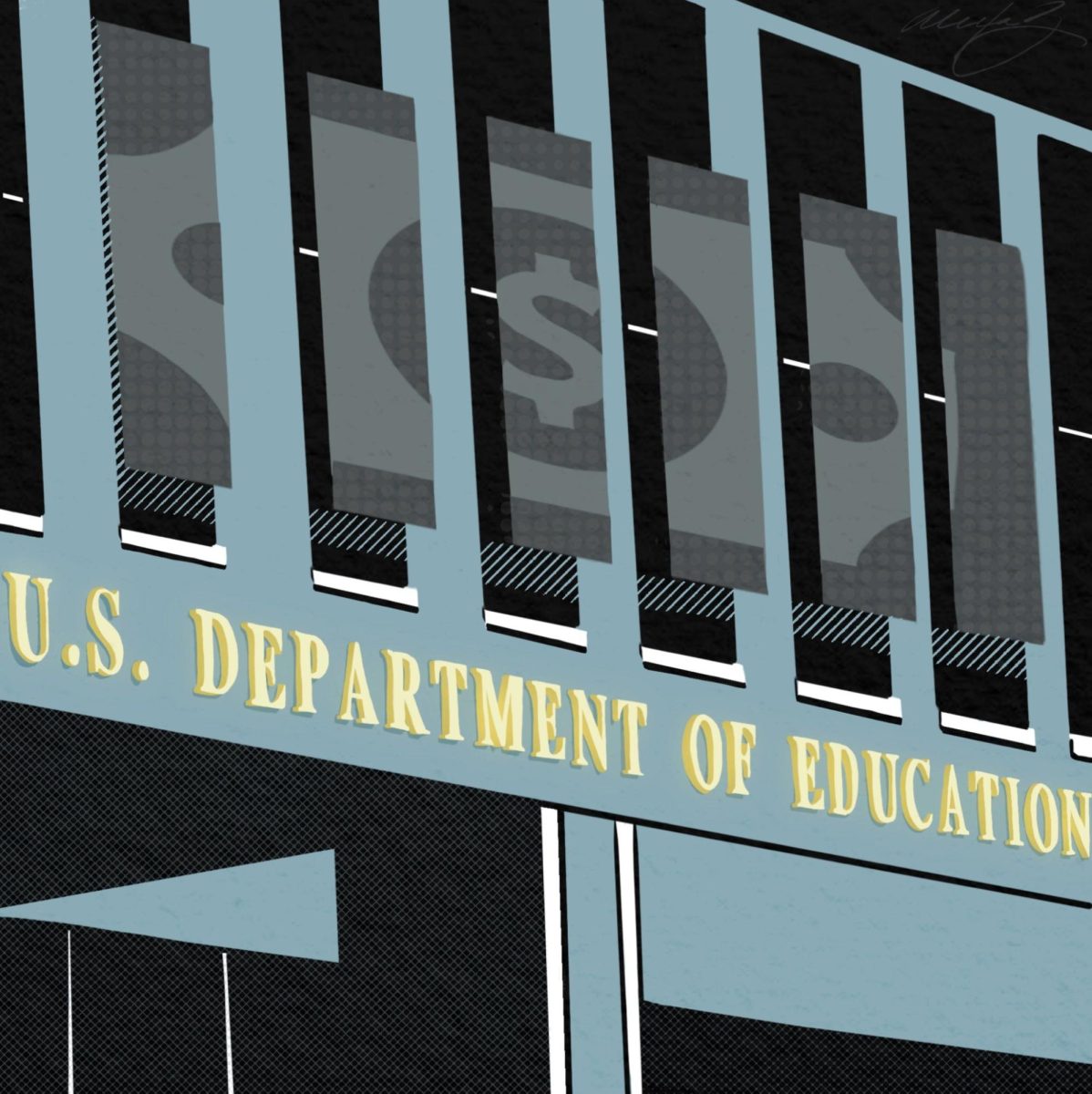
The Department of Education provided substantial grant funding to support the UT College of Education’s research and programs for underserved students in public schools. The department also oversees the federal student loan system and investigates potential civil rights violations in higher education, including Title IX cases. That case remains under review by the Supreme Court, and it also focuses on whether the administration can dismantle the Department of Education without Congressional approval.
Age verification for pornography websites
The Court also upheld Texas Senate Bill 1181 last month, which states websites must verify the ages of their users if over one-third of their content consists of “sexual material harmful to minors.”
When the law was first passed, pornography distributors sued to block it on the grounds that the law violated their First Amendment rights. Texas has been allowed to enforce the law since 2023 as the appeals process has played out, according to an Attorney General of Texas news release.
“This is a major victory for children, parents and the ability of states to protect minors from the damaging effects of online pornography,” Paxton wrote in the news release. “Companies have no right to expose children to pornography and must institute reasonable age verification measures. I will continue to enforce the law against any organization that refuses to take the necessary steps to protect minors from explicit materials.”