The total number of international students in the U.S. increased by 4.5% last year, a slight decrease from 6.6% the year before, according to a report from the Institute of International Education (IIE).
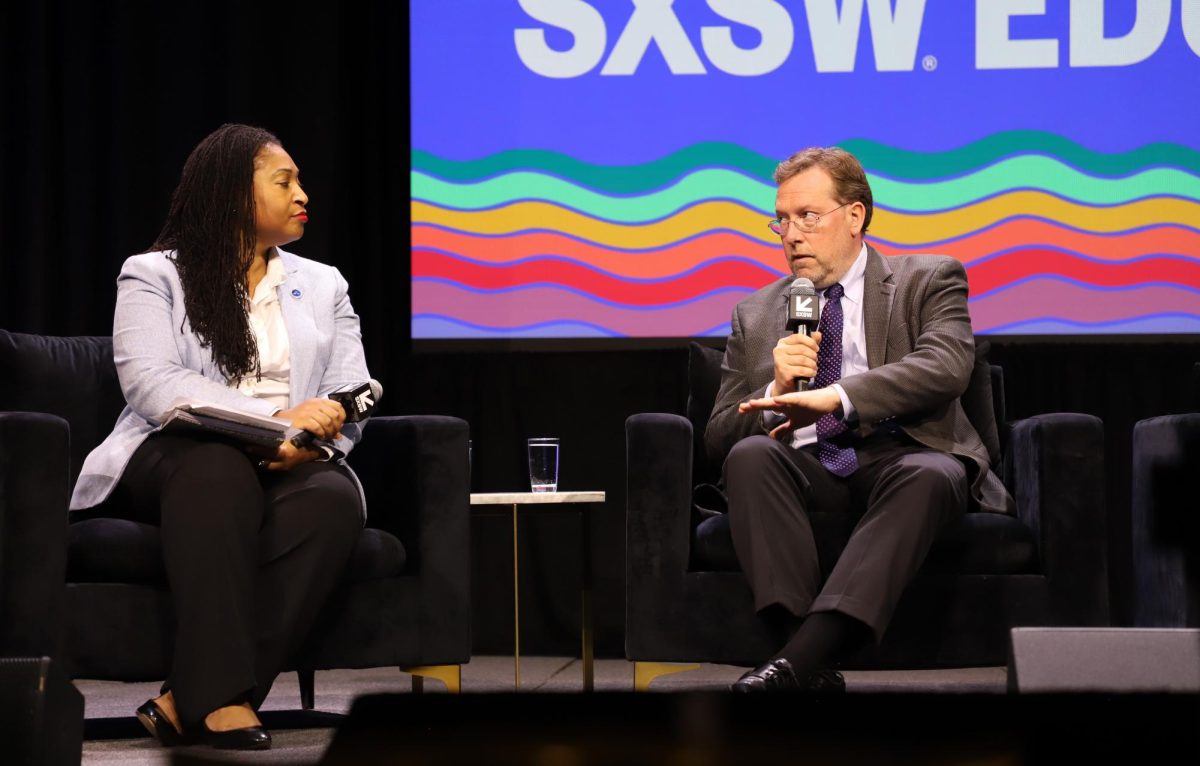
Though the numbers are promising, they reflect a change in global policy as more overseas students look elsewhere for their higher education. Academics discussed the fallout during a SXSW EDU featured session, “New Ground Rules: Shifts in U.S. International Education,” on Wednesday, March 11.
During the panel, IIE president Jason Czyz discussed a decline in international students newly enrolling in American universities, but added that exchange programs actually continue to be popular.
“We remain the premier place to come to receive education,” Czyz said. “The higher education landscape here in the United States is just so different than really any other country in terms of what you can study.”
Texas boasts the third-highest population of international students, which rose about 8% from the 2023 to 2024 school year. Deneyse Kirkpatrick, who interviewed the panel, said those numbers boost the state economy.
“We are really talking about an economic engine that attracts the best and brightest, but also contributes to creating jobs across all sectors in the state,” Kirkpatrick said.
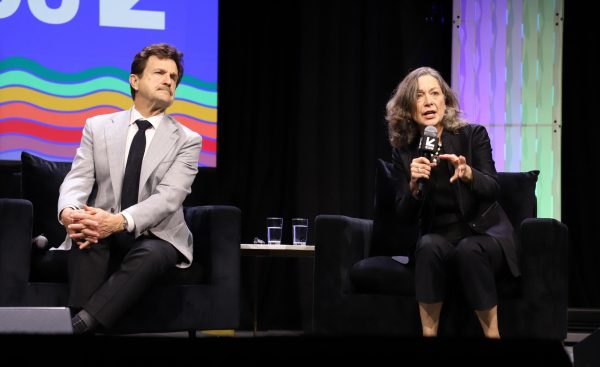
The panel included Texas Tech University president Lawrence Shovanec, who sees about 2,600 international students at his college compared to the almost seven thousand at UT Austin. Shovanec stressed the importance of retaining international students in alternative ways, like offering online schooling while they await visa approval or fostering academic partnerships overseas.
“Faculty are as likely to work with a colleague down the hall as they are with somebody around the world,” Shovanec said. “It’s through those connections that you create this pathway for students to come to your university.”
On the flip side, the U.S. saw fewer than 300,000 students study abroad: a 6% increase from the year prior, but considerably less than the over one million incoming students. Czyz encouraged universities to promote outbound travel.
“For Americans going overseas, there is nothing like an international experience that allows you to discover who you really are,” Czyz said.
Georgetown University professor Vivian Walker said an international education builds perspective, helps maintain public opinion overseas and promotes national stability and security.
“If people understand and appreciate the United States, even if they don’t support all of their policies and actions, at least they have the context and the capacity to understand why the United States may be acting in a certain way,” Walker said. “It’s not that we invite students … to turn into … mouthpieces for the U.S., but rather to give them ideas that they can take back and … integrate into their own contexts.”
Walker said that international students bring unprecedented personal experience, referencing a Ukrainian student and class discussion of the Russia-Ukraine war.
“What my Ukrainian student was able to do in that classroom was to provide an extraordinary human dimension to what was happening on the ground,” Walker said. “I guarantee that her testimony, her accounts, were probably the most inspirational thing that my students heard all that semester.”