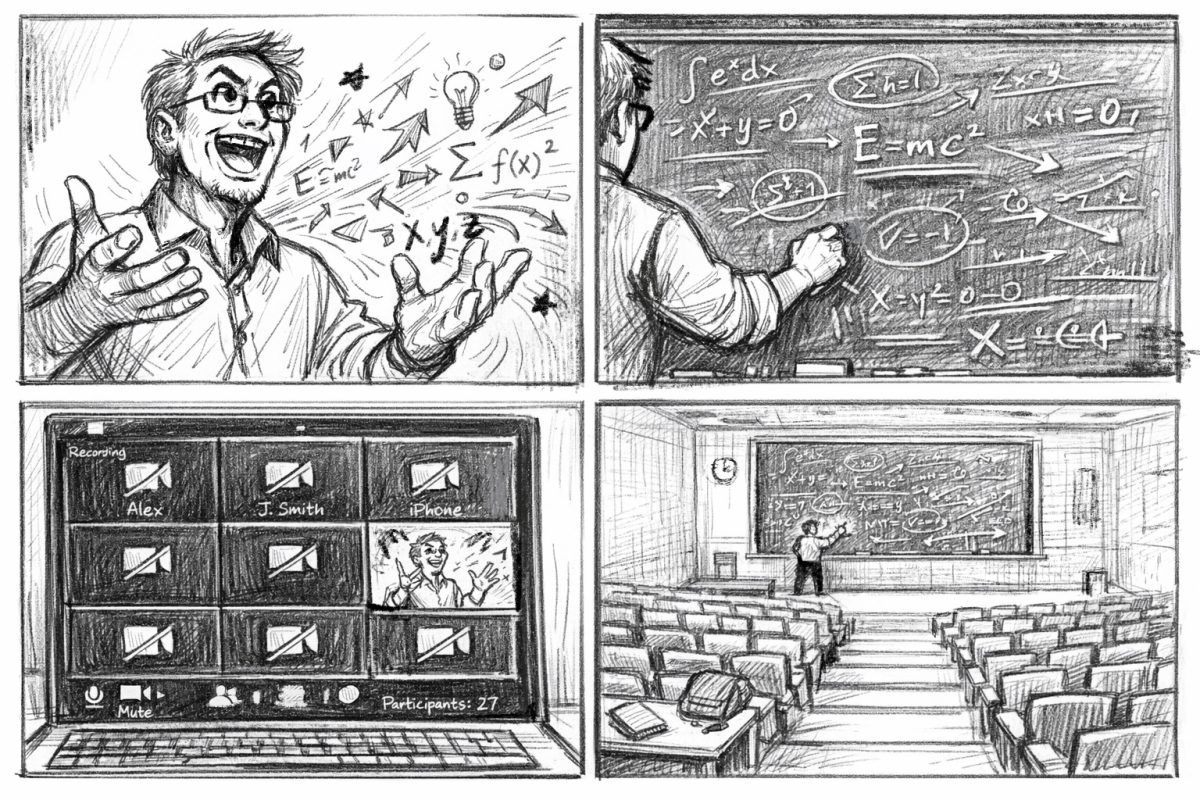
Current political candidates are relying on internet trends and influencers to seem more relatable to younger voters. During the last presidential election, both parties used this strategy. Kamala Harris integrated Charli XCX’s album, Brat, into her campaign, while Donald Trump was interviewed by multiple internet celebrities, including Theo Von, Logan Paul and Joe Rogan. These flashy tactics may grab the attention of voters initially, but many people don’t look beyond the thumbnail.
People tend to listen to influencers because many policies are difficult to understand and it may be quicker to listen to your favorite celebrity. It’s not inherently bad to listen to influencers, but the issue is ensuring credibility. Just like any news organization, you want your source to be well-educated on the topic.
“It’s important to understand that people are really busy (and) the issues (of) today are much more time intensive to understand,” government PhD candidate Clinton Willbanks said. “So it’s not necessarily bad (as long as you trust their) ability to understand a certain topic.”
While politics in social media can engage those who may not have been concerned with politics otherwise, users must draw a line between internet fads and the gravitational impact these candidates’ ideals can have on our country. Being thoroughly educated on the political zeitgeist through multiple perspectives is crucial.
“It’s great that more young people are being reached and feel motivated to participate in the political process because of what they see when they’re scrolling on TikTok,” said Riley McCain, plan II and government freshman and former U.S. Senate page. “Both (parties) are guilty of trying to make themselves look cool. … That can be very harmful because when doing these huge flashy marketing techniques, (users are) not really seeing the policies.”
Viral political videos are usually 15-second clips taken out of context. How much can you really learn about a candidate from these videos?
“When you’re young and an undecided voter, you’re still trying to form your own political identity, (short clips) can be harmful, because you’re not getting the full picture,” McCain said.
College is a time for students to figure out their own opinions, but an influx of content may sway students with little real discussion of policies. Instead of being influenced by social media, explore your own ideologies through researched tests, open discussion and various sources.
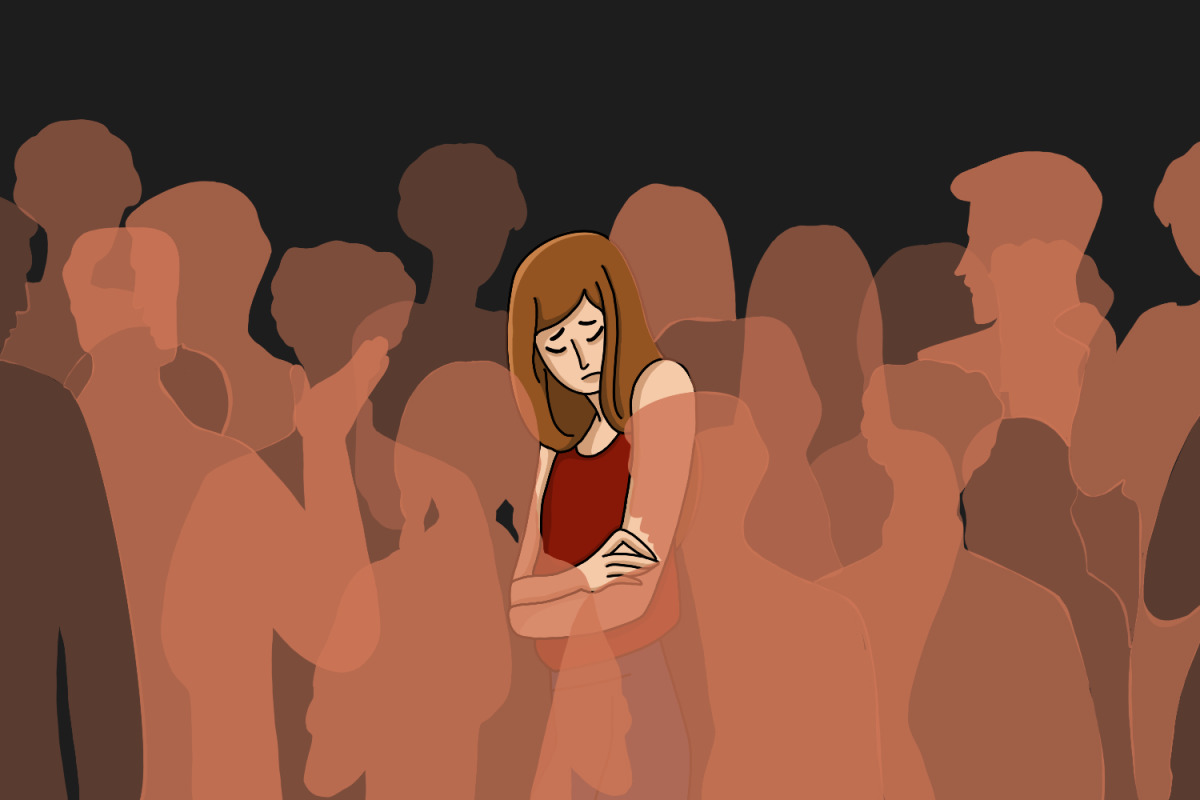
Some decided voters are aware of echo chambers, which is when the same beliefs and opinions are recycled so that the user is unaware of other ideologies. However, they fear breaking out of the comfort of their algorithm.
“Most of us do recognize that there is an echo chamber, but we kind of don’t want to get out of it, because it’s uncomfortable,” government PhD candidate Christine Guo said. “Also, although there’s a lot of political news on our social media, … I think most consumers or students … spend time on social media as entertainment. … So why would I want to spend my entertainment time hearing arguments on the other side?”
Political engagement should go deeper than viral videos and influencer soundbites. While social media can be a powerful entry point into political awareness, it’s not a substitute for critical thinking. As voters, especially first-time ones, it’s important to resist the temptation of easy answers and instead lean into the discomfort of research and open-minded dialogue. Policy-making depends on who we elect, not the influencers who endorse them. So next time you scroll past a campaign trend on TikTok, ask yourself if you really understand what the candidate stands for.
Xu is a government freshman from Fort Worth, Texas.