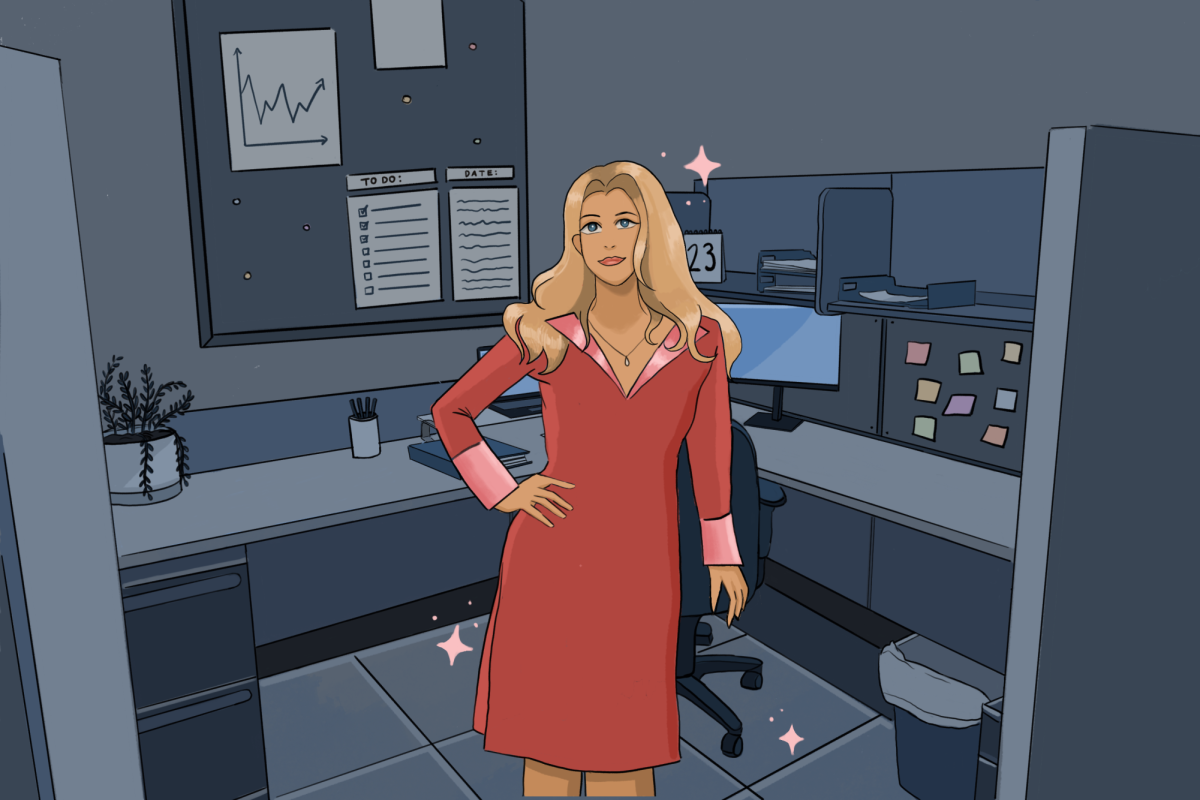
In an era defined by hustle culture and a hyper-digital world, a quiet essential to our lives is disappearing from our routines: the third place.
Sociologist Ray Oldenburg coined the term “third place” to describe the social environments that exist outside of the home, first place, and work, second place. Coffee shops, libraries, parks and local hangouts are where we casually gather, create community and engage in unstructured social time. These are spaces where we weren’t defined by productivity or domestic responsibility, but by connection.
The current economic state has shifted how we spend our time. Eating out with friends feels more like a luxury than a routine. Many students juggle classes, jobs and side gigs, leaving little time or money to unwind somewhere outside of their dorms or workplaces. In a city like Austin, where rent continues to rise, paying to simply exist in a public space, like a $7 latte at a coffee shop, often feels unsustainable. Economically driven political interests (also) impact the lack of public spaces, as certain folks or certain interest groups are buying up these areas and making them private.
Technology has also stepped in to fill the gap, but not always in a healthy way. FaceTime calls and instant messaging have replaced spontaneous meetups. Social media can mimic connection, but it lacks the ambient intimacy of real-life hangouts, those moments of shared silence or people-watching that only physical spaces can offer.
“There’s some developing work in childhood studies … that are emphasizing the ways that young people, ages 6 to 18, are feeling increasingly disconnected from one another when they are in physical spaces, but also in digital spaces or in technologically facilitated spaces,” said Alexander Holt, research assistant professor at Wake Forest and UT sociology doctoral student. “Folks are feeling that disconnection and are articulating a difficulty in being able to experience their emotions because of that lack of physical engagement.”
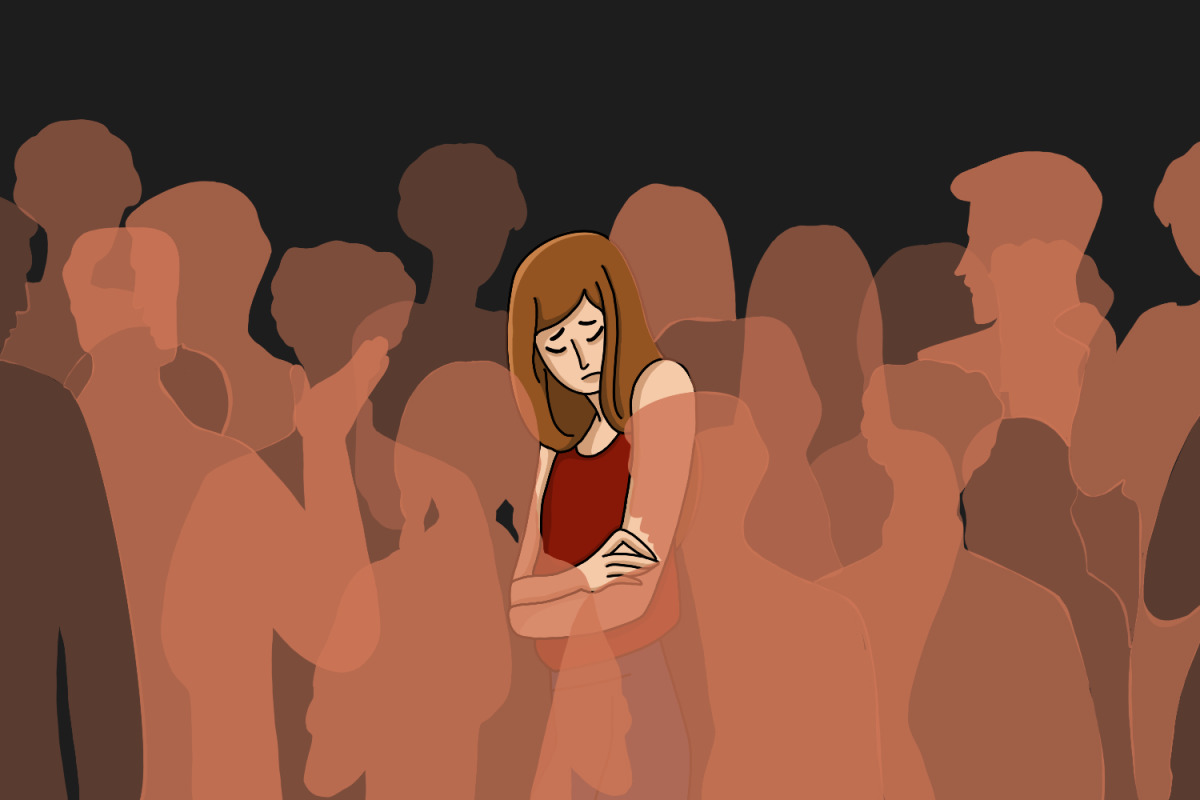
The decline of third places is more than just inconvenient — it’s also a mental health concern. Without spaces that exist solely for connection, play and relaxation, it becomes harder to maintain a balanced life. We risk blending our work and rest into a single, exhausting blur.
“If there’s no place to relax and unwind, then (your stress) is gonna come out somewhere,” said psychology sophomore Lindsey Abellara. “You’re gonna suppress and it’s gonna explode at some point, at home or work. Third spaces and being able to hang out with friends (allows you) to be able to cope better with everyday life.”
But maybe the third place doesn’t have to be a trendy café or expensive venue. In a city like Austin, the third place can simply be a walk.
Walking is an underrated tool we have for reclaiming our social and emotional spaces. From trails along Lady Bird Lake to frolicking in Zilker Park, Austin is full of accessible, no-cost opportunities for connection. Walking with a friend or calling a loved one while exploring the city can provide the mental separation we need from both home and work.
In a world increasingly structured around efficiency and profit, the third place reminds us that community, joy and rest don’t need to come with a price tag. As students and residents of Austin, we can revitalize what connection looks like. Next time life feels too busy or expensive, lace up your sneakers, invite a friend and just start walking. You might find the third place you’ve been missing.
Xu is a government freshman from Fort Worth, Texas.