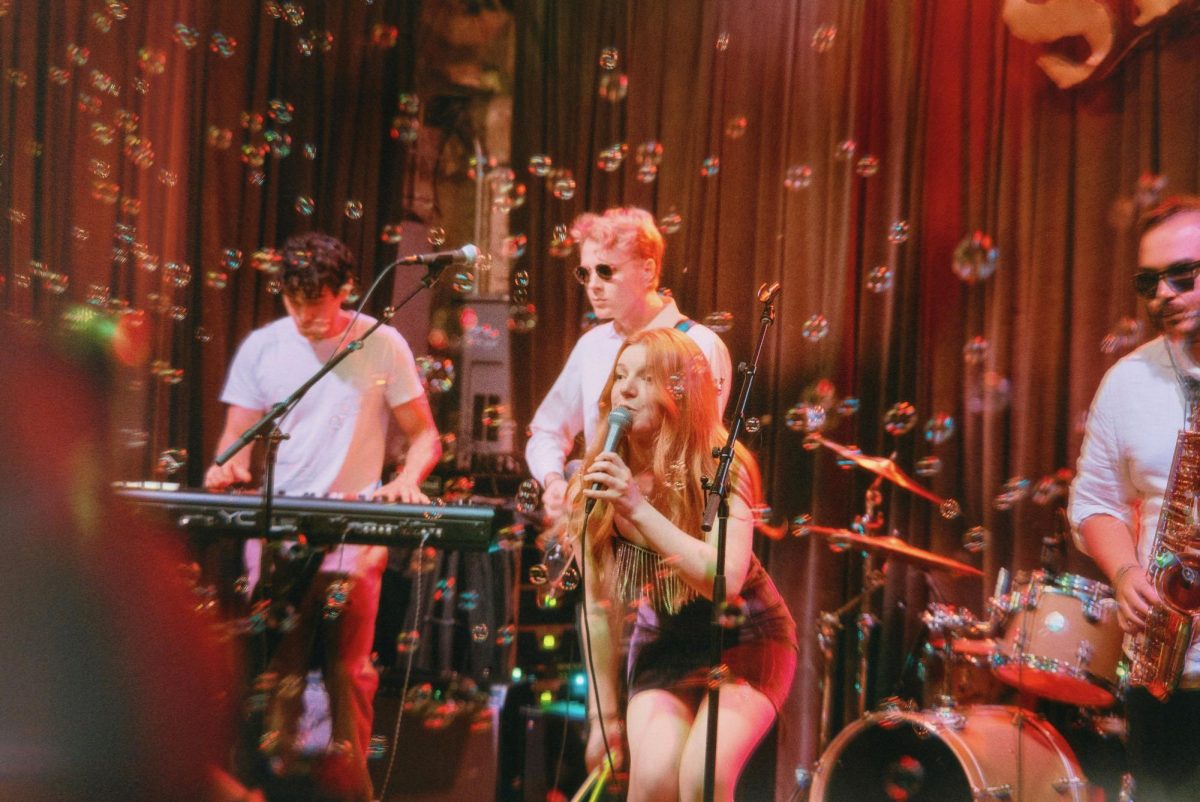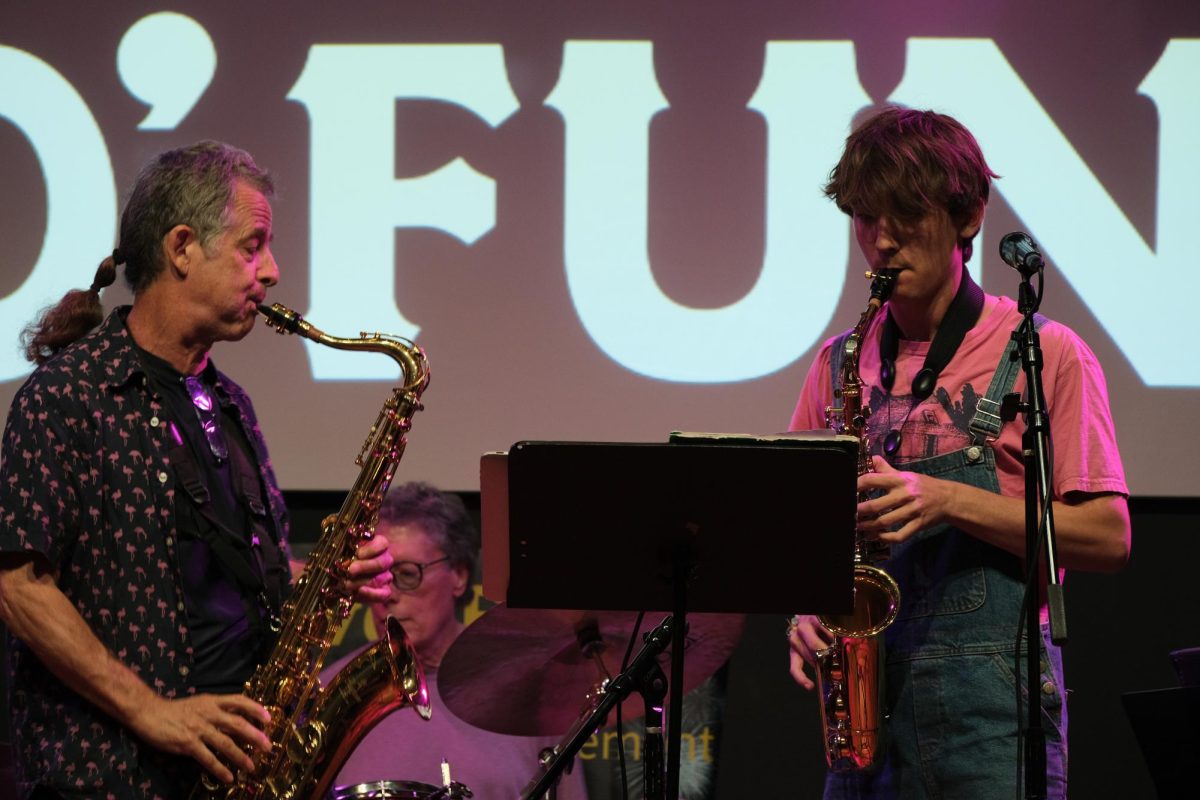
The fluid mix of harmonies, pitches and notes bounce off of the walls in the Alamo Drafthouse Cinema in Mueller. The monthly community Jazz Jam, hosted by the nonprofit organization Creative Social Engagement through the Arts, brings opportunities for citizens of all ages to come together and bond over their love of jazz.
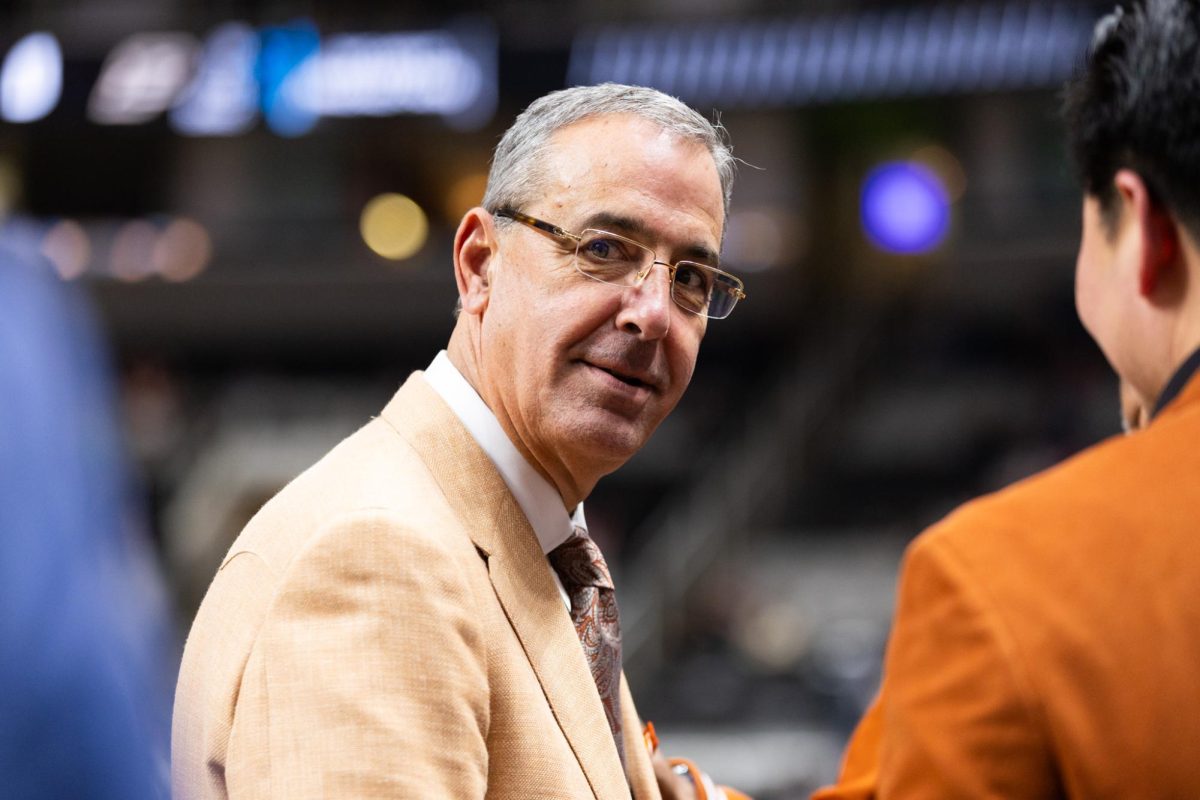
Paul Klemperer, founder and executive director of Creative SEA, individually hosted the organization as an educator and musician in 2011. Klemperer said he created Creative SEA to enhance individual life experiences and to build communities, sponsoring the Jazz Jam since 2022.
“I realized over the years that being a music performer, you tend to focus on the performance,” Klemperer said. “That perpetuates this divide between the performer and the audience, where the artists perform and the audience watches. We all enjoy and recognize the power of when the audience is engaged.”
Klemperer said he wanted to promote social engagement by involving people and create a “two-way street between performance and audience.”
“What separates it from other jazz jams is that the focus is not on the musical performance, but on the way that the music brings people together,” Klemperer said. “We encourage all ages to participate at all musical levels. It’s not about how good you are.”
Klemperer said that the Jazz Jam is inclusive to any musician, at any level, playing any style. Klemperer said that within jazz as a genre, it’s a “jazz umbrella,” that includes history and a multitude of styles that make it special.
“It’s really a privilege to participate in jazz music and jazz culture, to listen and to learn through it,” said Jacob Mink, musician and software engineer. “It offers such a cool historical lens into American music, and even non-jazz music today in the US is influenced by jazz through history.”
Mink started playing at the community Jazz Jam 15 years ago and said he learns new techniques, music styles and different musical perspectives from attending the jam and seeing different musicians perform.
“You’re constantly listening and constantly providing feedback to the other musicians while you play to form the song,” Mink said. “It’s a practice in a microcosm of a community where you’re performing the functions of a normal interpersonal community, but musically. It’s a practice in empathy, listening and learning in real time without speaking language.”
The community Jazz Jam highlights the relationship between musicians and the audience. Performing at the jam for the past seven years, musician Susanna Lee said the jams are welcoming while allowing all musicians to learn from different musicians at a multitude of levels.
“Jazz has that quality about it, where the energy is really fun, and it gets the audience involved because you get to interact with the musicians and vice versa,” Lee said. “Kind of like speaking a music language with your audience.”
Klemperer said the jam encourages anyone to dip their toes in and experiment, even if it’s only to observe.
“If you’re wanting to learn more about jazz or you’re wanting to improve your playing … just start listening,” Mink said. “Find some old jazz albums that interest you or new jazz albums that interest you. Listen, learn and then show up to the jam.”