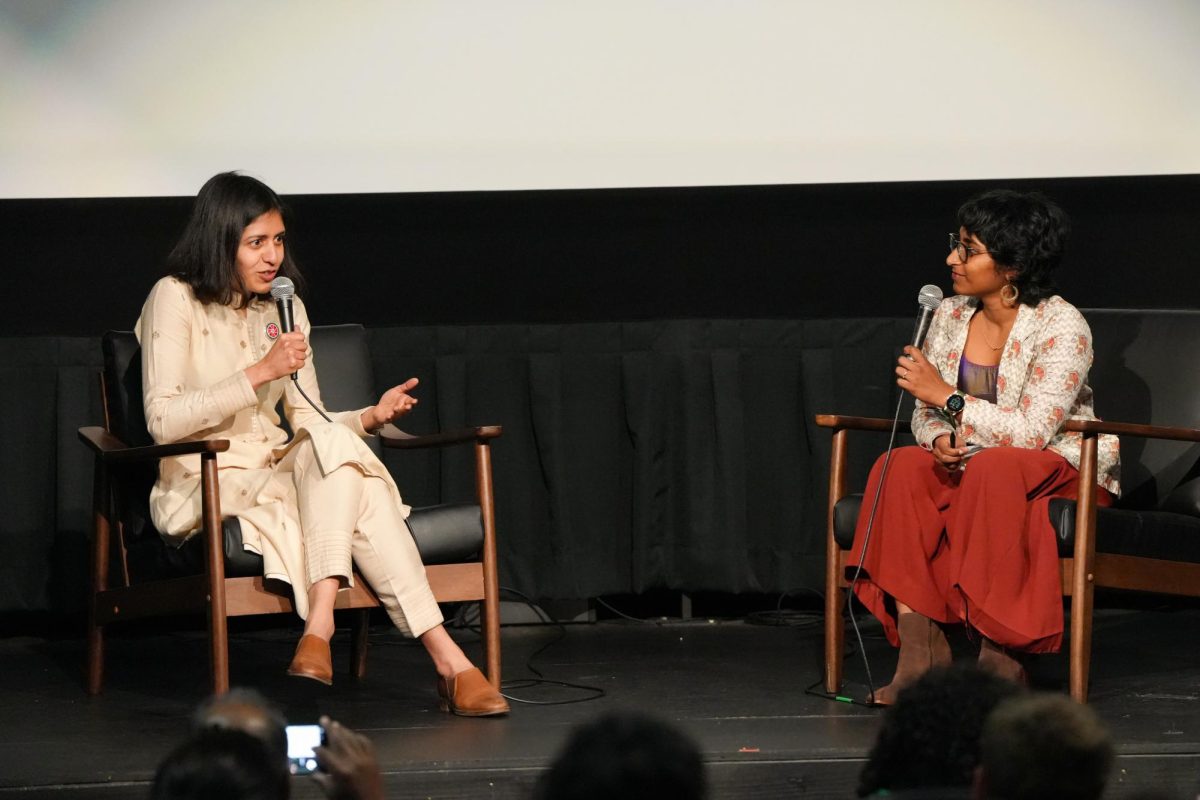
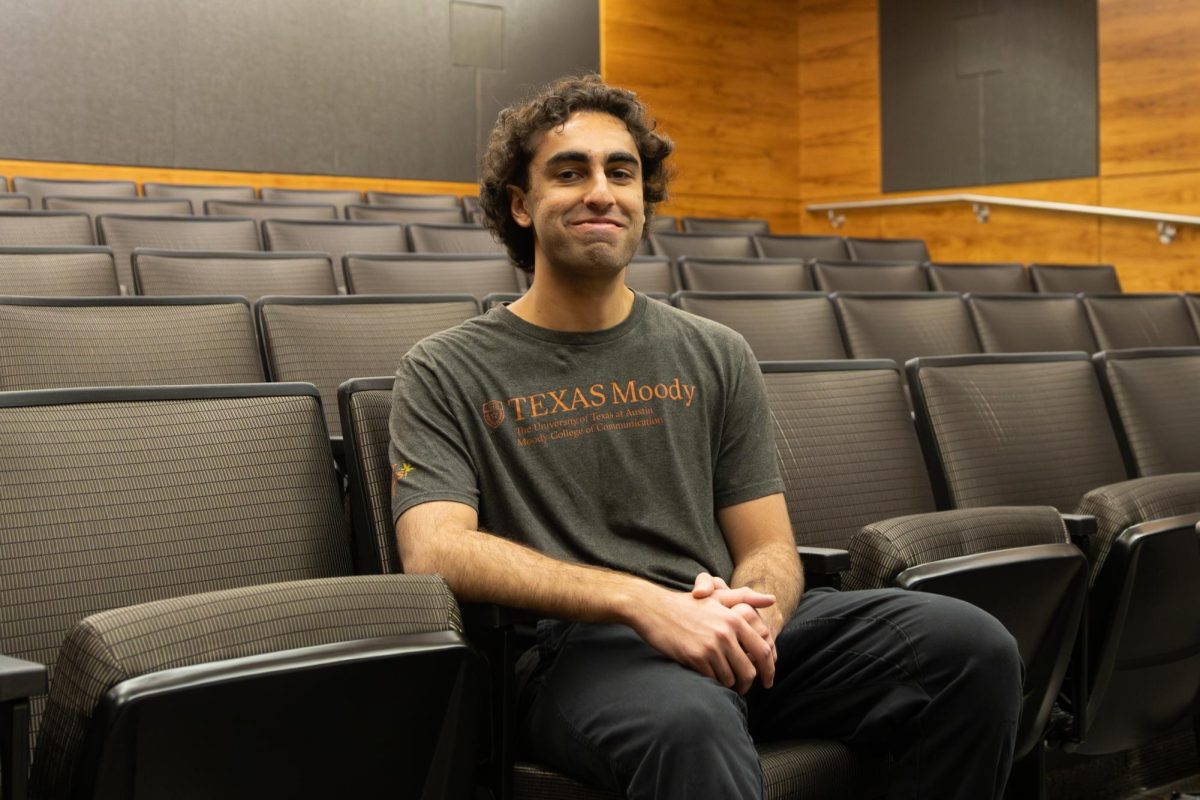
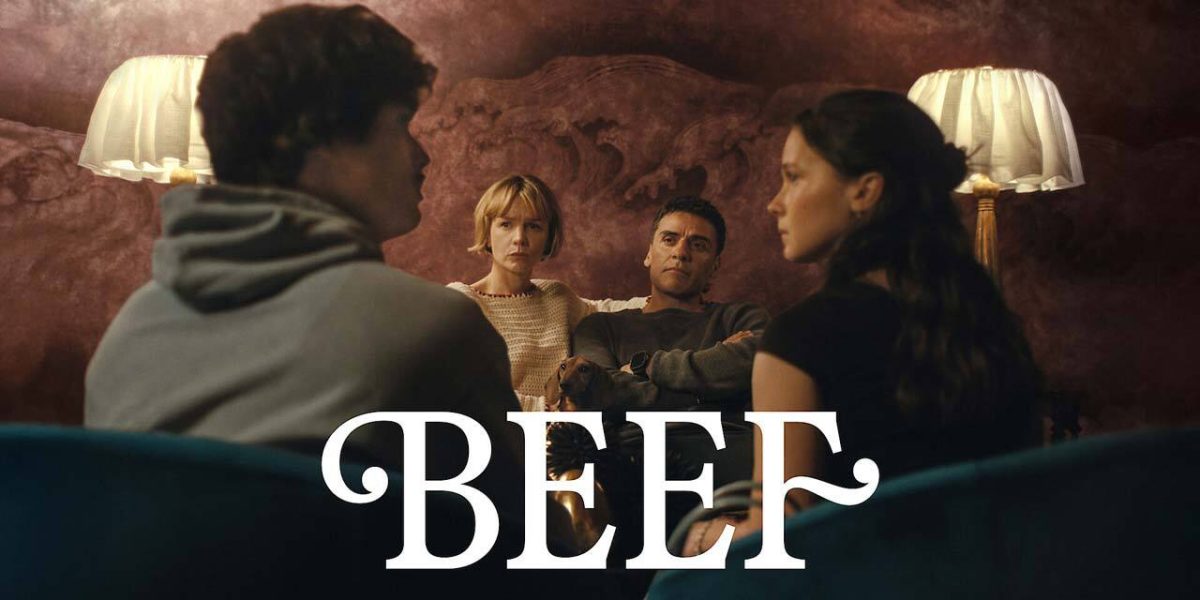
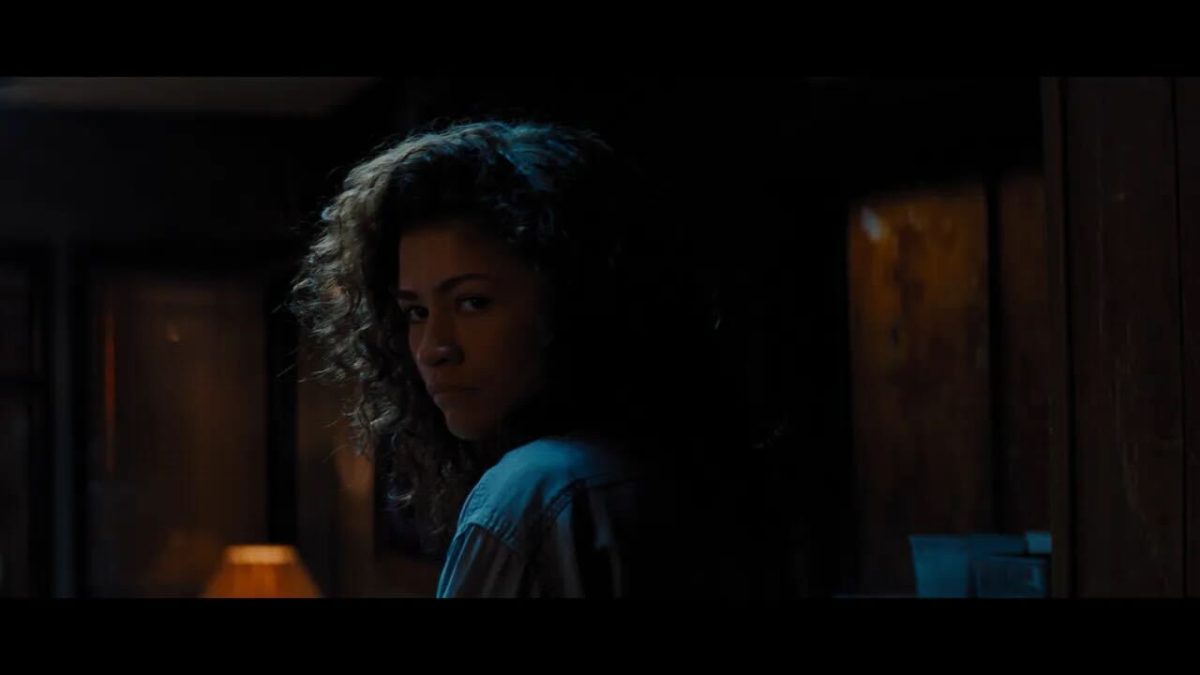
“After the Hunt” follows Alma (Julia Roberts), an ethics professor who grapples between her personal and professional worlds when her mentee (Ayo Edebiri) confesses that Alma’s colleague and friend (Andrew Garfield) sexually assaulted her. Directed by Luca Guadagnino (“Challengers”), the psychological thriller released Oct. 10. The Daily Texan sat down with the film’s writer, Nora Garrett, to discuss its making.
The Daily Texan: Power dynamics, generational shifts, academia — among these layers (the film grapples with), what was the core question you wanted to answer?
Nora Garrett: Are we capable of grace — grace for other people and grace for ourselves? Or are we destined to punish ourselves for what we perceive to be the worst thing we’ve ever done for the rest of our lives –– or the worst thing that was ever done to us?
DT: How did you develop characters with such depth and how did you think about the dynamics between them?
NG: All of these characters, to me, were operating on multiple levels. They were telling themselves a narrative about themselves that was different from, perhaps, what was the truth of what happened, and they were telling other people a different narrative. … That lends a certain amount of depth because there’s a certain amount of psychological and mental gymnastics that one has to do in order to navigate all those separate selves, consciously or unconsciously.
DT: The film didn’t necessarily hand the audience the answers. … How did you feel about letting people sit in that ambiguity?
NG: A lot of that ambiguity is born out of the collaboration with Luca. … He loves people who really love film. In many ways, he wanted to, as you said, give the audience that agency to bring themselves to the film. … The hope is that people learn something about themselves or are able to look at their own feelings in a different way.
DT: With this project under your belt, and I’m assuming others ahead, what kinds of stories do you next want to tell?
NG: Ultimately, the thing I’m most obsessed (with) is relationships. I’m always going to be really fascinated by human psychology and how human psychology manifests in our relationships with other people. … Those (kinds) of thorny dynamics are always really interesting to me. So I don’t think I’ll ever stray away from that.
I come from the school of thought that any creative peace is inextricable from the sociopolitical moment in which it was created. It’s important that some art, whether or not it’s a comedy, a rom com, whatever, has a certain bearing on what we’re feeling and what we’re all experiencing at a given time.
DT: What advice do you have for students looking to get into the film industry?
NG: For a very long time, I was trying to get in through the back door. … But ultimately, if you want to be a director, try to direct. … Having a finished product is going to teach you so much more than having something that’s half done. … When no one’s watching, that’s when you really get to go for broke and punch things out and fail spectacularly, and there’s no stakes.